
There’s something exhilarating about the fusion of cultures, and that’s exactly what you get with this Spicy Korean Gochujang Pasta. Picture a busy weeknight where you desire comfort food but crave a spark of excitement. This dish whisks you away on a culinary adventure in just 25 minutes, combining the heartiness of Italian pasta with the bold flavors of Korea.
As garlic dances in hot oil and the deep red gochujang infuses the air with its spicy allure, you’ll find your kitchen transformed into a vibrant fusion hub. It’s the perfect solution for those evenings when fast food just won’t cut it. With a base of spaghetti and colorful vegetables, this recipe invites you to personalize it with your choice of proteins, whether you prefer succulent shrimp, grilled chicken, or even crispy tofu.
Join me as we create a quick meal that’s not just a feast for the eyes but also a celebration of flavor—your taste buds will thank you!
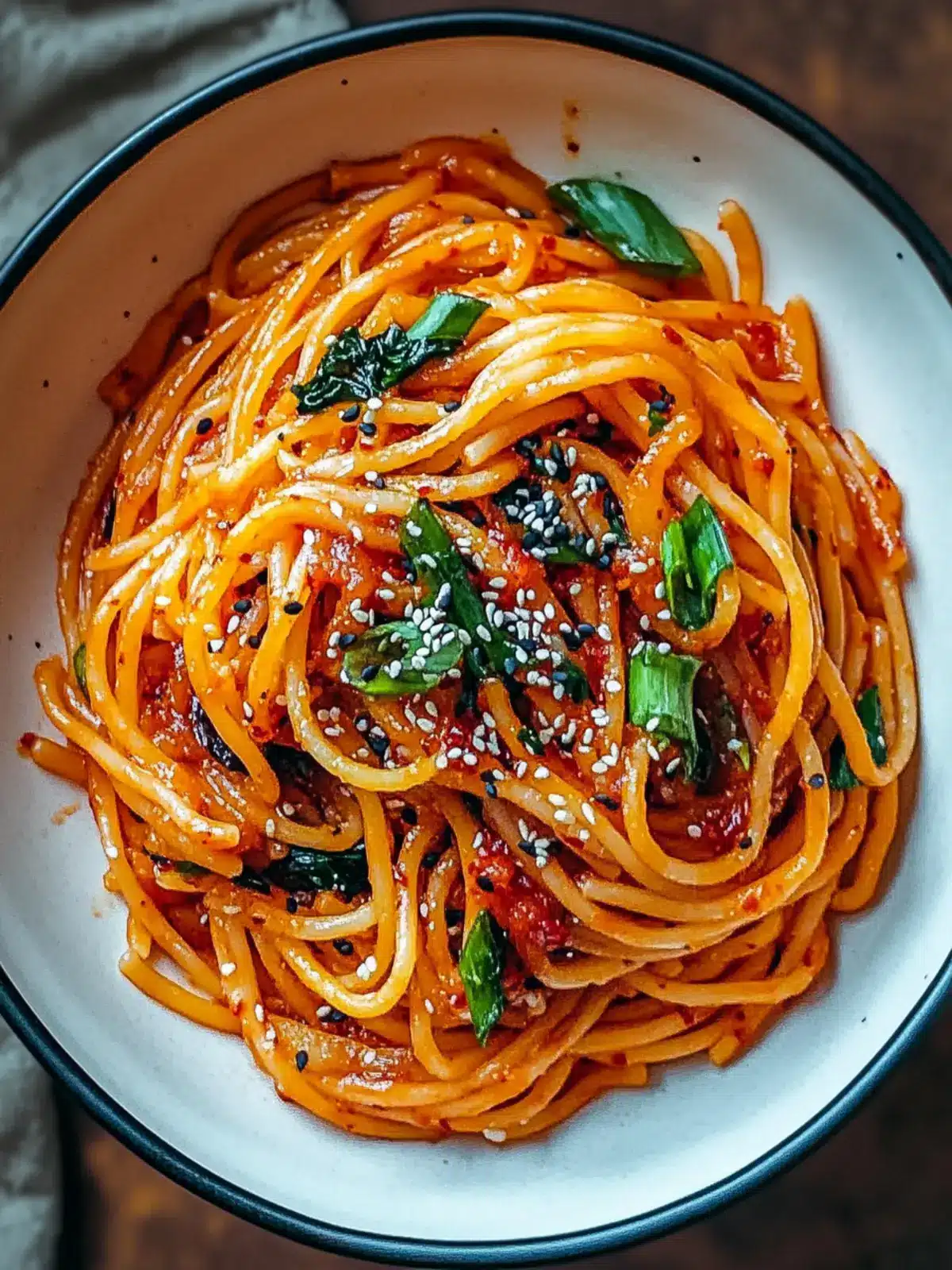
Why is Spicy Korean Gochujang Pasta a Must-Try?
Fusion at its finest: This dish effortlessly blends exciting Korean flavors with classic Italian pasta for a unique culinary experience.
Quick to prepare: Ready in just 25 minutes, it’s perfect for busy weeknights when you crave something special without the wait.
Customizable delights: Easily swap in your favorite proteins or veggies, making it adaptable for every palate—vegan or gluten-free options included!
Flavor explosion: Garlic, gochujang, and veggies come together to create a stunning, spicy sauce that coats your pasta beautifully.
Crowd-pleaser: Impress your family or guests with this eye-catching dish that showcases your creativity and love for homemade meals!
Spicy Korean Gochujang Pasta Ingredients
For the Pasta
• Spaghetti – The ideal base for this dish; feel free to swap with gluten-free pasta or linguine if needed.
For the Sauce
• Vegetable Oil – Essential for sautéing; any neutral oil will do, but sesame oil adds a nice twist.
• Garlic – Fresh garlic is a must; it provides that aromatic depth that enhances overall flavor.
• Onion – A small finely chopped onion adds a hint of sweetness and texture to the sauce.
• Gochujang – The star ingredient; adjust the amount to your spice preference for the Spicy Korean Gochujang Pasta.
• Soy Sauce – Adds depth and saltiness; opt for low-sodium if you wish to control sodium intake.
• Honey – A touch of sweetness to balance the heat; use maple syrup as a vegan alternative.
• Rice Vinegar – This brightens the sauce with acidity, making every bite pop!
For the Vegetables
• Mixed Vegetables – Try bell peppers and carrots for color and nutrition; feel free to use seasonal favorites!
• Green Onions – A sprinkle of fresh green onions brings a final burst of freshness as a garnish.
To Finish
• Sesame Seeds – These provide a delightful nutty flavor and crunch; consider toasting them for extra zest.
• Pasta Water – Reserve some before draining; it’s key for creating a creamy sauce that clings perfectly to the pasta.
• Salt and Pepper – Always essential for seasoning; adjust according to your taste preferences.
• Cilantro or Parsley – Optional, but adds a fresh touch to your final dish!
How to Make Spicy Korean Gochujang Pasta
-
Boil Water: In a large pot, bring salted water to a rolling boil. Cook the spaghetti until al dente, about 8-10 minutes. Reserve 1/2 cup of pasta water before draining.
-
Sauté Aromatics: In a skillet, heat vegetable oil over medium heat. Add minced garlic and chopped onion, sautéing until the onions become translucent, roughly 3-4 minutes.
-
Prepare Sauce: Stir in gochujang, soy sauce, honey, and rice vinegar. Let the mixture simmer for about 2 minutes until it thickens slightly, filling your kitchen with a wonderful aroma.
-
Add Vegetables: Toss in your mixed vegetables, cooking until they are tender-crisp, about 3-4 minutes. Enjoy the vibrant colors and enticing smells as the veggies soften.
-
Incorporate Pasta Water: Carefully stir in the reserved pasta water and allow it to simmer for 1 minute. This step is crucial for achieving that creamy sauce.
-
Mix Spaghetti: Gently toss the drained spaghetti into the skillet, ensuring it becomes well-coated with the rich sauce. Cook for an additional minute to meld those delightful flavors.
-
Finish it Off: Add in the green onions and sesame seeds, warming through. Taste and adjust seasoning with salt and pepper as needed, encouraging everyone to savor the harmony of flavors.
-
Garnish and Serve: Serve topped with optional cilantro or parsley for a fresh finish. Let the dish bring joy to your dining table!
Optional: Add a sprinkle of crushed red pepper flakes for extra heat!
Exact quantities are listed in the recipe card below.
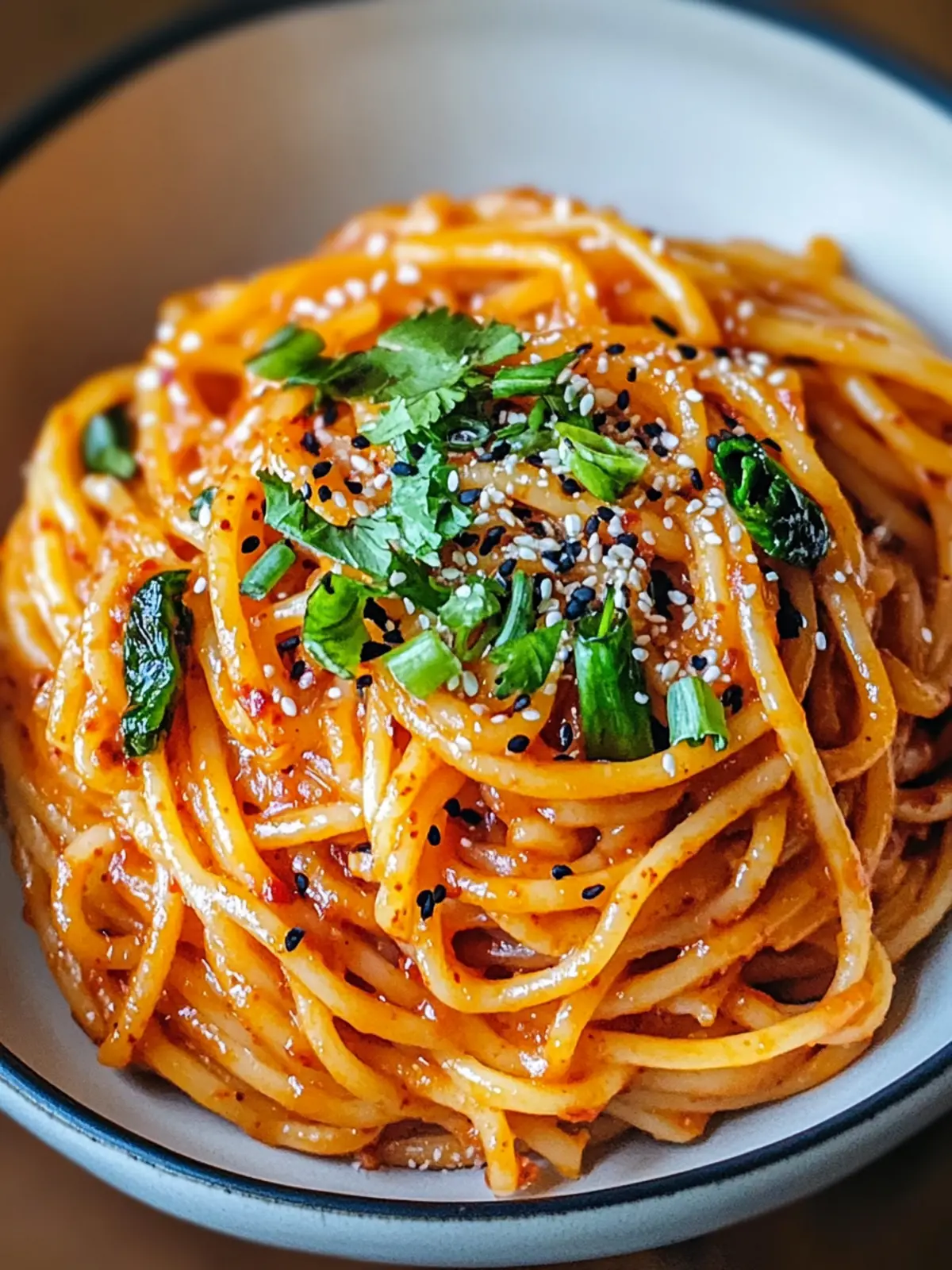
Spicy Korean Gochujang Pasta Variations
Feel free to play around with this recipe and make it your own—flavors and ingredients await your creativity!
-
Protein Options: Experiment with grilled chicken, shrimp, or crispy tofu for a hearty twist. Each protein adds its unique flavor, making your dish even more delightful.
-
Seasonal Veggies: Swap in fresh zucchini or snap peas for added crunch and a burst of seasonal flavor. Let your local market inspire your choices!
-
Creamy Touch: For an extra richness, stir in a splash of coconut milk or a scoop of cream before serving. This will elevate the dish’s comfort factor to new heights.
-
Gluten-Free: Use rice noodles or quinoa pasta for a gluten-free option. Just remember to adjust cooking times for perfect results!
-
Heat Levels: Add crushed red pepper flakes or Sriracha to amp up the spice level. Tailor the heat to match your mood, whether you’re feeling adventurous or cozy.
-
Asian Flair: Incorporate a splash of sesame oil for an additional layer of flavor. It’ll enhance that nutty aroma that pairs beautifully with gochujang.
-
Fresh Herbs: Swap cilantro for basil or mint to refresh the palate and add a surprising twist to the dish. This gives it a unique flair that’s sure to impress!
-
Vegan Sweetener: Replace honey with maple syrup or agave for a lovely vegan alternative that maintains the delicious balance of flavors.
Expert Tips for Spicy Korean Gochujang Pasta
- Watch the Garlic: Keep a close eye on garlic while sautéing; burnt garlic can turn your sauce bitter and ruin the wonderful flavors.
- Taste as You Go: Start with a smaller amount of gochujang. You can always add more spice, but it’s hard to dial it back!
- Veggie Freedom: Feel free to mix in seasonal vegetables. Experimenting with favorites like zucchini or snap peas adds new textures and flavors.
- Creamy Consistency: Reserve that pasta water! It’s essential for achieving a beautifully creamy sauce that clings perfectly to your spaghetti.
- Protein Options: Don’t feel limited; grilled chicken, shrimp, or even tofu make fantastic additions, making your Spicy Korean Gochujang Pasta heartier!
Make Ahead Options
These Spicy Korean Gochujang Pasta dishes are perfect for home cooks looking to save time during busy weeknights! You can prep the sauce (combining gochujang, soy sauce, honey, and rice vinegar) and chopped vegetables up to 24 hours in advance; simply refrigerate them in an airtight container to maintain freshness. On the day you plan to serve, just sauté the aromatics, add the prepped components, and proceed with the recipe as directed. Additionally, you can cook the spaghetti up to 3 days ahead; store it in the refrigerator with a drizzle of olive oil to prevent sticking. When it’s time to eat, simply reheat everything together, and enjoy a delicious meal with minimal effort!
How to Store and Freeze Spicy Korean Gochujang Pasta
-
Fridge: Store leftovers in an airtight container for up to 3 days. This keeps your Spicy Korean Gochujang Pasta fresh while allowing the flavors to meld further.
-
Freezer: For longer storage, freeze in a freezer-safe container for up to 1 month. To maintain texture, ensure it’s completely cooled before sealing.
-
Reheating: When ready to enjoy, reheat gently in a skillet with a splash of water over medium heat. This will help restore creaminess and prevent the pasta from drying out.
What to Serve with Spicy Korean Gochujang Pasta?
Elevate your Spicy Korean Gochujang Pasta into a delightful meal by pairing it with these complementary sides and treats.
-
Crispy Kimchi: A tangy and spicy side that cuts through the richness, kimchi adds a unique crunch and depth to your meal.
-
Garlic Breadsticks: Perfect for soaking up the flavorful sauce, these warm, buttery breadsticks provide a comforting contrast with each bite.
-
Asian Cucumber Salad: A refreshing salad with crisp cucumbers and a light dressing that brightens your palate between the bold pasta flavors.
-
Honey Soy Glazed Brussels Sprouts: The sweet and savory notes bring out the best in your gochujang pasta while adding a lovely roasted texture.
-
Sesame Broccoli: Lightly steamed with a sprinkle of sesame seeds, broccoli adds both vibrant color and a nutty crunch to your plate.
-
Cold Green Tea: A refreshing beverage to cleanse the palate, green tea offers a subtle match to the spicy flavors of your dish.
-
Mango Sorbet: To round off your meal, this light and fruity dessert provides a sweet contrast, balancing the heat of the pasta with its coolness.
-
Spicy Edamame: Tossed in chili flakes, these bite-sized snacks mirror the spice of the pasta and make excellent finger food for your guests.
-
Coconut Rice: This creamy and slightly sweet side will complement the spicy gochujang sauce, creating a delicious harmony on your plate.
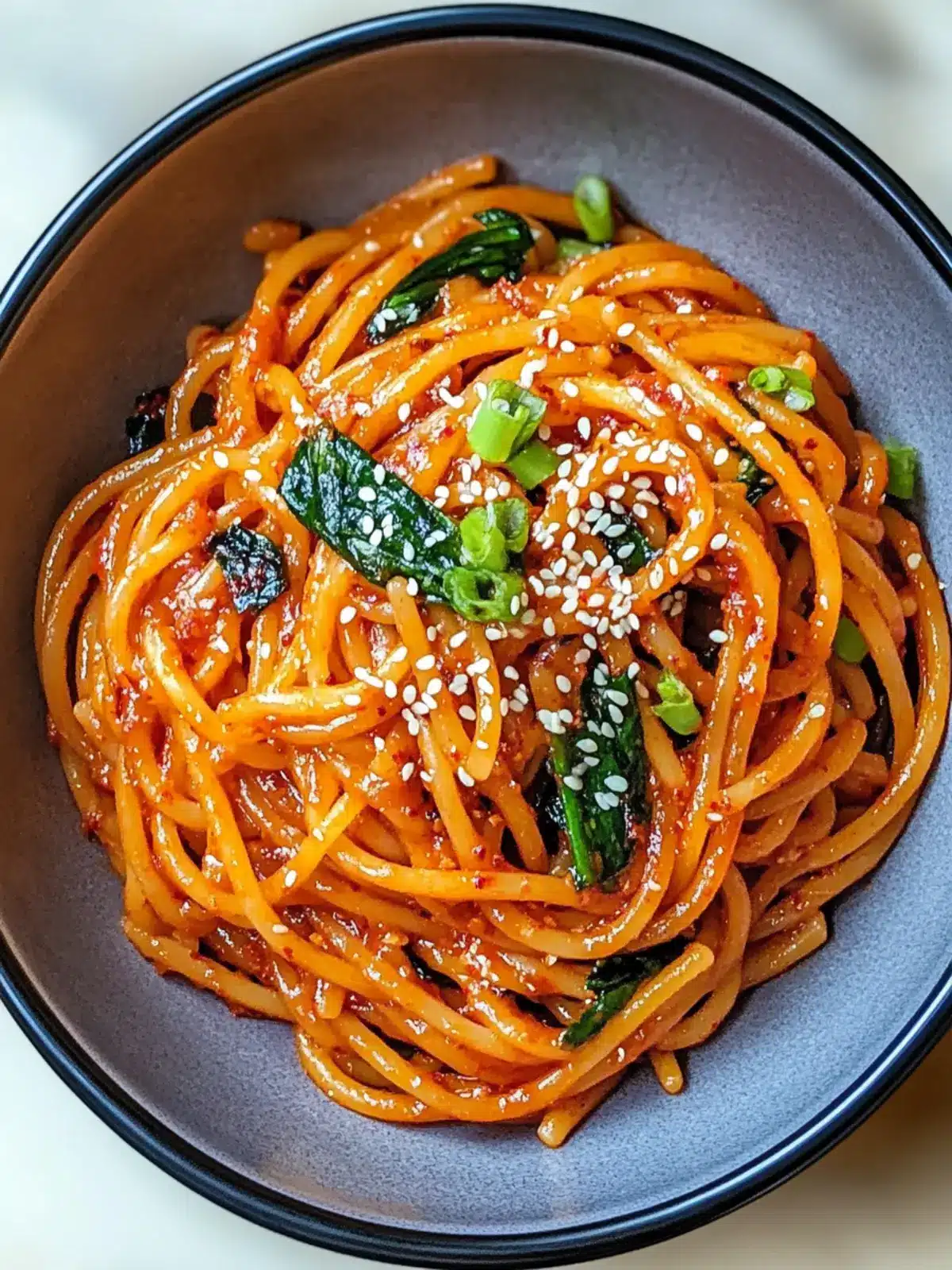
Spicy Korean Gochujang Pasta Recipe FAQs
What type of spaghetti should I use for Spicy Korean Gochujang Pasta?
Absolutely! While traditional spaghetti is perfect for this recipe, you can easily swap it out for linguine or even a gluten-free pasta. If you’re looking for something different, consider using rice noodles for an authentic twist that fits the fusion theme.
How should I store leftovers of Spicy Korean Gochujang Pasta?
For sure! You can keep any leftovers in an airtight container in the fridge for up to 3 days. This not only keeps them fresh but also allows the flavors to meld together even more. Just make sure to let it cool completely before sealing it up.
Can I freeze Spicy Korean Gochujang Pasta?
Yes, you can! Simply portion it into airtight freezer-safe containers and it will last for up to 1 month. To reheat, gently warm it in a skillet over medium heat, adding a splash of water to help restore the creamy texture. This way, you’ll still enjoy that wonderful sauce!
What should I do if my sauce is too thick?
No worries at all! If your sauce appears too thick after adding the pasta, gradually mix in additional reserved pasta water until you achieve your desired consistency. This step ensures the sauce remains creamy and coats the spaghetti beautifully—your taste buds will thank you for it!
Are there any dietary considerations I should be aware of?
Definitely! This recipe can be easily adapted for various dietary needs. For a vegan option, simply substitute honey with maple syrup, and use tofu or your favorite plant-based protein. If allergies are a concern, check the labels of your sauces, as some soy sauces may contain gluten or allergens. Always feel free to choose ingredients that suit your needs.
What types of vegetables can I use in my Spicy Korean Gochujang Pasta?
Very flexible! While bell peppers and carrots work wonderfully, consider incorporating seasonal favorites like zucchini, snap peas, or broccoli. This way, you can maximize flavor and nutrition while keeping your dish vibrant and colorful. Get creative—your culinary adventure awaits!
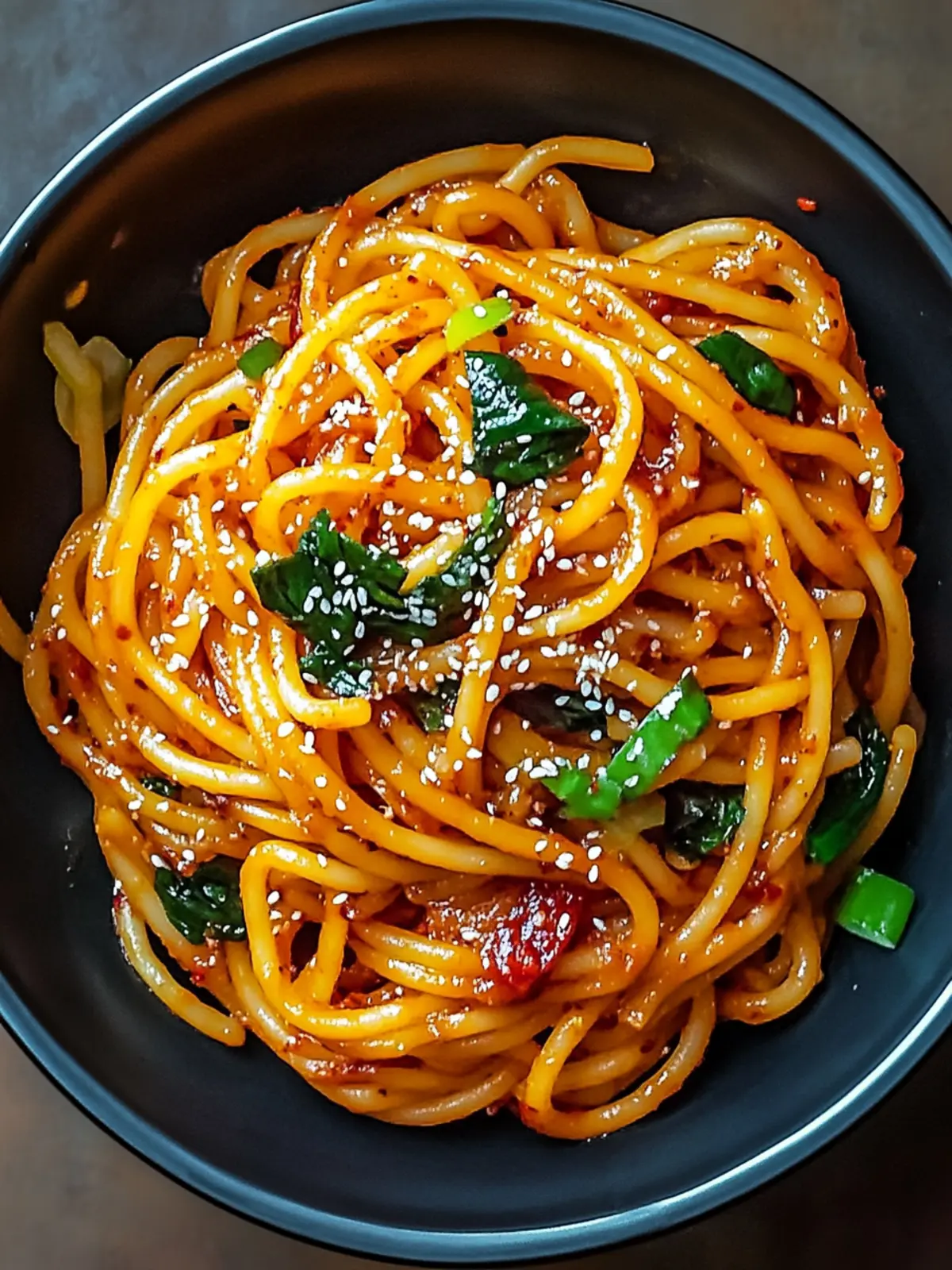
Spicy Korean Gochujang Pasta
Ingredients
Equipment
Method
- In a large pot, bring salted water to a rolling boil. Cook the spaghetti until al dente, about 8-10 minutes. Reserve 1/2 cup of pasta water before draining.
- In a skillet, heat vegetable oil over medium heat. Add minced garlic and chopped onion, sautéing until the onions become translucent, roughly 3-4 minutes.
- Stir in gochujang, soy sauce, honey, and rice vinegar. Let the mixture simmer for about 2 minutes until it thickens slightly.
- Toss in your mixed vegetables, cooking until they are tender-crisp, about 3-4 minutes.
- Carefully stir in the reserved pasta water and allow it to simmer for 1 minute.
- Gently toss the drained spaghetti into the skillet, ensuring it becomes well-coated with the rich sauce.
- Add the green onions and sesame seeds, warming through. Adjust seasoning with salt and pepper as needed.
- Serve topped with optional cilantro or parsley for a fresh finish.