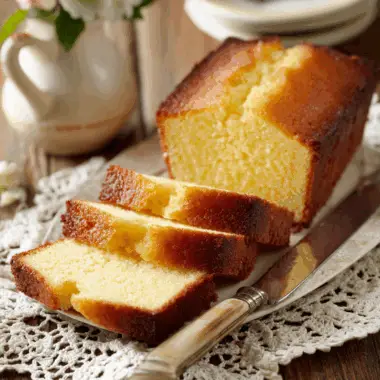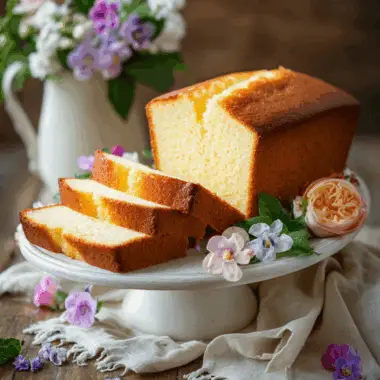

Grandma’s Lemon Pound Cake is a timeless dessert that brings a refreshing citrus twist to a rich and buttery classic. Known for its dense yet moist texture and a bright lemon glaze that adds just the right amount of tang, this cake has been passed down through generations.
FULL RECIPE
Ingredients
1.For the Cake:
- 1 cup (226g) unsalted butter, softened
- 2 cups (400g) granulated sugar
- 4 large eggs
- 1/3 cup (80ml) fresh lemon juice
- 2 tablespoons lemon zest (from 2–3 lemons)
- 3 cups (360g) all-purpose flour
- 1/2 teaspoon baking soda
- 1/2 teaspoon salt
- 1 cup (240ml) buttermilk
- 1 teaspoon pure vanilla extract
2.For the Lemon Glaze:
- 1 cup (120g) powdered sugar
- 2–3 tablespoons fresh lemon juice (adjust for desired consistency)
Directions
- Preheat oven to 325°F (163°C). Grease and flour a 10-inch bundt pan or loaf pan.
- Cream butter and sugar together in a large mixing bowl until light and fluffy (about 3–5 minutes).
- Add eggs one at a time, beating well after each addition.
- Mix in lemon juice, lemon zest, and vanilla extract until well combined.
- In a separate bowl, whisk together flour, baking soda, and salt.
- Alternate adding flour mixture and buttermilk to the butter mixture, starting and ending with flour. Mix just until incorporated—do not overmix.
- Pour batter into prepared pan and smooth the top with a spatula.
- Bake for 60–70 minutes or until a toothpick inserted in the center comes out clean.
- Cool cake in the pan for 10–15 minutes, then invert onto a wire rack and let cool completely.
- Prepare the glaze by whisking together powdered sugar and lemon juice until smooth. Drizzle over the cooled cake.
- Let the glaze set for at least 15 minutes before slicing and serving.
Nutrition Facts
- Calories: 410
- Total Fat: 19g
- Saturated Fat: 11g
- Trans Fat: 0g
- Cholesterol: 105mg
- Sodium: 190mg
- Total Carbohydrates: 58g
- Dietary Fiber: 1g
- Sugars: 35g
- Protein: 5g
- Vitamin C: 6% DV
- Calcium: 4% DV
- Iron: 6% DV
The History Behind Lemon Pound Cake
Lemon pound cake has deep roots in traditional baking, dating back to 18th-century Europe. The original pound cake earned its name from the simple formula: one pound each of flour, sugar, butter, and eggs. Over time, bakers began adding flavors to personalize this dense and buttery treat. Lemon emerged as a popular twist, offering a refreshing citrus burst that contrasted beautifully with the cake’s richness. This classic variation, often passed down through generations, has remained a staple in Southern kitchens and holiday spreads. Grandma’s Lemon Pound Cake reflects not just a recipe but a legacy of home baking and comforting flavors.
Nutritional Value and Ingredients’ Health Benefits
While lemon pound cake is undeniably indulgent, it offers modest health benefits when enjoyed in moderation. Lemons are an excellent source of vitamin C, which supports immune health and collagen production. The zest used in the batter also contains essential oils that may have antioxidant properties. Buttermilk, often included in pound cake recipes, adds richness while offering calcium and probiotics. However, the high sugar and saturated fat content means this dessert is best as an occasional treat rather than an everyday staple. Substituting part of the butter with Greek yogurt or using less sugar are possible ways to improve its nutritional profile.
Flavor Profile and Texture
The appeal of Grandma’s Lemon Pound Cake lies in its perfect balance of rich and zesty flavors. The buttery, dense crumb melts in your mouth, while the lemon zest and juice provide brightness that keeps each bite from feeling too heavy. The lemon glaze on top not only adds sweetness but also amplifies the citrus aroma. The cake’s texture is finely crumbed and moist, holding together well whether served warm or chilled. Each component—moist cake, tangy glaze, and fragrant citrus—contributes to a multi-layered tasting experience that keeps you coming back for more.
Popular Variations and Add-ins
While the classic lemon pound cake is delightful on its own, many bakers enjoy experimenting with variations. A blueberry lemon version adds fresh or frozen berries to the batter for bursts of tart-sweet flavor. A cream cheese swirl can make the cake even richer, while poppy seeds add visual appeal and a mild crunch. For a more intense citrus experience, some recipes include orange zest or a splash of limoncello. Vegan or gluten-free variations are also becoming more common, using plant-based ingredients and alternative flours to cater to different dietary needs while preserving the cake’s essence.
Perfect Occasions for Serving
Grandma’s Lemon Pound Cake is an ideal dessert for many occasions due to its crowd-pleasing nature and sturdy structure. It’s perfect for brunch tables, baby showers, springtime gatherings, and even holiday dinners. The light citrus flavor makes it a great choice during warmer months when heavy desserts feel too much. Its beautiful presentation, especially when topped with a glossy glaze or fresh fruit, makes it suitable for formal events and casual get-togethers alike. Because it travels well, it’s also a great option for potlucks, picnics, and gift baskets.
Pairing Suggestions
This cake pairs wonderfully with a variety of beverages and accompaniments. A hot cup of black tea or Earl Grey enhances the citrus notes, while a light roast coffee balances the cake’s richness. For a cooler option, try iced green tea or lemonade. On the plate, consider serving it with a dollop of whipped cream or a scoop of vanilla bean ice cream. A compote of fresh berries or a spoonful of lemon curd can elevate the flavor experience. Even a glass of prosecco or sparkling wine can make this simple cake feel like a gourmet treat.
Storage and Freshness Tips
To maintain its moist texture and bold flavor, proper storage of lemon pound cake is essential. Once fully cooled, the cake should be wrapped tightly in plastic wrap or placed in an airtight container. It can be stored at room temperature for up to three days. For longer storage, refrigeration is recommended—just be sure to bring the cake to room temperature before serving for the best flavor. It also freezes beautifully: wrap individual slices or the whole cake in plastic wrap and aluminum foil, then freeze for up to three months. Thaw overnight in the fridge or on the counter for a few hours.
Glazing Techniques and Alternatives
The signature lemon glaze is more than just decoration—it enhances both the taste and texture of the pound cake. The traditional glaze is made with powdered sugar and fresh lemon juice, drizzled while the cake is still slightly warm to ensure it seeps into the top layer. For added complexity, a touch of vanilla extract or melted butter can be incorporated into the glaze. Some bakers prefer a thicker icing that sets firmly, while others enjoy a translucent drizzle. Alternatively, a dusting of powdered sugar or a thin layer of cream cheese frosting can offer different aesthetic and flavor experiences.
Baking Tips for Success
Achieving the perfect lemon pound cake requires attention to detail. Start by ensuring that all ingredients are at room temperature, which promotes even mixing and a uniform texture. Creaming the butter and sugar thoroughly is crucial for incorporating air and achieving a light crumb. Be careful not to overmix once the flour is added, as this can lead to a tough cake. Use a toothpick to test for doneness—when it comes out clean or with a few moist crumbs, the cake is ready. Allow the cake to rest in the pan for 10–15 minutes before inverting it onto a cooling rack to prevent breakage.
Why This Recipe Stands Out
Grandma’s Lemon Pound Cake stands out because it combines nostalgic comfort with a bright, modern twist. Unlike overly sweet or dry versions of pound cake, this recipe achieves a delicate balance of moistness, richness, and citrus zing. It uses simple, accessible ingredients that come together to form something greater than the sum of its parts. Its adaptability also makes it a favorite among home bakers—it can be customized easily without sacrificing quality. Whether you’re baking for family, friends, or just for yourself, this recipe delivers a warm slice of tradition with every bite.
Conclusion
Grandma’s Lemon Pound Cake is more than just a dessert—it’s a symbol of warmth, tradition, and the joy of home baking. Its citrusy brightness elevates a familiar classic into something extraordinary, making it a beloved choice for every kind of gathering. From its delightful texture to its refreshing glaze, each component is crafted to please the senses and evoke memories of homemade goodness. Whether enjoyed plain, dressed up with toppings, or reimagined with creative twists, this pound cake continues to charm generations. Bake it once, and you’ll understand why it holds such a cherished place in so many kitchens.