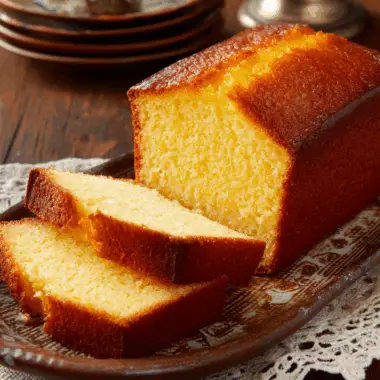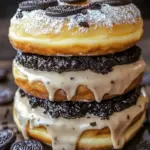

This Classic Grandma’s Pound Cake is a timeless favorite, known for its rich, buttery flavor and dense, moist texture. Passed down through generations, this recipe is simple yet indulgent, using traditional ingredients that highlight the charm of old-fashioned baking. Perfect for family gatherings, afternoon coffee, or as a base for fruits and whipped cream, this cake brings warmth and nostalgia with every bite.
FULL RECIPE
Ingredients
- 1 cup (2 sticks) unsalted butter, softened
- 2 cups granulated sugar
- 4 large eggs, room temperature
- 3 cups all-purpose flour, sifted
- 1/2 teaspoon baking powder
- 1/2 teaspoon salt
- 1 cup whole milk, room temperature
- 2 teaspoons pure vanilla extract
Directions
- Preheat the oven to 325°F (165°C). Grease and flour a 10-inch bundt or tube pan thoroughly.
- Cream the butter and sugar in a large bowl using a stand or hand mixer until light and fluffy, about 4–5 minutes.
- Add the eggs one at a time, beating well after each addition to ensure a smooth mixture.
- In a separate bowl, whisk together the sifted flour, baking powder, and salt.
- Add the dry ingredients to the wet mixture alternately with the milk, beginning and ending with the flour mixture. Beat on low speed until just combined—do not overmix.
- Stir in the vanilla extract until fully incorporated.
- Pour the batter into the prepared pan and smooth the top with a spatula.
- Bake for 60–70 minutes, or until a toothpick inserted into the center comes out clean.
- Cool the cake in the pan for 15 minutes, then carefully turn it out onto a wire rack to cool completely.
- Slice and serve plain, or top with fresh berries, whipped cream, or a light glaze if desired.
Nutrition Facts
- Calories: 430
- Total Fat: 20g
- Saturated Fat: 12g
- Trans Fat: 0g
- Cholesterol: 110mg
- Sodium: 160mg
- Total Carbohydrates: 58g
- Dietary Fiber: 1g
- Sugars: 33g
- Protein: 6g
- Vitamin D: 8% DV
- Calcium: 6% DV
- Iron: 10% DV
- Potassium: 2% DV
History and Legacy of Pound Cake
The origins of pound cake date back to 18th-century Europe, where it was named for its simple formula: one pound each of butter, sugar, eggs, and flour. This ratio not only made it easy to remember but also ensured a dense, rich texture that has stood the test of time. Over the centuries, the recipe has evolved, but the essence remains. Grandma’s version is a cherished tradition in many families, often handwritten and passed down as a culinary heirloom. It speaks of comfort, hospitality, and the love poured into every slice during Sunday dinners or holiday gatherings.
Texture and Flavor Profile
What sets a classic grandma’s pound cake apart is its unmistakably dense yet tender crumb. It is moist, thanks to the generous amount of butter and whole eggs, and develops a golden, slightly crisp crust during baking. The flavor is simple but luxurious—creamy butteriness complemented by the subtle sweetness and vanilla essence. When properly baked, each bite delivers a satisfying mouthfeel and a rich finish that lingers, making it just as delightful plain as it is topped with whipped cream or fruit.
Health Considerations and Nutritional Insights
Though decadent, pound cake can be enjoyed as part of a balanced diet when eaten in moderation. It is high in calories and saturated fat, largely due to the butter and sugar content, making portion control essential. On the upside, it offers a small amount of protein and important nutrients from the eggs and milk, such as vitamin D and calcium. For those with dietary concerns, alternative versions using low-fat dairy, natural sweeteners, or gluten-free flour are available, though the texture may differ slightly from the traditional version.
Ingredient Quality and Selection Tips
Because pound cake relies on so few ingredients, the quality of each one greatly impacts the final result. Using high-fat, unsalted butter ensures a richer flavor and proper creaming with sugar. Fresh, room-temperature eggs help achieve a stable batter and consistent rise. Whole milk adds moisture and a slight creaminess, while pure vanilla extract offers superior flavor compared to artificial alternatives. Opt for unbleached all-purpose flour for a more natural taste and texture. Investing in quality ingredients truly elevates this humble cake into something exceptional.
Popular Variations
There are countless ways to personalize a pound cake while keeping its core structure intact. Lemon pound cake, for instance, includes fresh lemon juice and zest for a bright, tangy flavor. Sour cream or cream cheese can be added for extra moisture and a slight tang. Marble pound cake introduces chocolate swirls, while almond or orange extract provides a unique twist on the classic. Some variations incorporate fresh fruit or nuts directly into the batter, offering texture and bursts of flavor throughout the loaf or bundt.
Serving Suggestions and Presentation Ideas
Pound cake is incredibly versatile when it comes to serving. It can be enjoyed warm or chilled, on its own or dressed up. A simple dusting of powdered sugar adds elegance without overwhelming the flavor. For a fancier touch, serve slices with fresh berries, a scoop of vanilla ice cream, or a drizzle of fruit compote. Toasted pound cake served with coffee or tea makes for a delightful breakfast treat. Individual slices can also be cut into cubes and layered with whipped cream and fruit in a trifle for a visually stunning dessert.
Pairing with Beverages
This buttery cake pairs beautifully with a variety of drinks. Classic black coffee or a latte enhances the cake’s richness, while black tea or chai brings out its comforting flavors. For a citrus or berry variation, herbal teas like hibiscus or mint make a refreshing match. For a more indulgent experience, pair it with a glass of dessert wine, such as Moscato or a sweet Riesling. Aged bourbon or brandy also works well, particularly if the pound cake includes nutty or caramel notes from added ingredients.
Storage and Shelf Life
Proper storage ensures your pound cake remains moist and flavorful for days. After cooling completely, wrap the cake tightly in plastic wrap or aluminum foil to prevent it from drying out. It can be stored at room temperature for up to 3 days, or refrigerated for up to a week. For longer storage, wrap it in a layer of foil and then plastic, and freeze for up to 3 months. Thaw at room temperature before serving. Slices can also be reheated briefly in the oven or microwave to restore a just-baked texture.
Using Pound Cake in Other Desserts
Leftover pound cake can be repurposed into other delightful desserts. One popular method is layering it with custard, fruit, and whipped cream in a traditional trifle. It can also be cubed and toasted to make dessert croutons for fruit salads or yogurt parfaits. Some use it as a base for bread pudding, absorbing custard beautifully without losing its structure. Grilled pound cake—lightly buttered and toasted on a grill or skillet—is another creative way to enhance its caramelized flavor, especially when topped with ice cream.
Troubleshooting Common Issues
Even simple recipes like pound cake can encounter issues without proper technique. One common mistake is overmixing, which can make the cake dense and dry. Using cold ingredients can also hinder proper emulsification, leading to a coarse texture. If the cake falls or has a gummy center, it may be underbaked—always test with a toothpick. Cracks on top are normal due to the cake’s dense structure, but if they’re too deep, your oven temperature may be too high. Measuring ingredients accurately and creaming butter and sugar thoroughly are key to success.
Conclusion
Grandma’s pound cake is more than just a dessert—it’s a legacy of love, simplicity, and timeless flavor. Its rich texture and buttery essence make it a favorite for any occasion, from casual snacks to elegant desserts. With just a handful of quality ingredients and a bit of care, anyone can recreate this old-fashioned classic in their kitchen. Whether enjoyed plain or dressed up with toppings, it’s a comforting reminder of home and tradition—one slice at a time.