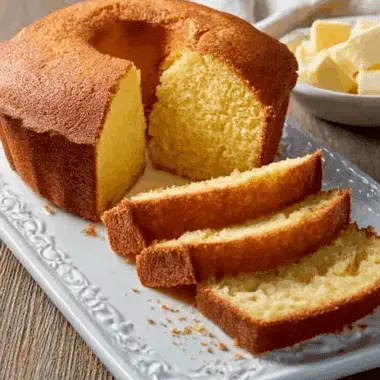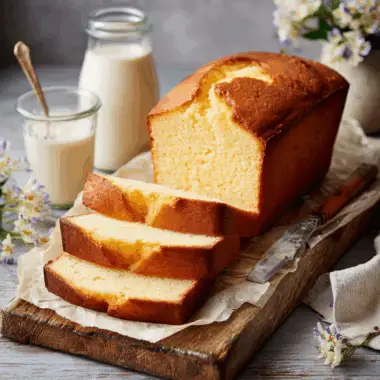

This easy homemade pound cake comes straight from Grandma’s cherished recipe box—a timeless treat that has delighted generations. With its rich, buttery flavor and dense, moist texture, this cake is perfect for any occasion, whether it’s a family gathering, afternoon tea, or just a sweet indulgence at home.
FULL RECIPE
Ingredients
- 1 cup (226g) unsalted butter, softened
- 2 cups (400g) granulated sugar
- 4 large eggs, room temperature
- 3 cups (360g) all-purpose flour
- 1/2 teaspoon baking powder
- 1/2 teaspoon salt
- 1 cup (240ml) whole milk
- 2 teaspoons vanilla extract
Directions
- Preheat your oven to 325°F (163°C). Grease and flour a 10-inch bundt or tube pan, or line with parchment paper.
- In a large mixing bowl, cream the softened butter and sugar together until light and fluffy—about 4 to 5 minutes.
- Add the eggs one at a time, beating well after each addition to ensure full incorporation.
- In a separate bowl, sift together the flour, baking powder, and salt.
- Gradually add the dry ingredients to the creamed mixture, alternating with the milk. Begin and end with the dry ingredients.
- Stir in the vanilla extract and mix until smooth, but avoid overbeating.
- Pour the batter into the prepared pan and smooth the top with a spatula.
- Bake for 70–80 minutes, or until a toothpick inserted into the center comes out clean.
- Allow the cake to cool in the pan for 15–20 minutes before turning it out onto a wire rack to cool completely.
- Serve as-is or dust with powdered sugar. Optionally, top with whipped cream, berries, or a light glaze.
Nutrition Facts
- Calories: 410
- Total Fat: 20g
- Saturated Fat: 12g
- Trans Fat: 0g
- Cholesterol: 120mg
- Sodium: 170mg
- Total Carbohydrates: 53g
- Dietary Fiber: 1g
- Sugars: 30g
- Protein: 5g
- Calcium: 40mg
- Iron: 1.6mg
The History Behind Grandma’s Pound Cake
Pound cake dates back to the 1700s, originally named for its formula: one pound each of butter, sugar, eggs, and flour. Over the years, this simple formula evolved with regional adaptations, but the essence of richness and density remained. Grandma’s pound cake recipe carries this legacy forward with subtle tweaks—like the addition of vanilla extract and milk—to enhance the texture and flavor. This traditional dessert is a nostalgic reminder of home-baked comfort and has been a staple at countless family gatherings, holidays, and church potlucks.
Texture and Taste Profile
The hallmark of a good pound cake is its dense yet tender crumb, and this recipe delivers exactly that. The cake’s texture is rich without being heavy, thanks to the creaming method that incorporates air into the butter and sugar. The flavor is buttery and subtly sweet, with a hint of vanilla that elevates it from plain to deeply satisfying. Unlike lighter sponge cakes, pound cake has a satisfying weight and moistness that makes each bite feel indulgent, even without any toppings.
Nutritional Value and Portion Awareness
While pound cake isn’t typically classified as a health food, understanding its nutritional content can help with mindful indulgence. A single slice packs around 400 calories, with significant amounts of saturated fat from the butter and sugar. However, it also provides a modest dose of protein and calcium. For those monitoring their intake, smaller portion sizes or pairing with fresh fruit can help balance the richness while still enjoying its comforting flavors.
Serving Suggestions and Presentation Ideas
Pound cake is versatile in how it can be served, making it suitable for a range of occasions. It can be sliced thick for a rustic dessert or cut into cubes and served with whipped cream and berries for a more elegant presentation. Some like to toast it lightly and serve it with a dollop of mascarpone or crème fraîche. For brunch spreads, it pairs well with coffee or tea, while for desserts, it can be layered with ice cream or used in trifles.
Tasty Variations to Try
While the classic version is timeless, there are endless ways to add variety to pound cake. Lemon zest or juice can be added for a citrusy punch, while almond extract offers a nutty undertone. Chocolate chips, blueberries, or swirls of jam can provide visual appeal and added flavor. Some bakers enjoy marbling the batter with cocoa or matcha for a stunning interior. Spices like cinnamon or nutmeg can turn it into a cozy autumn treat. These variations allow you to personalize the cake without straying from its traditional roots.
Pairing Pound Cake with Beverages
This cake pairs wonderfully with a wide range of drinks. A hot cup of black coffee or English breakfast tea balances the sweetness and richness. For something more indulgent, try pairing it with hot cocoa, chai, or even a glass of dessert wine like Moscato. In summer months, iced tea or cold brew coffee provides a refreshing contrast. When served with fruit, a citrus spritzer or fruit-infused water complements the flavors nicely, especially if the cake includes added fruits or zests.
Storage Tips to Maintain Freshness
Proper storage is essential to keep pound cake moist and flavorful. Once cooled completely, it should be wrapped tightly in plastic wrap or stored in an airtight container to prevent it from drying out. At room temperature, it will stay fresh for about 3–4 days. For longer storage, it can be refrigerated for up to a week or frozen for up to three months. If freezing, wrap individual slices separately for convenient thawing and quick snacks or desserts.
Ideal Occasions for Serving Pound Cake
Pound cake’s classic appeal makes it suitable for nearly every occasion. It’s an ideal option for potlucks, picnics, and bake sales because it transports well and doesn’t require refrigeration. For holiday celebrations, it can be dressed up with glazes, berries, or edible flowers to fit the theme. It also serves as a comforting dessert for casual family dinners. Whether you’re hosting a brunch, celebrating a birthday, or simply craving something sweet, pound cake never feels out of place.
Make-Ahead and Batch Cooking Advice
One of the great benefits of pound cake is its ability to be made ahead. Since the flavor actually deepens after a day or two, baking it in advance can improve its taste. If preparing for a party or large gathering, consider making multiple loaves and freezing some for future use. For bakers who enjoy gifting homemade goods, a mini-loaf version wrapped in parchment and twine makes a charming, heartfelt present. These cakes also reheat well in a toaster oven for a quick, warm treat.
Common Mistakes and How to Avoid Them
Though it’s a relatively simple recipe, there are a few key pitfalls to avoid. Overmixing the batter can lead to a dense, tough cake instead of a tender crumb. Skimping on the creaming time can also result in poor rise. Using cold ingredients, especially butter and eggs, may prevent proper emulsification, leading to an uneven texture. Another common mistake is underbaking—always test with a toothpick to ensure the cake is fully done. Paying attention to these details can make the difference between an average cake and a perfect one.
Conclusion
Grandma’s pound cake is more than just a dessert—it’s a culinary heirloom, embodying warmth, tradition, and the joy of home baking. Whether enjoyed plain with coffee or dressed up with berries and cream, its rich flavor and satisfying texture never go out of style. With its versatility, ease of preparation, and comforting appeal, pound cake remains a treasured recipe that connects past and present, making it a timeless favorite worth sharing with every generation.