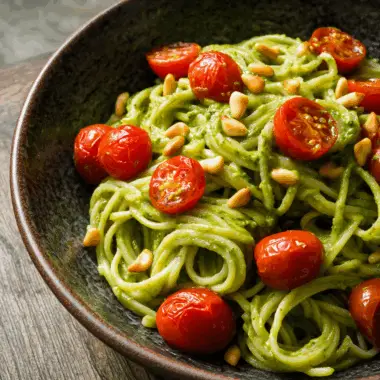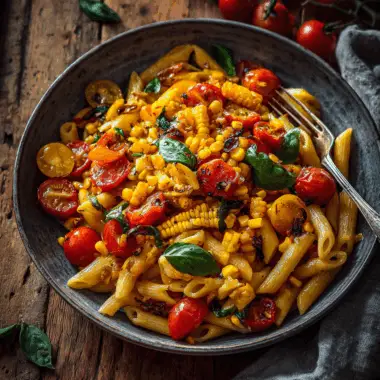

Shrimp Zucchini Pasta is a vibrant and healthy low-carb alternative to traditional pasta dishes. By using zucchini noodles (zoodles) in place of pasta, you cut back on carbs without sacrificing taste. This dish is light yet satisfying, with a garlicky lemon-butter sauce that enhances the natural sweetness of shrimp. It’s perfect for a weeknight dinner or a quick, impressive meal for guests. Ready in under 30 minutes, it delivers both flavor and nutrition in one skillet.
FULL RECIPE
Ingredients
- 1 pound (450g) medium shrimp, peeled and deveined
- 4 medium zucchinis, spiralized
- 2 tablespoons olive oil
- 3 tablespoons unsalted butter
- 4 garlic cloves, minced
- 1/4 teaspoon red pepper flakes (optional)
- 1 lemon, zested and juiced
- Salt and black pepper, to taste
- 1/4 cup grated Parmesan cheese (optional)
- 2 tablespoons chopped fresh parsley
Directions
- Prepare the zucchini noodles: Spiralize the zucchinis and set them aside on paper towels to absorb excess moisture. Lightly salt them and let sit for 10 minutes. Pat dry before cooking.
- Cook the shrimp: Heat olive oil in a large skillet over medium-high heat. Season shrimp with salt and pepper. Add them to the pan and cook for 2–3 minutes per side, or until pink and opaque. Remove shrimp from the pan and set aside.
- Make the garlic lemon butter sauce: In the same skillet, reduce heat to medium and add butter. Once melted, stir in garlic and red pepper flakes (if using). Cook for about 30 seconds, just until fragrant.
- Add lemon: Stir in lemon juice and zest, scraping any bits from the bottom of the pan.
- Sauté the zucchini noodles: Add zoodles to the pan and toss gently to coat with the sauce. Cook for 2–3 minutes until just tender but not mushy.
- Combine and finish: Return shrimp to the skillet and toss with the zoodles. Season with additional salt and pepper to taste.
- Serve: Top with grated Parmesan and chopped parsley. Serve warm.
Nutrition Facts
Serves 4
- Calories: 280
- Total Fat: 16g
- Saturated Fat: 6g
- Cholesterol: 185mg
- Sodium: 540mg
- Total Carbohydrates: 7g
- Dietary Fiber: 2g
- Sugars: 4g
- Protein: 26g
- Vitamin A: 15% DV
- Vitamin C: 35% DV
- Calcium: 15% DV
- Iron: 10% DV
Low-Carb Benefits of Zucchini Pasta
Zucchini pasta, often called “zoodles,” is a fantastic alternative for those looking to reduce their carbohydrate intake. Unlike traditional pasta, which is high in refined carbs and calories, zucchini noodles are naturally low in carbs and virtually fat-free. This makes them ideal for low-carb diets like keto, paleo, or diabetic-friendly eating plans. Zucchini also has a high water content, helping to keep you hydrated and full without overloading on calories. In dishes like shrimp zucchini pasta, the zoodles deliver a pasta-like experience without the blood sugar spikes associated with wheat-based noodles.
Nutritional Advantages of Shrimp
Shrimp is a lean source of high-quality protein, making it an excellent addition to any healthy meal. It’s rich in essential nutrients like selenium, iodine, and vitamin B12, all of which contribute to a well-functioning metabolism and immune system. Despite being low in calories, shrimp provides a significant amount of omega-3 fatty acids and antioxidants like astaxanthin, which support heart and brain health. In the context of shrimp zucchini pasta, it elevates the protein content without adding unnecessary fat or carbs, making the dish both nourishing and satiating.
Flavor Profile and Culinary Appeal
One of the standout features of shrimp zucchini pasta is its vibrant, fresh flavor profile. The natural sweetness of the shrimp complements the mild, slightly earthy taste of zucchini, while garlic and lemon juice add brightness and depth. A touch of red pepper flakes introduces heat, and the butter-garlic base gives the dish a rich, savory quality. This combination of textures and flavors creates a dynamic culinary experience that feels indulgent while still being light and clean. The result is a meal that pleases the palate without being overly heavy.
Ideal Cooking Techniques for Zucchini Noodles
Cooking zucchini noodles requires careful attention to avoid a soggy result. The best approach is a quick sauté over medium heat, just until they soften slightly. Overcooking can cause them to release too much moisture, turning the dish watery. Salting the zucchini ahead of time and letting it sit on paper towels helps extract excess water, improving both texture and flavor. These small but effective techniques ensure that the zoodles remain firm and spaghetti-like, offering a satisfying bite that holds up well against the shrimp and sauce.
Popular Variations of the Recipe
This dish is endlessly customizable based on dietary needs and personal preferences. For example, you can add cherry tomatoes for a burst of sweetness or include baby spinach for added greens. For a dairy-free version, skip the Parmesan and use nutritional yeast for a similar umami taste. You might also replace shrimp with grilled chicken or tofu for a different protein option. Spice lovers can increase the red pepper flakes or add a drizzle of chili oil. These variations allow you to tailor the recipe while preserving its health-forward foundation.
Best Side Dishes and Pairings
Shrimp zucchini pasta pairs well with a variety of low-carb side dishes. A simple arugula salad with lemon vinaigrette can enhance the meal’s freshness, while roasted vegetables like asparagus or bell peppers add more depth. If you want something heartier, consider a bowl of cauliflower rice or a side of garlic-roasted mushrooms. For drinks, a crisp white wine like Sauvignon Blanc or a sparkling water with lemon complements the dish’s light, citrusy profile. The key is to keep sides simple and refreshing to let the main dish shine.
How to Store and Reheat Leftovers
Although zucchini noodles are best served fresh, you can store leftovers in an airtight container in the refrigerator for up to two days. To avoid a mushy texture when reheating, it’s best to warm the dish gently in a skillet over medium-low heat, allowing excess moisture to evaporate. Avoid using a microwave, as it can make the zucchini overly soft and watery. For meal prep, keep the shrimp and zucchini separate until just before serving to maintain optimal texture and flavor.
Portion Control and Calorie Awareness
One of the key advantages of this recipe is its built-in portion control due to the low caloric density of its ingredients. Zucchini is filling but light, while shrimp provides protein without excess fat. A single serving typically falls under 300 calories, which makes it perfect for those monitoring their caloric intake. You can even scale up the vegetables without significantly changing the calorie count, making it a great option for high-volume eaters who still want to maintain or lose weight.
Gluten-Free and Allergen-Friendly Considerations
Shrimp zucchini pasta is naturally gluten-free, making it an excellent choice for those with celiac disease or gluten sensitivity. It’s also nut-free and can easily be made dairy-free by omitting the Parmesan cheese or replacing it with a vegan alternative. For shellfish allergies, simply substitute the shrimp with another protein like chicken, turkey, or even tempeh. These flexible ingredient options allow the dish to fit into a variety of dietary restrictions without compromising on taste.
Tips for Making It a Meal Prep Favorite
Because this recipe comes together so quickly, it’s ideal for meal prep or busy weeknights. Prepare the shrimp in advance and store it separately, then spiralize and store the zucchini in a sealed container lined with paper towels to keep it dry. The sauce can also be made ahead of time and stored in a small jar. When ready to eat, simply heat the sauce and shrimp, toss in the zoodles, and dinner is served in under 10 minutes. With a few smart storage strategies, this dish becomes a reliable, fast, and healthy go-to meal.
Conclusion
Shrimp zucchini pasta is more than just a low-carb alternative—it’s a flavorful, nutrient-rich meal that fits seamlessly into a wide range of lifestyles. From its lean protein to its hydrating vegetable base, every bite supports both health and enjoyment. Its adaptability makes it suitable for various dietary needs, and its quick prep time ensures it can be part of your regular meal rotation. Whether you’re following a specific diet or simply want to eat clean without sacrificing flavor, this dish delivers on all fronts.