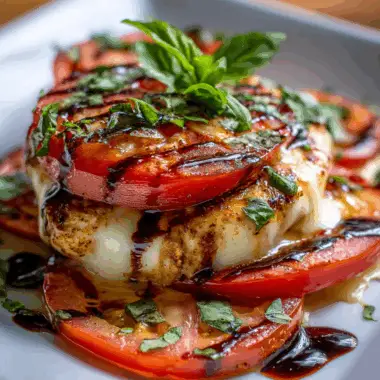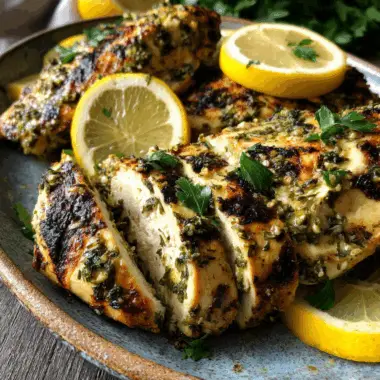
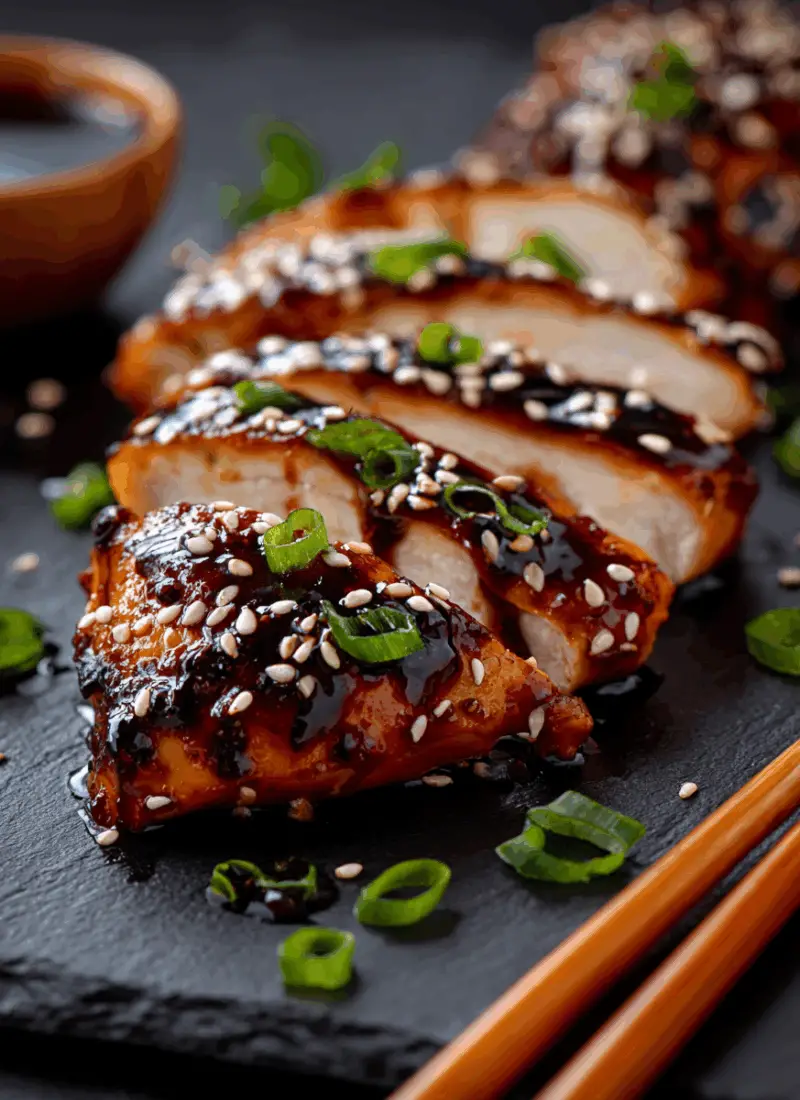
This Homemade Teriyaki Chicken Breast recipe brings a savory-sweet Japanese favorite to your dinner table in under 30 minutes. Made with juicy, pan-seared chicken breasts and a quick, homemade teriyaki sauce, it’s perfect for busy weeknights. Serve it with steamed rice and veggies for a complete and satisfying meal.
FULL RECIPE
Ingredients
- 2 boneless, skinless chicken breasts
- 1 tablespoon vegetable oil
- Salt and pepper, to taste
1.For the Teriyaki Sauce
- 1/4 cup low-sodium soy sauce
- 2 tablespoons honey
- 2 tablespoons brown sugar
- 2 tablespoons rice vinegar
- 1 tablespoon sesame oil
- 1 tablespoon cornstarch
- 1/4 cup water
- 1 garlic clove, minced
- 1 teaspoon grated fresh ginger
2.Optional Garnish
- Sliced green onions
- Sesame seeds
Directions
- Prepare the chicken: Pat chicken breasts dry and season both sides with salt and pepper.
- Sear the chicken: Heat vegetable oil in a large skillet over medium-high heat. Add chicken and cook 6–7 minutes per side, or until golden brown and fully cooked (internal temp: 165°F or 74°C). Remove and set aside.
- Make the sauce: In a bowl, whisk together soy sauce, honey, brown sugar, rice vinegar, sesame oil, cornstarch, water, garlic, and ginger.
- Thicken the sauce: Pour the mixture into the same skillet. Bring to a simmer, stirring constantly, until thickened (about 2–3 minutes).
- Combine: Slice the cooked chicken and return it to the skillet. Toss to coat in the teriyaki sauce.
- Serve: Plate with rice or steamed vegetables. Garnish with green onions and sesame seeds, if desired.
Nutrition Facts
Per Serving (1/2 of recipe)
- Calories: 310
- Protein: 33g
- Fat: 10g
- Carbohydrates: 21g
- Sugar: 17g
- Fiber: 0g
- Sodium: 750mg
Health Benefits of Chicken Breast
Chicken breast is a lean source of high-quality protein, making it an excellent choice for those who are health-conscious or looking to build muscle. It’s naturally low in fat, especially when skinless, and contains essential vitamins like B6 and niacin that support metabolism and cardiovascular health. Because it’s high in protein and low in calories, it also promotes satiety, helping with weight management. Paired with the homemade teriyaki sauce, which can be adjusted for lower sodium and sugar, this dish becomes a well-balanced meal when served with vegetables and whole grains.
Homemade Teriyaki Sauce vs. Store-Bought
One of the biggest advantages of this recipe is making the teriyaki sauce from scratch. Store-bought versions often contain high fructose corn syrup, preservatives, and excessive sodium. By creating your own sauce, you have control over the sweetness, salt content, and ingredient quality. This homemade version uses honey and brown sugar as natural sweeteners and balances the flavor with rice vinegar and soy sauce. Additionally, you can adjust the ginger and garlic to suit your taste, making it a healthier and more customizable option.
Best Cooking Methods for Chicken Breast
Pan-searing chicken breast, as done in this recipe, gives the meat a delicious golden crust while locking in moisture. However, other cooking methods can also be applied based on your preference or kitchen setup. Grilling is a fantastic alternative that adds smoky flavor and requires little to no oil. Baking is a hands-off option that can be healthier if you’re watching fat intake, especially when the chicken is baked with the teriyaki sauce poured over it. Sous-vide is another method that ensures the chicken remains juicy and tender, though it requires special equipment.
Meal Prep and Make-Ahead Tips
This recipe is perfect for meal prep. You can cook the chicken and prepare the teriyaki sauce in advance, storing them separately or together in airtight containers in the refrigerator for up to four days. The sauce also freezes well for up to two months, allowing you to batch-make and use it when needed. For the best texture, store the cooked chicken slices separately and reheat them in a skillet with the sauce to maintain juiciness and prevent drying out in the microwave.
Variations and Add-Ons
Homemade teriyaki chicken breast is versatile and easily customizable. You can swap chicken breast for boneless thighs for a juicier and more flavorful result, though this will slightly increase the fat content. To make it vegetarian, substitute chicken with tofu or tempeh and use the same sauce. For a spicy twist, add sriracha or red pepper flakes to the teriyaki sauce. You can also incorporate stir-fried vegetables like bell peppers, snap peas, or broccoli to make it a one-pan meal.
Ideal Side Dishes and Pairings
This dish pairs beautifully with simple sides that absorb the flavorful sauce. Steamed jasmine or brown rice is a classic choice, but cauliflower rice can be used for a low-carb option. Stir-fried or steamed vegetables such as bok choy, carrots, and green beans complement the dish and add nutritional value. For a heartier meal, try serving it with a side of Japanese-style potato salad or miso soup. Light, crisp salads with sesame dressing or a cucumber vinegar salad are also refreshing pairings.
Portion Control and Serving Suggestions
A typical serving consists of about 4–5 ounces of cooked chicken breast with a few tablespoons of teriyaki sauce. To make it a balanced meal, include a serving of whole grains and at least one cup of vegetables. Presenting the chicken sliced over rice with sauce drizzled on top creates an appetizing presentation. For bento boxes or packed lunches, cut the chicken into strips and pair with rice balls, edamame, or a small fruit salad. The key is to balance flavor, nutrition, and portion size.
Cultural Significance of Teriyaki
Teriyaki is a Japanese cooking technique that involves grilling or broiling food with a glaze made of soy sauce, mirin, and sugar. While the method originated in Japan, the version commonly seen in Western cuisine has evolved to include thicker sauces and added ingredients like garlic, ginger, and cornstarch. This American-style teriyaki is often used as both a marinade and a sauce and is widely loved for its sweet and savory profile. Incorporating this flavor into chicken breast makes the dish more approachable and suitable for family meals.
Storage and Reheating Advice
Proper storage ensures food safety and preserves flavor. Once cooled, store the teriyaki chicken in an airtight container in the refrigerator for up to four days. If storing with rice or vegetables, make sure all components are cooled before sealing to avoid moisture buildup. For freezing, store chicken and sauce in a freezer-safe container for up to two months. To reheat, thaw overnight in the refrigerator and warm in a skillet over low heat or microwave with a splash of water to keep the sauce from thickening too much or burning.
Adapting the Recipe for Dietary Needs
This recipe can be adapted to suit various dietary preferences and restrictions. For a gluten-free version, use tamari or coconut aminos instead of soy sauce. To reduce sugar intake, decrease the amount of honey and brown sugar or substitute with a low-calorie sweetener like monk fruit. The dish can be made keto-friendly by pairing it with low-carb vegetables and omitting or replacing the sweeteners. If sodium is a concern, opt for low-sodium soy sauce and limit added salt when seasoning the chicken.
Conclusion
Homemade Teriyaki Chicken Breast is not just a quick and flavorful dinner option—it’s a meal that offers flexibility, nutritional balance, and cultural flair. From its protein-rich base to the customizable homemade sauce, this dish caters to a variety of diets and taste preferences. It also works wonderfully for meal prep, making it ideal for busy individuals and families alike. Whether you’re cooking for a weeknight dinner or preparing a healthy lunch, this recipe is sure to deliver satisfaction with every bite.