
There’s something truly mesmerizing about the art of sushi-making, especially when it begins with the perfect foundation: sushi rice. Picture this: the gentle steam rising from the pot, the subtle scent of vinegar mingling with the warm grains, and the satisfaction of creating something extraordinary right in your own kitchen. I discovered this scrumptious recipe during a cozy weekend in, determined to elevate our sushi nights beyond takeout.
With just a few simple steps and easily sourced ingredients, you can create fluffy, tender rice that not only holds its shape but also enhances the flavors of your favorite sushi rolls. Whether you’re hosting a sushi night with friends or simply craving a comforting bowl, this sushi rice recipe will impress everyone at your table. Get ready to elevate your homemade sushi game and enjoy the delightful taste of authentic Japanese cuisine!

Why is Sushi Rice a Must-Try?
Perfectly fluffy: This recipe guarantees rice that’s not only tender but also holds together beautifully for sushi rolls.
Easy to follow: The straightforward steps ensure that even beginners can master the art of sushi-making without any fuss.
Versatile use: Not limited to sushi rolls, this rice is perfect for bowls or as a side, enhancing your meals with its delightful flavor and texture.
Authentic taste: Create restaurant-quality sushi rice that captures the essence of traditional Japanese cuisine right at home.
Crowd-pleaser: Impress family and friends with your sushi night skills, making it a hit at gatherings or casual dinners.
Sushi Rice Ingredients
• Get ready to create the perfect sushi rice for your homemade rolls!
For the Sushi Rice
- Sushi Rice – This short-grain rice is key for creating that signature stickiness and fluffy texture essential for sushi.
- Unseasoned Rice Vinegar – It adds the necessary flavor and tang that elevates your sushi rice, making it a must-have ingredient.
- Granulated Sugar – A touch of sweetness balances the acidity of the vinegar, enhancing the overall taste of your sushi rice.
- Kosher Salt – This seasoning ensures your rice has just the right amount of flavor without being too overpowering.
How to Make Sushi Rice
- Soak Rice: Rinse 1 cup of sushi rice in a medium bowl with water for 15 minutes. This helps remove excess starch and ensures your rice cooks evenly and achieves that perfect fluffy texture.
- Cook Rice: Drain the soaked rice and add 1 1/4 cups of water to your rice cooker or pot. Bring to a boil, then reduce heat, cover, and let it simmer for 15 minutes until all the water is absorbed and the rice is tender.
- Steam Rice: After cooking, remove the pot from heat. Place a paper towel over the pot and cover with the lid to let the rice steam for an additional 10 minutes. This step is crucial for achieving that light and airy finish.
- Prepare Seasoning: In a small bowl, mix 2 tablespoons of rice vinegar, 1 tablespoon of sugar, and 1 teaspoon of salt. Microwave the mixture for 30 seconds, then stir until everything is fully dissolved.
- Combine: Spread the cooked rice onto a metal baking sheet. Drizzle with the vinegar mixture and gently fold it in using a rubber spatula, being careful not to smash the grains.
- Serve or Store: Enjoy your sushi rice right away, or cover it with a damp towel to keep it warm. If making ahead, refrigerate the rice in an airtight container for up to 3 days. Rehydrate by adding a splash of water before reheating.
Optional: Garnish with sesame seeds or sliced scallions for an extra touch of flavor.
Exact quantities are listed in the recipe card below.
Make Ahead Options
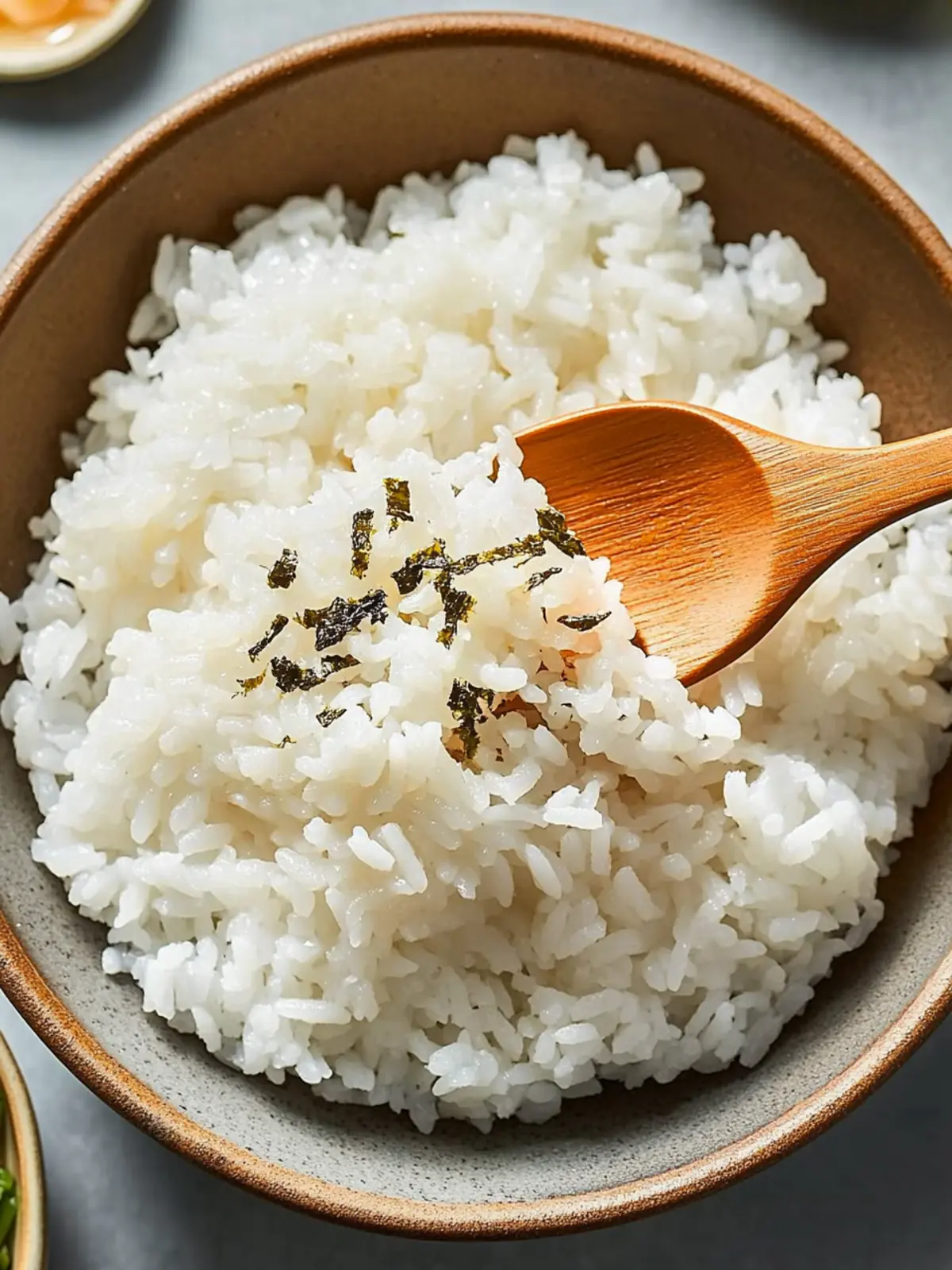
These sushi rice preparations are perfect for busy weeknights or meal planning enthusiasts! You can rinse and soak 1 cup of sushi rice up to 24 hours in advance, which helps streamline the cooking process. Once cooked, the sushi rice can be stored in an airtight container in the refrigerator for up to 3 days. To maintain its quality, cover the rice with a damp cloth while it cools, preventing dryness. When ready to serve, simply rehydrate with a splash of water and microwave until warm. This way, you’ll have fluffy sushi rice ready to elevate your next homemade sushi night with minimal effort!
Expert Tips for Sushi Rice
- Soak Thoroughly: Soak the sushi rice for at least 15 minutes before cooking. This removes excess starch, preventing gummy rice and ensuring it cooks evenly.
- Gentle Mixing: Use a rubber spatula to gently fold in the vinegar mixture. This keeps the rice grains intact without mashing them, achieving the perfect fluffy texture.
- Proper Covering: After steaming, always cover the rice with a damp cloth to retain moisture and prevent it from drying out. Don’t leave it uncovered for too long.
- Vinegar Temperature: Heat the vinegar mixture just until the sugar and salt dissolve. This helps the seasoning integrate better into the rice without cooking it further.
- Test for Fluffiness: When combining the ingredients, the rice should feel light and sticky without clumping. This is the hallmark of excellent sushi rice.
How to Store and Freeze Sushi Rice
Fridge: Transfer any leftover sushi rice to an airtight container and refrigerate for up to 3 days. This helps maintain its texture while keeping it fresh.
Freezer: For longer storage, freeze the sushi rice in a freezer-safe bag or container for up to 3 months. Spread it out flat for quicker thawing.
Reheating: When ready to use, microwave the rice with a splash of water, covering it to steam and revive its fluffy texture.
Room Temperature: Avoid leaving sushi rice out at room temperature for more than 2 hours to prevent spoilage.
Sushi Rice Variations
Feel free to get creative and personalize your sushi rice dish with these delightful twists!
- Seasoned Vinegar: Swap unseasoned rice vinegar for seasoned rice vinegar to enhance flavor instantly. Your sushi rice will carry exciting notes of umami!
- Brown Rice: For a healthier option, replace sushi rice with short-grain brown rice. It may take longer to cook, but the nutty flavor adds a lovely depth to your rolls.
- Coconut Sugar: Substitute granulated sugar with coconut sugar for a subtle caramel flavor. This gives a unique twist, keeping your sushi rice deliciously sweet yet refined.
- Apple Cider Vinegar: Experiment with apple cider vinegar instead of rice vinegar for a fruity, tangy profile. It pairs beautifully with fresh seafood, making every bite a culinary delight.
- Add Mirin: Incorporate a tablespoon of mirin into the vinegar mixture for an irresistible sweetness and depth. It’ll take your sushi rice to new heights!
- Sesame Oil: Drizzle a little toasted sesame oil into the rice before serving for a nutty aroma and flavor boost. This adds an unexpected yet delightful twist to your sushi creations.
- Spice It Up: For a fiery kick, mix in a hint of sriracha or wasabi paste into the vinegar mixture. This will awaken your senses and bring a fun heat to your sushi rice experience!
- Herb Infusion: Fold in finely chopped fresh herbs like chives or cilantro for freshness. This vibrant touch will not only look beautiful but will also add a burst of flavor to your rolls!
What to Serve with Sushi Rice?
Unlock a symphony of flavors by pairing your perfectly fluffy sushi rice with dishes that complement its tender texture and subtle sweetness.
- Fresh Sashimi: The delicate taste of sashimi highlights the sushi rice, enhancing its flavor profile without overpowering it.
- Seaweed Salad: This crunchy, tangy side adds a refreshing contrast to the soft rice, bringing a taste of Japan to your meal.
- Miso Soup: Warm and savory, miso soup warms the palate and provides a comforting backdrop for sushi rice, enhancing the overall dining experience.
- Grilled Teriyaki Chicken: Sweet and savory, this succulent dish pairs beautifully with the rice, balancing the meal with its rich flavor.
- Pickled Vegetables: Known as tsukemono, these tangy bites cut through the rice’s sweetness, adding a burst of flavor to your sushi spread.
- Tempura Vegetables: Light and crispy, tempura complements the soft texture of sushi rice while adding a delightful crunch to each bite.
- Green Tea: A soothing beverage, green tea is an ideal drink to cleanse the palate between bites, enhancing the flavors of your meal.
- Mango Sticky Rice: For dessert, this sweet delight uses a similar rice technique, creating a lovely transition from savory to sweet.
Feel free to mix and match these ideas based on your cravings and make your sushi rice experience truly unforgettable!
Sushi Rice Recipe FAQs
How do I choose the right sushi rice?
Absolutely! Look for short-grain sushi rice, often labeled “sushi rice” or “Japanese rice.” It has a higher starch content, which helps achieve that essential stickiness. When selecting, check the packaging for any signs of damage, and opt for a brand you trust. I personally enjoy using Koshihikari rice for its perfect texture!
How should I store leftover sushi rice?
Very! To store leftover sushi rice, transfer it to an airtight container and refrigerate. It’ll stay fresh for up to 3 days. If you notice that it’s drying out, drizzle a little water over it before reheating. Just be sure to cover the container to maintain moisture and flavor!
Can I freeze sushi rice, and how?
Definitely! Sushi rice can be frozen for up to 3 months. Just let it cool completely, then portion it into freezer-safe bags. Lay the bags flat in the freezer for quicker thawing. When you’re ready to use it, simply microwave with a splash of water until warmed through.
What should I do if my sushi rice comes out too sticky?
If your sushi rice is overly sticky, it could be due to not rinsing enough before cooking. In the future, rinse the rice until the water runs clear to remove excess starch. Also, ensure a proper soaking time of at least 15 minutes. If it still feels gummy, just fluff it gently with a fork after cooking to separate the grains.
Is sushi rice safe for pets or those with allergies?
Great question! Sushi rice itself is generally safe for pets in small amounts, but be cautious of any added ingredients. As for allergies, always check for reactions to rice and vinegars. Gluten-free diets can usually include sushi rice, but consult with a healthcare provider to be sure.
What if I don’t have unseasoned rice vinegar?
No worries! If you’re out of unseasoned rice vinegar, a mix of apple cider vinegar and a pinch of sugar can work as an alternative, although it may change the flavor slightly. Just keep the sugar and salt amounts consistent for balance!
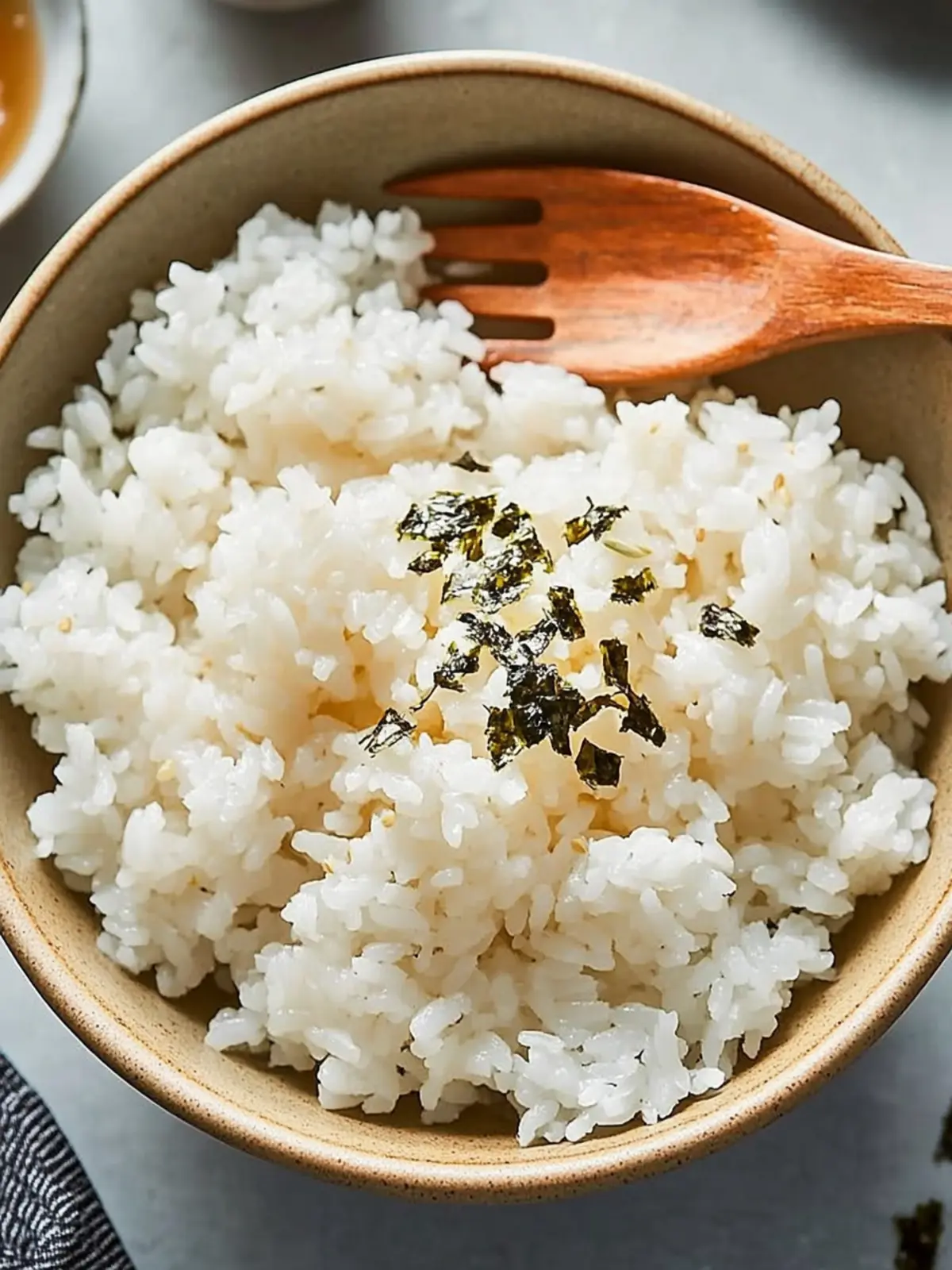
Fluffy Sushi Rice Recipe for Perfect Homemade Rolls
Ingredients
Equipment
Method
- Rinse 1 cup of sushi rice in a medium bowl with water for 15 minutes.
- Drain the soaked rice and add 1 1/4 cups of water to your rice cooker or pot. Bring to a boil, then reduce heat, cover, and let it simmer for 15 minutes.
- After cooking, remove the pot from heat. Place a paper towel over the pot and cover with the lid for an additional 10 minutes.
- In a small bowl, mix 2 tablespoons of rice vinegar, 1 tablespoon of sugar, and 1 teaspoon of salt. Microwave for 30 seconds, then stir until dissolved.
- Spread the cooked rice onto a metal baking sheet. Drizzle with the vinegar mixture and gently fold it in using a rubber spatula.
- Enjoy your sushi rice right away, or cover it with a damp towel to keep it warm.