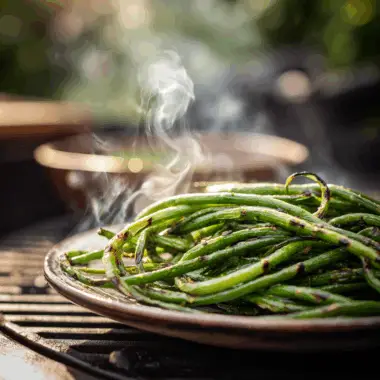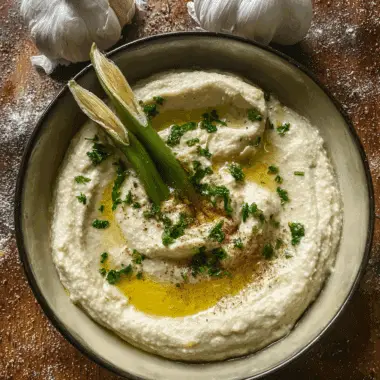

Pickled garlic scapes are a seasonal treat that offer a delightfully tangy, garlicky crunch. These curly, green stalks—harvested from hardneck garlic plants—are abundant in early summer and perfect for preserving. Pickling enhances their natural flavor, adding a vinegar bite that pairs beautifully with cheese boards, sandwiches, or even chopped into salads.
FULL RECIPE
Ingredients
- 1 pound garlic scapes, trimmed and cut into 4-inch pieces
- 1 cup white vinegar
- 1 cup water
- 1 tablespoon pickling salt or kosher salt
- 1 tablespoon sugar
- 1 teaspoon black peppercorns
- 1 teaspoon mustard seeds
- 1/2 teaspoon red pepper flakes (optional, for heat)
- 2 bay leaves
- 2 cloves garlic, peeled and sliced
- Fresh dill sprigs (optional)
Directions
- Prepare the Jars: Sterilize two pint-sized jars by boiling them for 10 minutes or running them through a hot dishwasher cycle. Allow to air dry.
- Trim the Scapes: Rinse the garlic scapes under cold water. Cut into 4-inch lengths to fit into jars.
- Pack the Jars: Divide the garlic scapes evenly between the two jars, tucking them in vertically. Add a sliced garlic clove, 1 bay leaf, and a few dill sprigs to each jar.
- Make the Brine: In a small saucepan, combine vinegar, water, salt, sugar, peppercorns, mustard seeds, and red pepper flakes. Bring to a boil, stirring until salt and sugar dissolve completely.
- Pour the Brine: Carefully pour the hot brine over the garlic scapes in each jar, covering them completely while leaving about 1/2 inch of headspace.
- Seal and Cool: Wipe the rims with a clean cloth and seal with lids. Let jars cool to room temperature.
- Refrigerate: Once cooled, refrigerate the jars. Let them sit for at least 3 days to allow flavors to develop. For best taste, wait 1–2 weeks.
- Enjoy: Use within 2 months. Always store in the refrigerator and keep submerged in brine.
Nutrition Facts
Serving Size: 1 ounce (28g)
- Calories: 5
- Total Fat: 0g
- Saturated Fat: 0g
- Trans Fat: 0g
- Cholesterol: 0mg
- Sodium: 180mg
- Total Carbohydrates: 1g
- Dietary Fiber: 0g
- Sugars: 0g
- Protein: 0g
- Vitamin A: 0%
- Vitamin C: 2%
- Calcium: 1%
- Iron: 0%
Flavor Profile and Texture
Pickled garlic scapes are known for their complex taste and satisfying crunch. The brine infuses the scapes with tart vinegar notes, balanced by mild garlic flavor and subtle sweetness. Whole peppercorns, mustard seeds, and red pepper flakes add layers of warmth and spice, while fresh dill or bay leaves introduce herbal undertones. The texture is similar to that of pickled green beans—crisp and snappy—which adds contrast when paired with soft or creamy foods. This balance of texture and flavor is what makes them such a standout addition to many dishes.
Serving Ideas and Pairings
Pickled garlic scapes can elevate a wide range of dishes. They’re excellent when chopped into salads for an acidic crunch or layered onto sandwiches and burgers for a bold twist. Pair them with charcuterie boards, where their tang balances rich cheeses and cured meats. They also complement grilled meats, particularly pork and chicken, by cutting through the fat with a bright, vinegary bite. Finely chopped pickled scapes can be stirred into egg or potato salad, used as a topping for avocado toast, or even added to pasta dishes for a zesty punch.
Creative Variations and Flavor Infusions
One of the joys of pickling is the ability to customize flavors. While the base recipe for pickled garlic scapes includes vinegar, sugar, and spices, adventurous cooks can experiment with other aromatics and ingredients. Adding sliced ginger or lemongrass introduces an Asian flair, while turmeric lends a golden hue and earthy depth. For a smoky undertone, try smoked paprika or chipotle flakes. You can also switch up the vinegar—use apple cider vinegar for a fruitier finish or rice vinegar for a milder taste. These simple adjustments can dramatically change the final flavor profile.
Storage and Shelf Life
Pickled garlic scapes made with the refrigerator method should always be kept cold and sealed in a sterilized jar. They’re best enjoyed within two months, though the flavor tends to deepen over time. Make sure the scapes remain fully submerged in brine to prevent spoilage. If using a canning method for longer storage, follow proper preservation protocols, including sterilizing jars and processing in a boiling water bath. Properly sealed jars can last up to a year in a cool, dark pantry. Always discard any pickles that show signs of mold, cloudiness, or off smells.
Why Use Garlic Scapes Over Garlic Cloves?
While garlic cloves are pungent and intensely flavorful, garlic scapes offer a milder, greener alternative that some find more versatile in fresh or pickled preparations. Scapes are easier to chew and digest when raw or lightly pickled, making them better suited to salads or cold dishes. Their whimsical curly shape also adds a unique visual appeal. In pickled form, they provide garlic’s essence without overwhelming other ingredients, offering a more balanced flavor that appeals to a broader range of palates.
Sustainability and Reducing Food Waste
Using garlic scapes in cooking or preservation contributes to sustainability by minimizing agricultural waste. These stalks are often discarded during garlic farming, yet they are entirely edible and nutritious. By incorporating them into recipes like pickles, home cooks can make the most of seasonal produce and reduce their food waste footprint. Pickling also extends their usability well beyond the growing season, reducing the need to purchase imported or out-of-season vegetables, which typically have a higher environmental impact.
Tips for Perfect Pickling Results
Achieving crisp, flavorful pickled garlic scapes is all about preparation and timing. Use fresh, firm scapes for the best texture. Cut them into uniform pieces so they pickle evenly. Always boil your brine until the salt and sugar are completely dissolved, and pour it while hot to help infuse the flavor. Be cautious not to overcook the scapes when pouring the brine—too much heat can soften their crunch. Letting the pickles sit for at least 3 days before eating allows the flavors to meld and mature beautifully.
How to Incorporate Into Everyday Meals
Once you’ve got a jar of pickled garlic scapes in the fridge, they can be used in countless ways. Toss chopped pieces into coleslaw or grain bowls for an extra zing. Add a few to a Bloody Mary or dirty martini as an unconventional garnish. Blend into creamy dressings or aioli to create unique condiments with a garlicky bite. Their acidity can balance out heavier dishes like mac and cheese or rich casseroles. Even just served alongside a simple sandwich or snack plate, they provide a vibrant, palate-cleansing contrast.
Conclusion
Pickled garlic scapes are more than just a creative way to preserve garden harvests—they’re a delicious, nutritious, and versatile ingredient that adds zest and texture to countless dishes. With their bold yet balanced flavor, they make an excellent addition to salads, meats, sandwiches, and snacks. Whether you’re a gardener looking to use up your scape harvest or a foodie searching for your next pickling project, these tangy delights are sure to impress. Once you try them, they’ll likely become a staple in your refrigerator, ready to brighten up your meals with just a few crunchy bites.