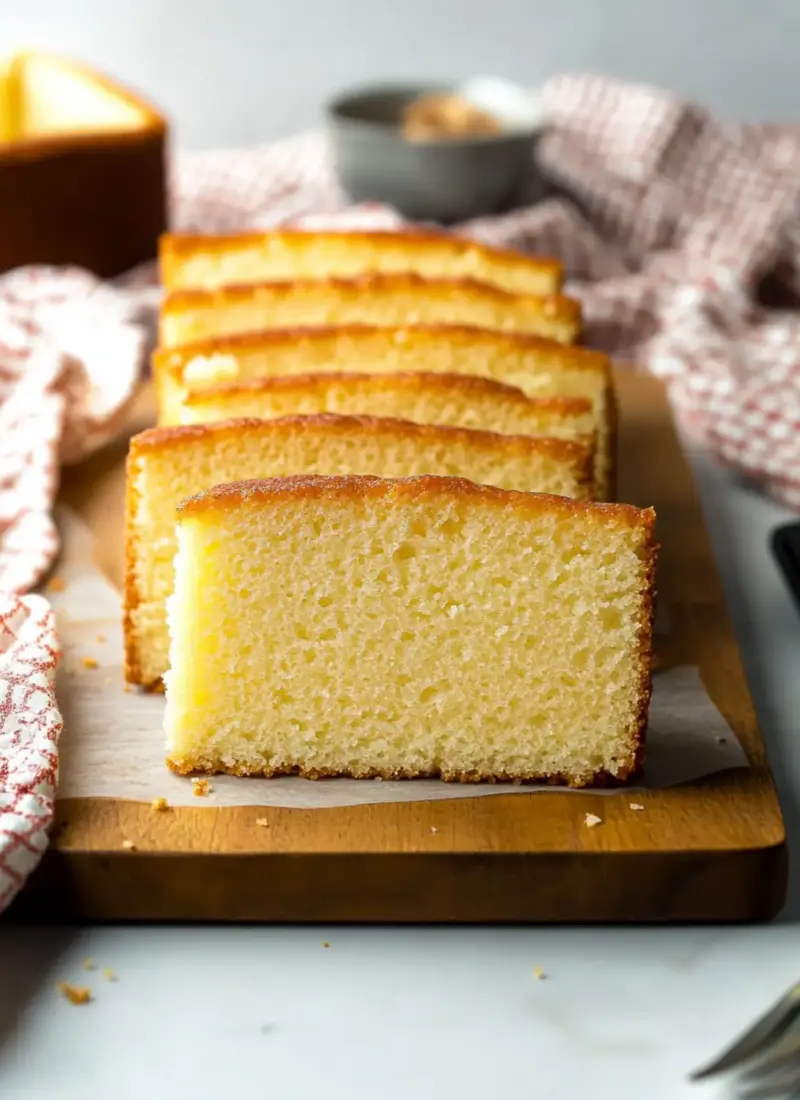
There’s a certain magic that happens when you whip together simple ingredients and end up with something extraordinary. Enter the fluffy Japanese Sponge Cake, or Castella Cake—a delightful dessert that transforms basic pantry staples into a soft, airy treat that dances on your taste buds. As the warm scent of honey and vanilla fills your kitchen, you’ll find it hard to resist savoring a slice, especially when it’s not overly sweet. This cake is perfect for any occasion, whether you’re enjoying a quiet afternoon with tea or impressing guests with an elegant dessert.
In my quest for lighter indulgences, this Japanese classic quickly became a favorite. With a tender crumb that bounces back with a gentle push, it offers versatility that excites, from refreshing Strawberry Shortcake to delicate cupcakes. Trust me, once you’ve tasted this airy delight, you’ll want to explore all its delicious variations. Ready to give it a whirl? Let’s dive into making this charmingly simple yet utterly satisfying sponge cake!

Why is Japanese Sponge Cake a Must-Try?
Lightness in Every Bite: This fluffy treat offers an airy texture that melts in your mouth, making it uniquely satisfying without the heaviness.
Endless Versatility: Transform it into a delightful Japanese Strawberry Shortcake or mini cupcakes, perfect for any occasion.
Simple Ingredients: With just a few pantry staples, you can whip up something truly special without breaking a sweat.
Aromatic Bliss: The enchanting scent of honey and vanilla elevates your baking experience, filling your kitchen with warmth and joy.
Perfect for All: Whether served at a celebration or enjoyed with tea, this cake is sure to impress family and friends alike. So, gather those ingredients and discover your new favorite dessert!
Japanese Sponge Cake Ingredients
• Discover the secrets to making this airy delight!
For the Batter
- Eggs – Provide structure and moisture; be sure to use room temperature eggs for maximum fluffiness.
- Granulated Sugar – Sweetens the cake and stabilizes the egg mixture, ensuring it rises perfectly.
- Honey – Adds a gentle sweetness and enhances flavor; you can substitute with maple syrup for a unique twist.
- Warm Water – Assists in dissolving honey smoothly with other ingredients for a uniform batter.
- Vanilla Extract – Depths the flavor; feel free to swap it for almond extract if you’re aiming for a different aroma.
- Salt – Elevates the flavor profile, creating a beautiful balance in your cake.
- Cake Flour – Provides a tender crumb; if unavailable, mix all-purpose flour with cornstarch for a homemade alternative.
Additional Tips
- Optional Toppings – Consider whipped cream and fresh fruits for an elegant garnish that enhances your Japanese sponge cake experience.
- Flavor Variations – Experiment by incorporating flavored extracts or fruit purees into the batter to customize this classic dessert!
How to Make Japanese Sponge Cake
- Prepare Egg Mixture: In an electric mixer, whisk room temperature eggs with granulated sugar at high speed for 6-8 minutes. The mixture should become very light, frothy, and resemble custard for optimal fluffiness.
- Heat Oven & Prepare Pan: Preheat your oven to 315°F (160°C). Grab an 8×8-inch square metal pan, and line it with parchment paper, ensuring it extends above the edges for easy cake removal.
- Mix Wet Ingredients: In a separate bowl, combine honey, warm water, vanilla extract, and salt. Mix until everything is fully integrated, creating a smooth concoction of flavors.
- Combine Mixtures: Reduce the mixer speed and gently add the honey mixture to the egg mixture. Carefully fold in the cake flour until just combined—remember, no overmixing!
- Bake: Pour the batter into your prepared pan and tap it lightly on the counter to release any trapped air bubbles. Bake for about 45 minutes or until the cake is puffed up and golden brown.
- Cool & Strip: Once baked, carefully remove the cake from the pan using the parchment paper. Wrap the warm cake in plastic wrap to keep it moist and cool it to room temperature before unwrapping.
Optional: Serve your cake with a dollop of whipped cream and fresh fruits for an elegant touch.
Exact quantities are listed in the recipe card below.
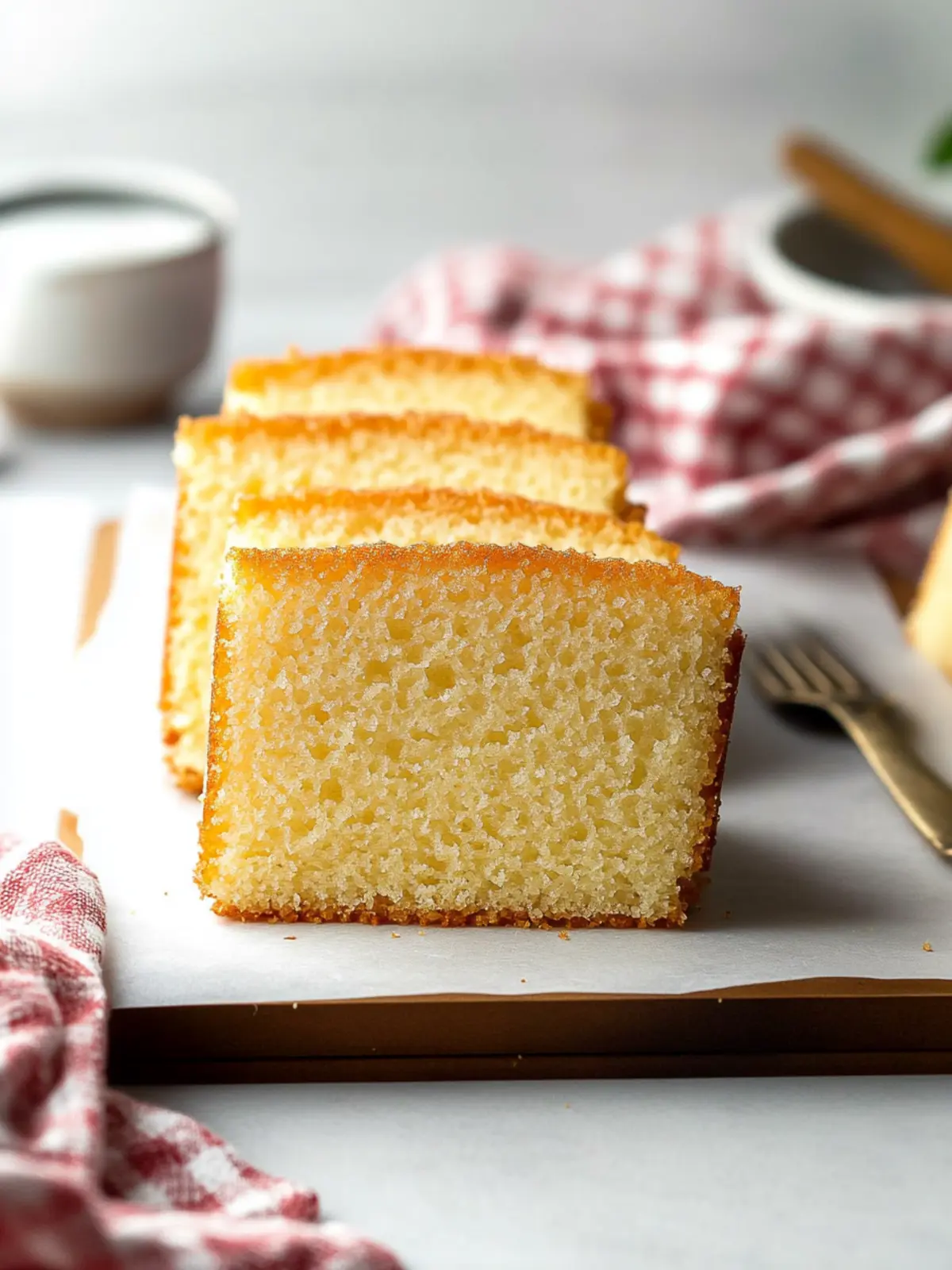
Expert Tips for Japanese Sponge Cake
- Room Temperature Eggs: Ensure your eggs are at room temperature. This helps them whip more easily, contributing to the cake’s light and airy texture.
- Avoid Overmixing: When folding in the flour, mix gently. Overmixing can lead to a dense cake instead of the desired fluffy Japanese sponge cake.
- Cooling Matters: Wrap the cake while it’s still warm to maintain moisture, enhancing the tenderness of each slice when you enjoy it later.
- Oven Check: Every oven is different, so keep an eye on your cake as it bakes. Once golden and puffed, it’s time to take it out!
- Experiment with Flavors: Feel free to add flavored extracts or even purees to customize your cake, but stick to the original recipe for the best foundation.
Make Ahead Options
These delightful Japanese Sponge Cake creations are perfect for time-conscious bakers! You can make the batter up to 24 hours in advance. Simply prepare the egg mixture and combine it with the other wet ingredients, then store it tightly covered in the refrigerator. When ready to bake, just allow it to come to room temperature (this helps maintain fluffiness) and then incorporate the cake flour before pouring into the prepared pan. Additionally, the baked cake can be wrapped in plastic wrap and refrigerated for up to 3 days; it will still be just as delicious and moist! For the best texture, consider letting it rest overnight after baking, then serve with whipped cream and fresh fruits for an elegant touch.
Storage Tips for Japanese Sponge Cake
- Room Temperature: Keep your Japanese sponge cake wrapped tightly in plastic wrap to ensure it stays moist; it can be stored at room temperature for up to 5 days.
- Fridge: If you prefer a chilled treat, store the wrapped cake in the refrigerator for up to 10 days; this can enhance its flavor and texture.
- Freezer: For longer storage, carefully wrap the cake in plastic wrap and then in aluminum foil; it can be frozen for up to 2 months. Thaw in the fridge before serving.
- Reheating: To enjoy, simply let the cake come to room temperature after refrigerating or freezing, or gently reheat in a microwave for a few seconds for a soft, delightful slice.
What to Serve with Japanese Sponge Cake?
Elevate your dessert experience with delightful pairings that complement the airy charm of this beloved cake.
- Fresh Berries: Serve a medley of strawberries, blueberries, and raspberries for a burst of freshness that contrasts beautifully with the cake’s sweet texture.
- Whipped Cream: A dollop of lightly sweetened whipped cream adds a creamy element that mingles perfectly with the fluffy sponge.
- Green Tea: The earthy notes of green tea create a harmonious balance, enhancing the cake’s delicate flavors while providing a soothing sip beside each slice.
- Matcha Ice Cream: For a rich and creamy addition, pairing the sponge cake with matcha ice cream introduces both color and a subtle sweetness that dances on the palate.
- Citrus Salad: A refreshing salad with orange and grapefruit segments brightens the dessert experience, adding a zesty kick to each bite of cake.
- Chocolate Ganache: Drizzling a light chocolate ganache over the cake offers a touch of indulgence, creating an adorable contrast of flavors without overwhelming its lightness.
- Mango Puree: Smooth and sweet, a mango puree adds a tropical twist that enhances the overall sweetness, making for a vibrant plate presentation.
- Espresso or Coffee: Compliment the cake with a robust cup of espresso or freshly brewed coffee, grounding the sweetness with rich, bold flavors that awaken your senses.
Japanese Sponge Cake Variations
Feel free to explore these delightful twists that add more personality to your Japanese Sponge Cake!
- Strawberry Shortcake: Layer your cake with whipped cream and fresh strawberries for a classic, refreshing dessert. It’s a delightful combination that captures the essence of spring.
- Cupcake Version: Pour the batter into cupcake liners for individual servings that make it easy to share. These mini delights are perfect for parties or lunchboxes!
- Chocolate Delight: Add cocoa powder to the batter for a rich, chocolatey version. Pair with a chocolate glaze to elevate this treat to new heights.
- Citrus Zest: Incorporate lemon or orange zest into the batter to infuse a zesty brightness. This refreshing hint will awaken your senses in every bite.
- Almond Extract: Swap out vanilla for almond extract to enhance the flavor profile with a nutty aroma. This small change can lead to a delightful depth of flavor.
- Caramel Drizzle: Once baked and cooled, drench the cake in a silky caramel sauce for a luxurious, sweet finish. The rich gooeyness pairs beautifully with the cake’s lightness.
- Matcha Infusion: Blend matcha powder into the batter for a vibrant green tea flavor. This Asian-inspired twist not only looks stunning but also adds a unique flavor profile.
- Spicy Kick: For those who love a bit of heat, sprinkle in some ground ginger or cinnamon. This warm spice will create a comforting twist, especially signature in fall desserts.

Japanese Sponge Cake Recipe FAQs
What size eggs should I use for the best results?
I recommend using large eggs for making Japanese Sponge Cake, as they provide the right balance of moisture and structure. Ensure they are at room temperature for optimal fluffiness, which allows for better aeration when whisking.
How should I store my Japanese sponge cake?
To keep your Japanese sponge cake fresh, wrap it tightly in plastic wrap, and store it at room temperature for up to 5 days. If you prefer a chilled dessert, you can refrigerate it for up to 10 days, enhancing its taste and texture.
Can I freeze the Japanese sponge cake?
Absolutely! For optimal freezing, wrap the cooled cake tightly in plastic wrap, followed by aluminum foil to ensure it doesn’t dry out. It can be frozen for up to 2 months. When you’re ready to enjoy it, simply thaw it in the fridge overnight before serving.
What should I do if my cake comes out dense?
If your Japanese Sponge Cake turns out dense, it may be due to overmixing the batter after adding the flour. Remember to fold it gently until just combined. Also, ensure your eggs were properly whipped to a light, frothy consistency before mixing in other ingredients.
Are there any dietary considerations for this Japanese sponge cake?
While this recipe is versatile, it does contain eggs and gluten from cake flour. For gluten-free options, consider using a gluten-free flour blend, but be mindful that this may affect the cake’s airiness. If you have allergies or are cooking for someone with dietary restrictions, always check ingredient labels carefully!
Can I add flavors or toppings to the Japanese sponge cake?
Yes, indeed! Feel free to enhance the flavor of your cake by adding extracts like almond or citrus to the batter. For toppings, I often suggest fresh fruits and a light whipped cream to elevate your presentation. Transform it into a delightful Japanese Strawberry Shortcake by layering it with strawberries and cream for an extra special touch!
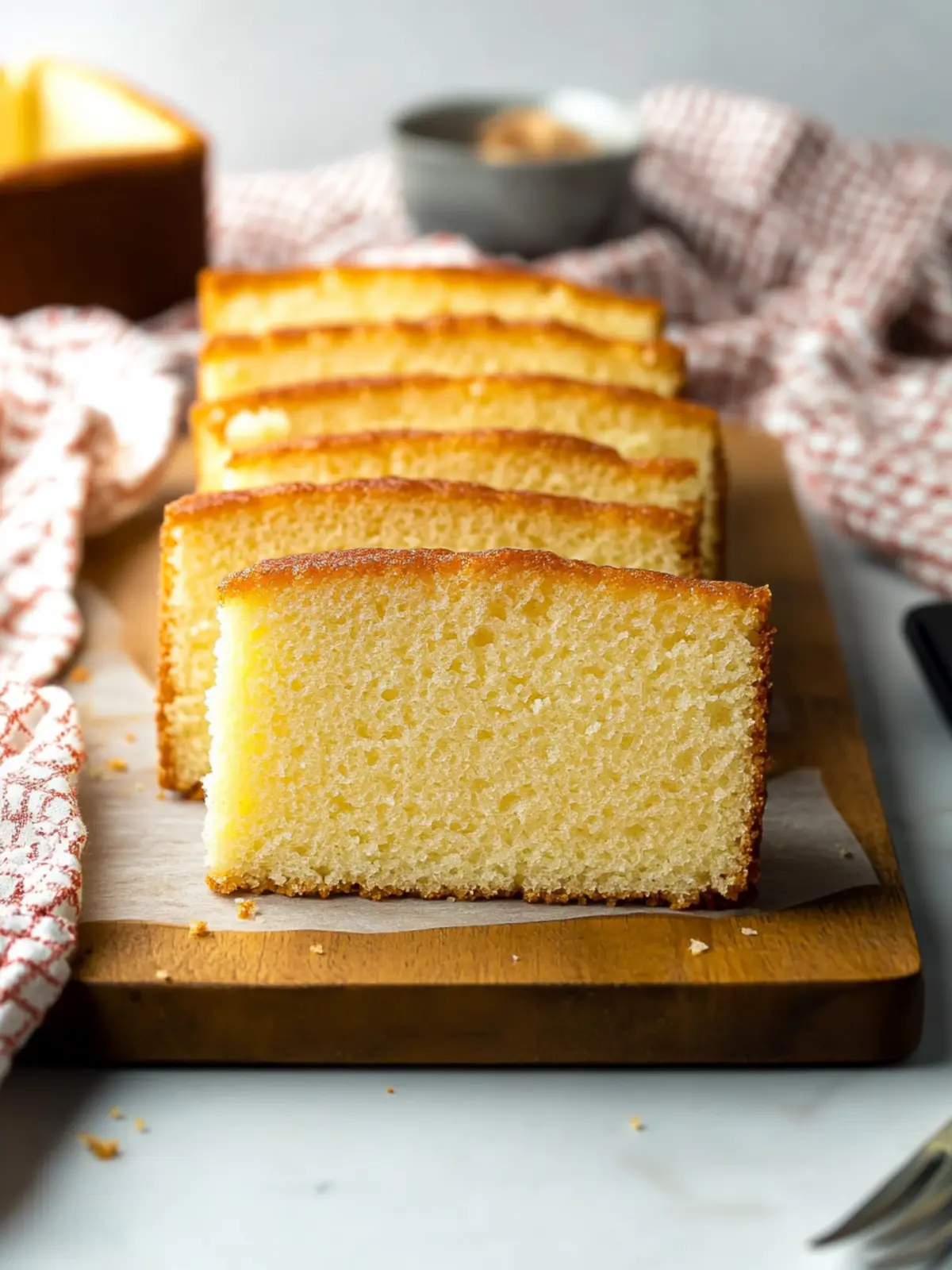
Light and Fluffy Japanese Sponge Cake You’ll Love to Bake
Ingredients
Equipment
Method
- In an electric mixer, whisk room temperature eggs with granulated sugar at high speed for 6-8 minutes until light and frothy.
- Preheat your oven to 315°F (160°C) and prepare the 8x8-inch square metal pan with parchment paper.
- In a separate bowl, combine honey, warm water, vanilla extract, and salt. Mix until fully integrated.
- Reduce mixer speed and gently add the honey mixture to the egg mixture. Fold in the cake flour until just combined.
- Pour the batter into the prepared pan, tap on the counter to release air bubbles, and bake for about 45 minutes.
- Once baked, remove the cake using parchment paper and wrap it in plastic wrap to cool to room temperature.