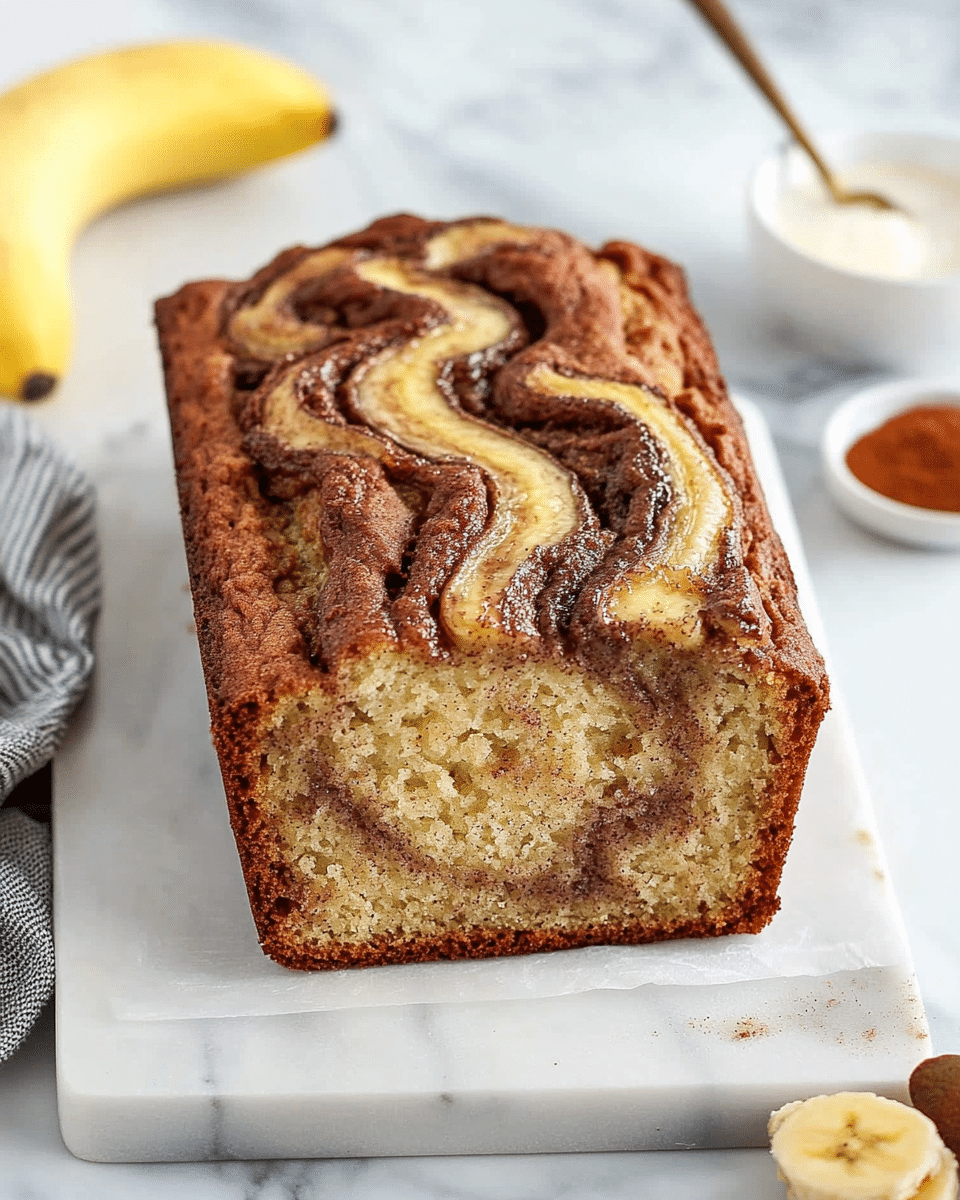

Banana bread is a classic and comforting treat that transforms ripe, over-the-hill bananas into a moist, flavorful loaf. Loved for its simplicity and versatility, this quick bread is perfect for breakfast, snacks, or dessert. With just a handful of basic ingredients, you can create a warm, sweet bread that fills your home with an irresistible aroma. Whether you enjoy it plain or with your favorite add-ins like nuts or chocolate chips, banana bread is a timeless recipe that’s easy to make and always satisfying.
FULL RECIPE
Ingredients
- 3 ripe bananas, mashed
- 1/3 cup melted butter
- 3/4 cup sugar
- 1 large egg, beaten
- 1 teaspoon vanilla extract
- 1 teaspoon baking soda
- Pinch of salt
- 1 1/2 cups all-purpose flour
Directions
- Preheat the oven to 350°F (175°C). Grease a 9×5 inch loaf pan.
- In a large mixing bowl, mash the ripe bananas with a fork until smooth.
- Stir the melted butter into the mashed bananas.
- Mix in the sugar, beaten egg, and vanilla extract until well combined.
- Sprinkle the baking soda and salt over the mixture and stir.
- Add the flour last, mixing just until combined—do not overmix.
- Pour the batter into the prepared loaf pan.
- Bake for 60 minutes, or until a toothpick inserted into the center comes out clean.
- Remove from oven and let cool in the pan for 10 minutes, then transfer to a wire rack to cool completely.
Nutritional Information
- Calories: 196
- Total Fat: 7g
- Saturated Fat: 4.3g
- Cholesterol: 30mg
- Sodium: 210mg
- Total Carbohydrates: 32g
- Dietary Fiber: 1.5g
- Sugars: 17g
- Protein: 2.5g
The History of Banana Bread
Banana bread has its roots in early 20th-century America, becoming popular during the Great Depression when home cooks sought to reduce waste by using overripe bananas. The recipe evolved from traditional quick breads, which use baking soda or baking powder as leavening agents rather than yeast. Over time, banana bread has become a beloved classic comfort food, especially popular in American households as a way to enjoy bananas beyond just fresh fruit. Its enduring popularity is due to its moist texture, sweet flavor, and ease of preparation, making it a go-to recipe for novice and experienced bakers alike.
Why Overripe Bananas Are Best
Using overripe bananas is crucial for achieving the perfect banana bread. As bananas ripen, their starches break down into sugars, which increases sweetness and adds moisture to the bread. The dark spots on the peel indicate that the fruit is at peak ripeness for baking, as the softer texture also helps integrate well into the batter. Under-ripe bananas are firmer and less sweet, which can result in a denser, less flavorful bread. Overripe bananas also contribute to the distinct aroma and rich banana flavor that makes this bread so comforting.
The Science Behind Quick Breads
Banana bread is classified as a quick bread because it uses chemical leaveners like baking soda or baking powder instead of yeast. These leavening agents react with acidic ingredients (like bananas or buttermilk) to produce carbon dioxide gas, which causes the batter to rise during baking. This reaction happens quickly, which is why the batter must be baked soon after mixing. Understanding this chemical reaction helps bakers avoid common issues such as dense or flat bread by ensuring fresh leavening agents and proper ingredient ratios.
Variations to Customize Your Banana Bread
Banana bread is incredibly versatile, allowing for many creative variations to suit different tastes and dietary needs. Common additions include nuts like walnuts or pecans for crunch, chocolate chips for sweetness, or dried fruits for added texture. Some people incorporate spices such as cinnamon or nutmeg to enhance the flavor profile. For a healthier twist, alternatives like whole wheat flour, oat flour, or adding flaxseed can boost nutritional value. Vegan versions can be made by substituting eggs with flax eggs or applesauce, making it accessible to a wider audience.
Nutritional Benefits and Considerations
Banana bread, while often considered a treat, does offer some nutritional benefits. Bananas provide potassium, vitamin C, and dietary fiber, which support heart health and digestion. However, traditional recipes can be high in sugar and fat, so moderation is key. For those watching their sugar intake, reducing sugar or using natural sweeteners can make banana bread a healthier option. Incorporating whole grain flours also increases fiber content. Understanding the nutrition helps consumers make informed choices based on their dietary goals.
How to Achieve the Perfect Texture
The texture of banana bread should be moist and tender with a fine crumb. Achieving this depends on the right balance of wet and dry ingredients and careful mixing. Overmixing the batter can activate gluten in the flour, resulting in a tough, dense bread rather than a soft one. It’s important to combine ingredients until just incorporated. The moisture from bananas and butter contributes to softness, while baking soda helps create a light rise. Baking time and temperature also affect texture — underbaking leaves the bread gummy, and overbaking can dry it out.
Storing and Freezing Banana Bread
Proper storage is essential to maintain banana bread’s freshness and flavor. At room temperature, it should be wrapped tightly in plastic wrap or stored in an airtight container, lasting about 2-3 days. For longer storage, banana bread freezes exceptionally well. Wrap it tightly in plastic wrap and aluminum foil, then place it in a freezer-safe bag. When ready to eat, thaw it at room temperature or warm it gently in the oven. Freezing allows you to enjoy homemade banana bread anytime without worrying about it going stale.
Serving Suggestions and Pairings
Banana bread can be enjoyed on its own or paired with various toppings and accompaniments. A simple spread of butter or cream cheese adds richness, while a drizzle of honey or nut butter can introduce extra flavor and texture. It pairs wonderfully with a hot cup of coffee or tea, making it a popular choice for breakfast or afternoon snacks. For a more decadent treat, warm slices with a scoop of vanilla ice cream or a dollop of whipped cream turns banana bread into dessert.
Common Mistakes to Avoid
Many bakers struggle with banana bread, but a few common pitfalls can be easily avoided. Using underripe bananas results in less sweetness and moisture, which impacts flavor and texture. Overmixing the batter can create a dense bread, while underbaking leaves the loaf gooey inside. Measuring flour incorrectly, especially by scooping instead of spooning and leveling, can add too much flour and dry out the bread. Lastly, not greasing the pan well can cause sticking, so proper preparation is key for easy removal.
The Cultural Impact of Banana Bread
Banana bread has transcended its humble origins to become a cultural icon, especially during times of economic hardship or social isolation. For example, during the COVID-19 pandemic, banana bread saw a surge in popularity worldwide as people turned to home baking for comfort and activity. Its status as a symbol of homemade care and resourcefulness continues to make it a favorite recipe passed down through generations, connecting families and communities through shared baking traditions.
How to Make Banana Bread Healthier
If you want to enjoy banana bread without guilt, there are simple ways to improve its nutritional profile. Reducing the sugar or substituting with natural sweeteners like maple syrup or honey can help. Using whole wheat flour instead of all-purpose flour adds fiber and nutrients. Incorporating ingredients like Greek yogurt, applesauce, or mashed pumpkin can reduce the amount of butter or oil needed, cutting down on fat content. Adding nuts or seeds not only boosts nutrition but also provides a satisfying crunch and flavor complexity.
Conclusion
Easy homemade banana bread is much more than just a simple baked good; it carries a rich history, scientific principles, and cultural significance. Its versatility allows it to be adapted to various tastes and dietary needs, making it accessible and beloved worldwide. Understanding how to use ripe bananas, balance ingredients, and avoid common mistakes ensures a perfect loaf every time. Whether enjoyed fresh, stored, or frozen, banana bread continues to bring comfort and joy, proving that sometimes the simplest recipes are the most timeless and treasured.