

As the first hints of spring awaken our gardens, I find myself irresistibly drawn to the lushness of foraged greens. Recently, while wandering through the local market, a vibrant bundle of nettles caught my eye. Their earthy aroma and rich green color ignited a sense of adventure in my kitchen. I knew they would be the secret ingredient in a delightful Nettle Pesto Bucatini with Spring Peas and Parmesan.
This dish effortlessly unites the peppery essence of nettles with the sweetness of plump spring peas, creating a vibrant and refreshing pasta experience. In just 45 minutes, you’ll have a meal that not only elevates your weeknight dinners but also introduces a unique twist to your usual pasta repertoire. Perfect for vegetarians and those yearning for a break from the routine of fast food, this recipe celebrates seasonal cooking and is adaptable for your favorite greens. Let’s dive in and explore how to transform these wild greens into a creamy, herbaceous masterpiece!
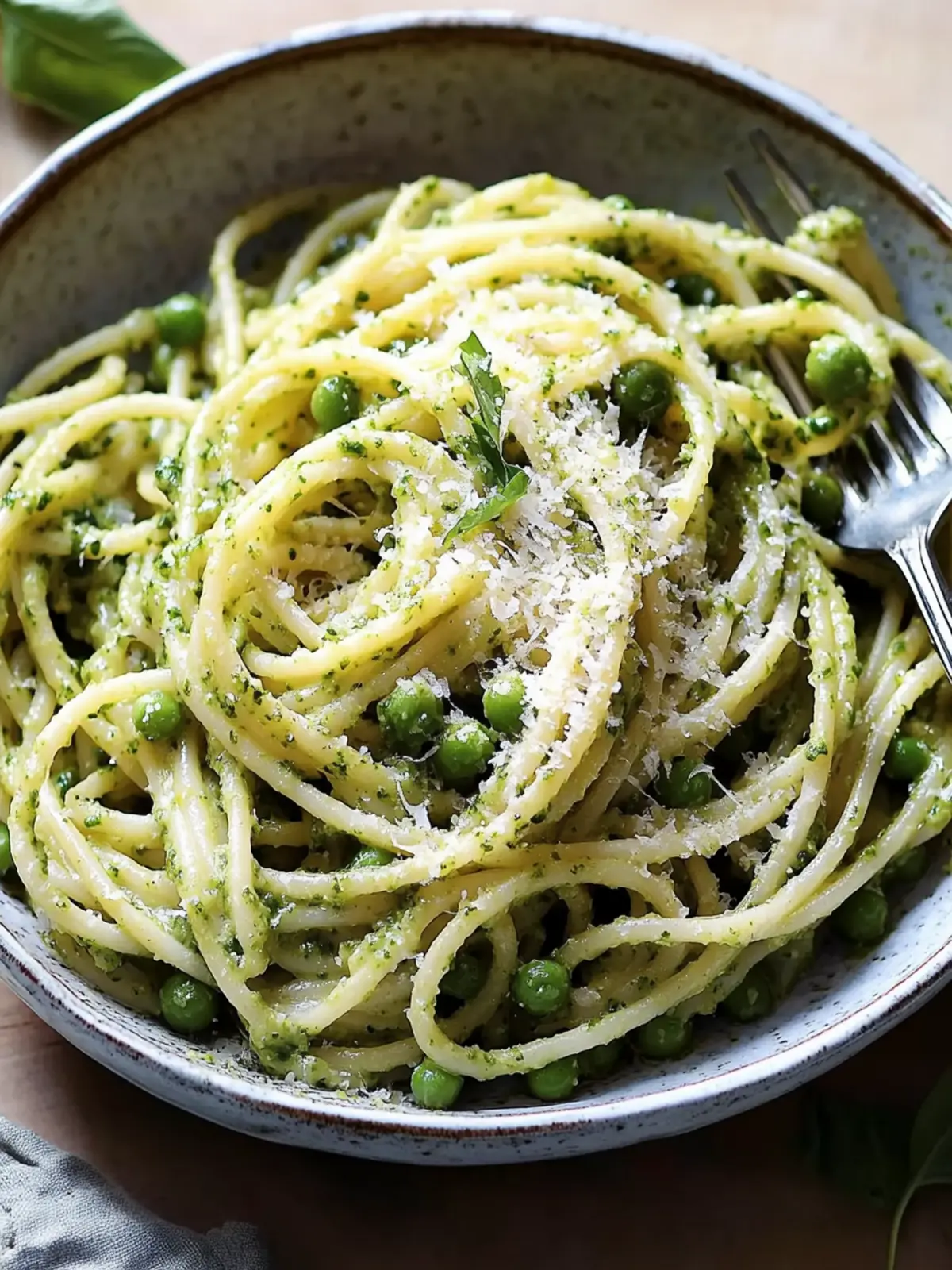
Why is Nettle Pesto Bucatini so special?
Unique Flavor: The use of nettle leaves infuses this dish with a distinct, earthy taste that sets it apart from traditional pesto.
Quick Prep: With only 45 minutes from start to finish, this recipe is perfect for busy weeknights without sacrificing quality.
Seasonal Delight: Utilizing fresh spring peas not only enhances flavor but also boosts nutritional value, embracing the joys of seasonal cooking.
Versatile Substitutions: You can easily swap nettles for arugula or spinach, adapting the recipe to suit your taste.
Creamy Indulgence: A generous helping of Parmesan creates a rich, creamy texture that will have everyone coming back for seconds.
Elevate your dining experience with this delightful dish that brings the garden to your table!
Nettle Pesto Bucatini Ingredients
For the Pesto
- Nettle Leaves – Earthy greens that serve as the base for the pesto; substitution: arugula offers a milder flavor.
- Kosher Salt – Enhances flavor and balances the dish beautifully.
- Pine Nuts – Add a nutty richness; toasting them first brings out their flavor.
- Garlic (small cloves, roughly chopped) – Provides aromatic depth to brighten the pesto.
- Lemon Zest + 3 Tbsp Lemon Juice – Adds brightness and acidity to balance the richness of the pesto.
- Extra Virgin Olive Oil – Acts as the emulsifying agent, lending a fruity note to the pesto sauce.
- Parmesan (finely grated; about 1 cup, divided) – Infuses savory cheesiness, vital for a creamy texture in the pesto.
For the Pasta
- Bucatini Pasta (or Spaghetti) – The perfect base for this dish; its hollow shape holds more sauce.
- Fresh or Frozen Peas – Sweet pops that add color and enhance the seasonal appeal of the dish.
Elevate your culinary journey with this delightful Nettle Pesto Bucatini with Spring Peas and Parmesan—it’s not just a meal; it’s an experience!
How to Make Nettle Pesto Bucatini with Spring Peas and Parmesan
-
Prepare the Pesto: In a food processor, combine nettle leaves, roughly chopped garlic, toasted pine nuts, lemon zest, lemon juice, and half of the grated Parmesan. Blend until smooth while slowly drizzling in the extra virgin olive oil. Add kosher salt to taste.
-
Cook the Pasta: In a large pot of boiling salted water, cook bucatini pasta until al dente, about 8-10 minutes. Before draining, reserve a cup of pasta water to adjust the sauce’s creaminess later.
-
Combine & Serve: Toss the drained bucatini with nettle pesto and the sweet spring peas, incorporating reserved pasta water as needed to achieve the desired creamy consistency. Top with the remaining grated Parmesan and a sprinkle of black pepper for extra flavor.
Optional: For an extra touch, garnish with toasted pine nuts or a drizzle of olive oil before serving.
Exact quantities are listed in the recipe card below.
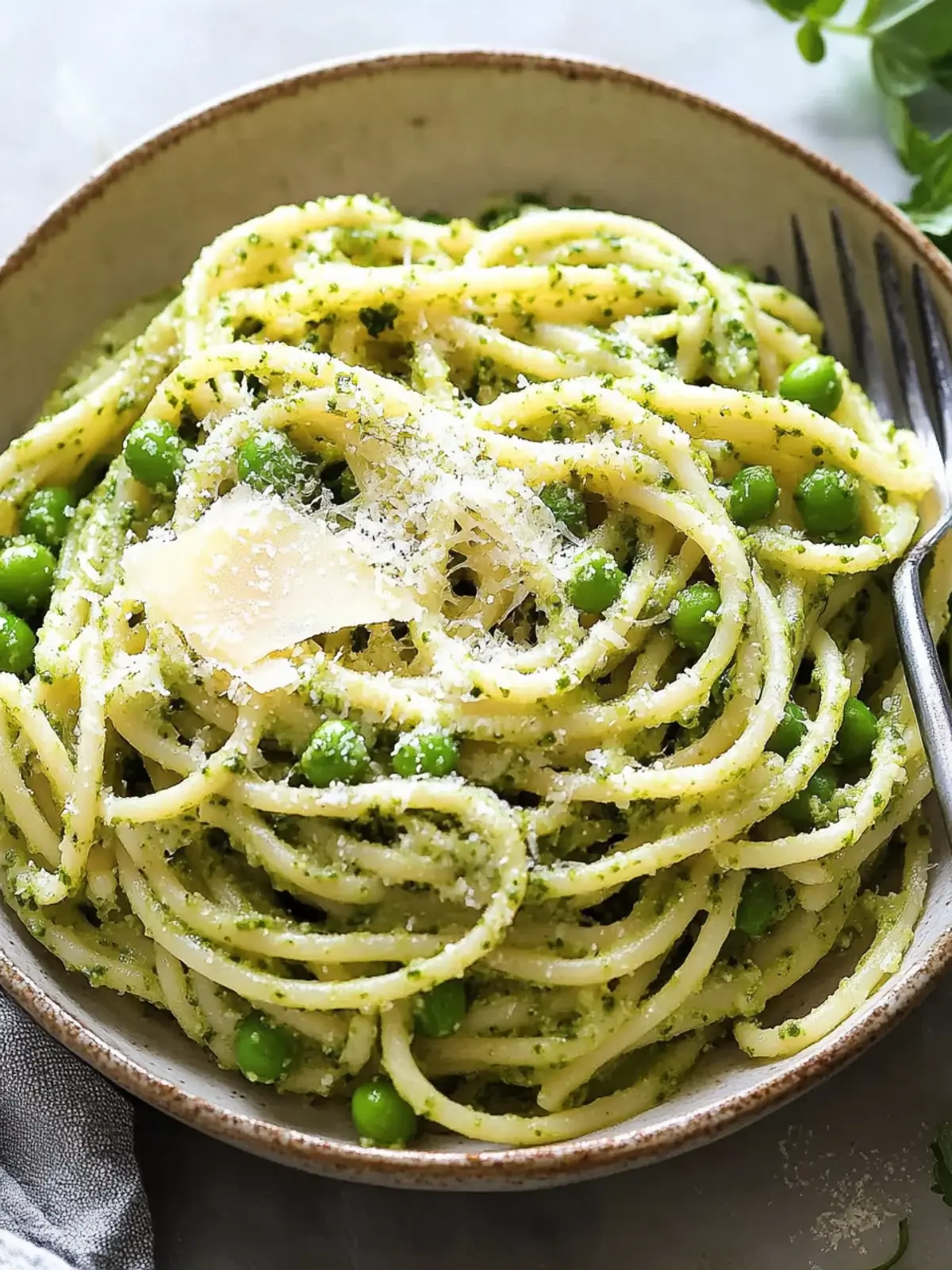
Make Ahead Options
These Nettle Pesto Bucatini with Spring Peas and Parmesan are perfect for meal prep! You can prepare the nettle pesto up to 3 days in advance and store it in an airtight container in the refrigerator, adding a thin layer of olive oil on top to prevent browning. The bucatini pasta can be cooked ahead of time as well—just store it in a separate container and drizzle a little olive oil over it to keep it from sticking. When you’re ready to serve, simply reheat the pasta in a pan with a splash of reserved pasta water and toss it with the chilled pesto and sweet spring peas for a quick, restaurant-quality meal with minimal effort. Enjoy your delicious, homemade dish any day of the week!
Storage Tips for Nettle Pesto Bucatini
-
Fridge: Store any leftover Nettle Pesto Bucatini in an airtight container for up to 3 days. Be sure to reheat gently to maintain the creamy texture.
-
Freezer: If you want to freeze the dish, place it in an airtight container for up to 2 months. Thaw in the fridge overnight before reheating.
-
Pesto Storage: The pesto itself can be stored in the fridge for up to a week. For longer storage, freeze portions in ice cube trays and transfer to a zip-top bag for easy future use.
-
Reheating: When reheating, add a splash of reserved pasta water or olive oil to the bucatini to restore its creamy consistency and flavor.
What to Serve with Nettle Pesto Bucatini with Spring Peas and Parmesan?
Elevate your dining experience with complementary dishes that enhance the delightful flavors of your vibrant pasta creation.
-
Simple Side Salad: Fresh greens with a light vinaigrette create a refreshing contrast, balancing the creamy richness of the pesto.
-
Garlic Bread: Crunchy and buttery, this classic favorite is perfect for soaking up any leftover pesto essence on your plate.
-
Roasted Asparagus: The bright, earthy flavors of roasted asparagus pair wonderfully with the herbaceous nettles, adding a touch of seasonal delight.
-
Grilled Vegetable Platter: A colorful assortment of seasonal vegetables brings texture and a smoky depth that complements the dish beautifully.
-
Lemon Sorbet: For dessert, this light, zesty treat cleanses your palate, making it the perfect ending to your flavorful meal.
-
Chilled White Wine: A crisp Sauvignon Blanc or Pinot Grigio enhances the fresh flavors of the dish, elevating the overall dining experience.
Nettle Pesto Bucatini Variations
Feel free to play around with this recipe and make it your own, adding delightful personal touches along the way!
-
Greens Swap: Substitute nettles with arugula or spinach for a milder, yet still flavorful pesto. This allows you to enjoy a similar dish tailored to your taste.
-
Nutty Twist: Use walnuts instead of pine nuts to bring a unique earthiness to the pesto. Toast them lightly to enhance their rich flavor, giving your dish a deeper nutty quality.
-
Creamy Vegan: Replace Parmesan with nutritional yeast for a vegan-friendly version that still gives a cheesy flavor without dairy. You won’t miss the cheese with this savory substitute!
-
Heat It Up: Add crushed red pepper flakes for a spicy kick that elevates the dish and adds excitement to every bite. Sprinkle in as little or as much as you like for the perfect heat level.
-
Herb Infusion: Incorporate fresh basil or parsley alongside the nettles for a burst of fresh herbaceous notes. This twist adds dimension to your pesto and makes it even more aromatic.
-
Citrus Zing: Swap lemon juice for lime juice to give your pesto a tropical twist. The lime brings brightness, balancing beautifully with the earthy nettles.
-
Pasta Variety: Experiment with different pasta shapes like rigatoni or whole wheat spaghetti for a twist in texture. Each shape offers a unique way for the pesto to coat the pasta, adding variety to your meal.
-
Pea Alternatives: If fresh peas aren’t in season, swap them out for blanched asparagus or sautéed zucchini. These veggies will lend their flavors and textures, maintaining the seasonal spirit of the dish.
Dive into these ideas and savor the fun of creating something uniquely yours!
Expert Tips for Nettle Pesto Bucatini
-
Handle with Care: Always wear gloves when handling raw nettles! This way, you can avoid any stings and enjoy the cooking process without worry.
-
Perfect Pasta: Avoid overcooking the bucatini! Aim for al dente to ensure it holds its shape and absorbs the delicious nettle pesto perfectly.
-
Creamy Consistency: Reserve pasta water before draining! This starchy liquid can be a lifesaver for adjusting the creaminess of your Nettle Pesto Bucatini.
-
Flavor Adjustments: Taste and adjust seasoning throughout! Don’t forget to add salt gradually and adjust the lemon juice to suit your flavor preferences.
-
Make Ahead: Store your prepared pesto in an airtight container! Layering it with a thin olive oil coating prevents browning for up to a week, making it ready for future meals.
Elevate your culinary adventure with this delightful Nettle Pesto Bucatini with Spring Peas and Parmesan, and enjoy every flavorful bite!
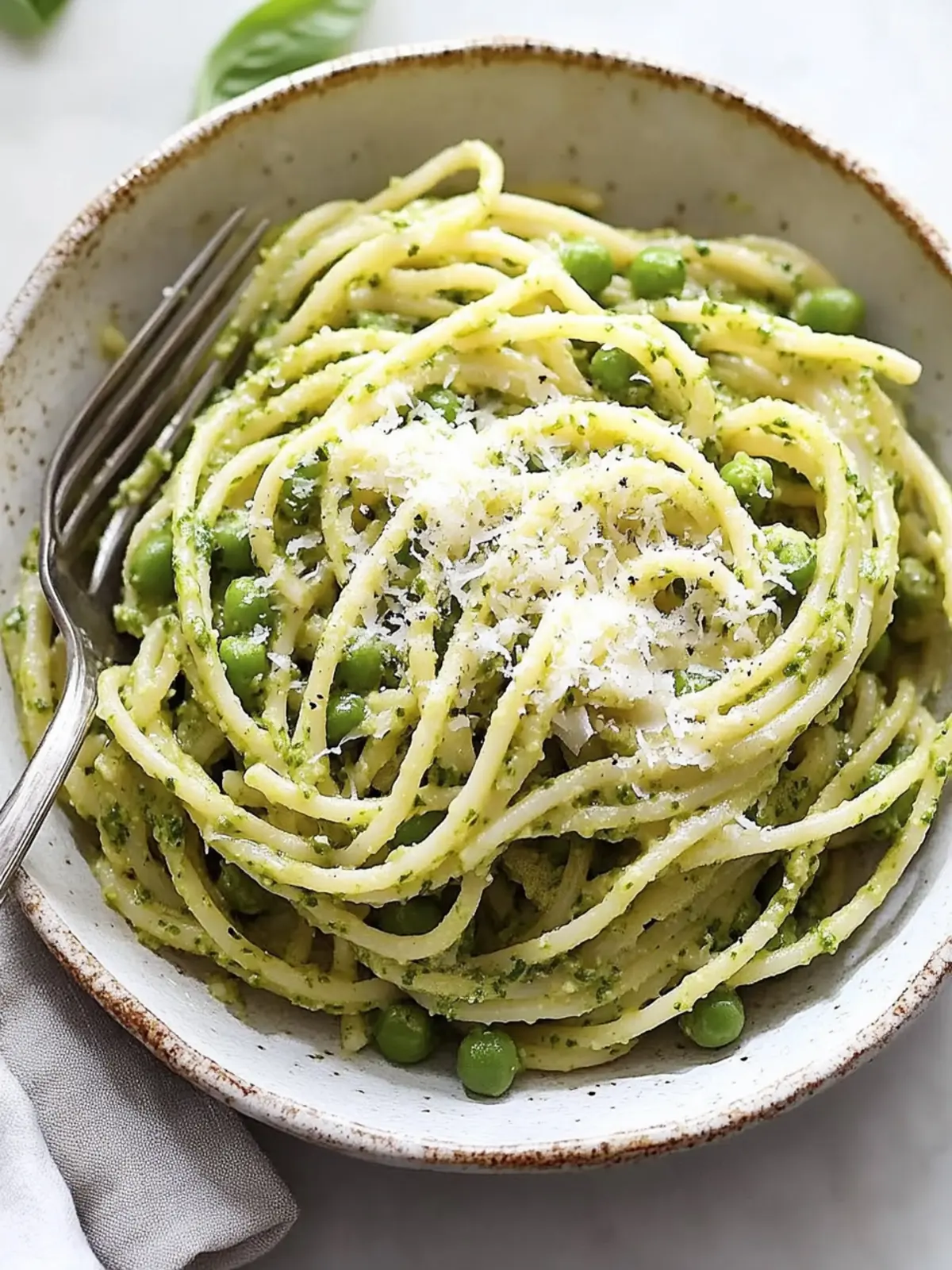
Nettle Pesto Bucatini with Spring Peas and Parmesan Recipe FAQs
How do I select the best nettle leaves?
Absolutely! When choosing nettle leaves, look for vibrant green leaves that are fresh and tender. Avoid any that are yellow or have dark spots; these may indicate age or spoilage. Young nettles, typically found in spring, are the most flavorful and least fibrous, so they’re ideal for this dish.
What’s the best way to store leftover Nettle Pesto Bucatini?
Very good question! You can store any leftover Nettle Pesto Bucatini in an airtight container for up to 3 days in the refrigerator. To reheat, simply warm it gently on the stove with a splash of water to restore its lovely creaminess.
Can I freeze leftover Nettle Pesto Bucatini?
Yes, you can! Place the dish in an airtight container or a freezer-safe bag for up to 2 months. To enjoy it later, thaw in the refrigerator overnight and reheat with a splash of reserved pasta water or olive oil to regain the creamy texture.
What are some common issues when making pesto, and how can I troubleshoot?
If your pesto is too thick, add a bit more olive oil or reserved pasta water to achieve your desired consistency. In case it tastes too bitter, you can balance it with an extra pinch of salt or a splash of lemon juice. Also, don’t forget to blend thoroughly to ensure a smooth texture; if it’s grainy, it hasn’t been processed long enough!
Are nettles safe for pets or individuals with allergies?
While nettles are completely safe for humans when cooked or processed, they can be harmful to pets. Always consult with your veterinarian about new foods if you’re considering sharing any part of this dish with your furry friends. Additionally, if you or someone you are cooking for has an allergy to related plants, such as other types of greens or certain nuts, it’s wise to proceed with caution and choose substitutions accordingly.
How can I make this dish dietary-friendly for others?
If you want to adapt the Nettle Pesto Bucatini for different diets, consider substituting nettles with milder greens like arugula, spinach, or even kale. You can also switch the pine nuts for sunflower seeds or pumpkin seeds for a nut-free option, making it accessible for those with nut allergies. And for lactose intolerance, using nutritional yeast instead of Parmesan can give a cheesy flavor without the dairy!
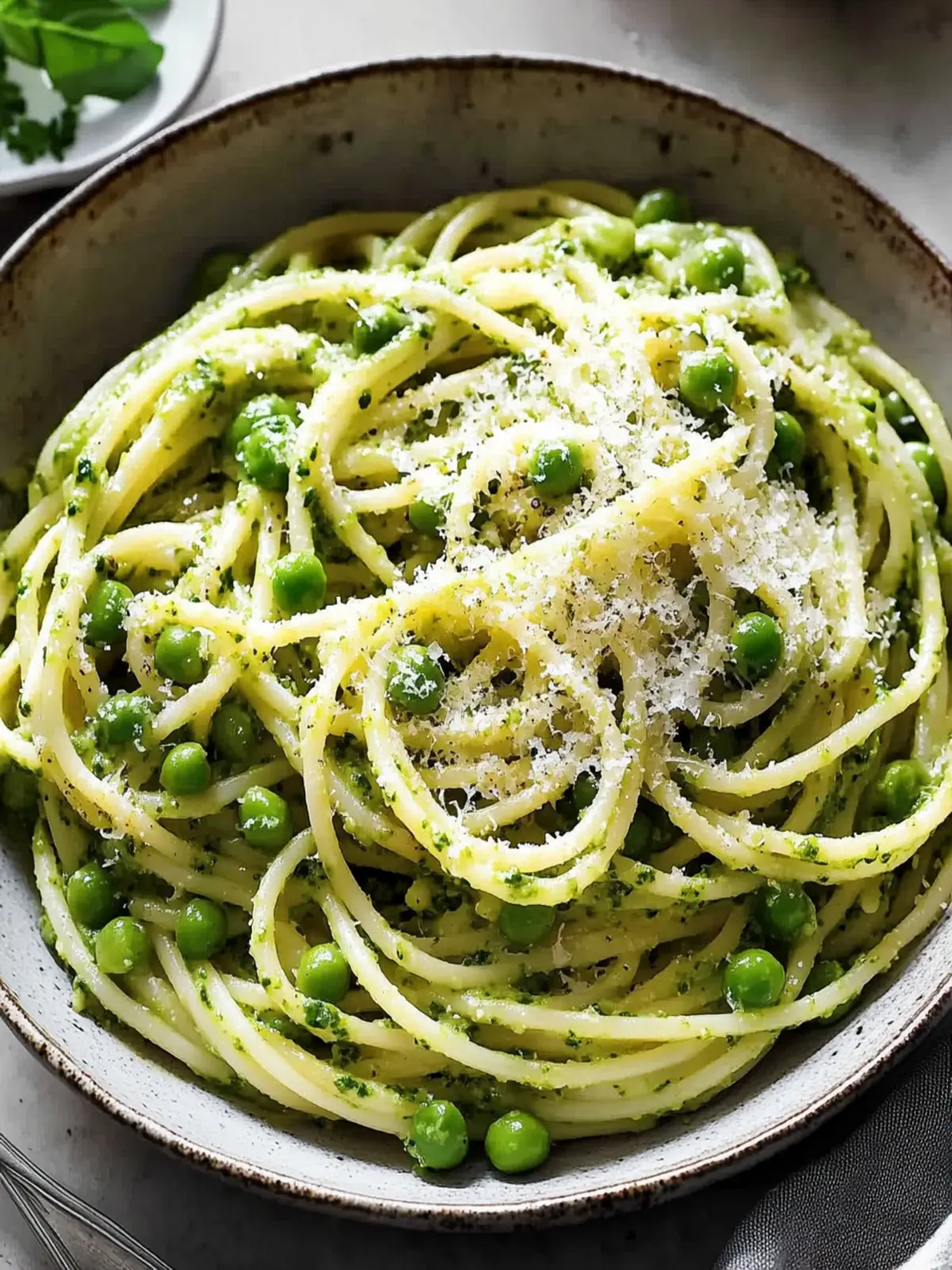
Nettle Pesto Bucatini with Spring Peas and Parmesan Bliss
Ingredients
Equipment
Method
- In a food processor, combine nettle leaves, roughly chopped garlic, toasted pine nuts, lemon zest, lemon juice, and half of the grated Parmesan. Blend until smooth while slowly drizzling in the extra virgin olive oil. Add kosher salt to taste.
- In a large pot of boiling salted water, cook bucatini pasta until al dente, about 8-10 minutes. Before draining, reserve a cup of pasta water to adjust the sauce's creaminess later.
- Toss the drained bucatini with nettle pesto and the sweet spring peas, incorporating reserved pasta water as needed to achieve the desired creamy consistency. Top with the remaining grated Parmesan and a sprinkle of black pepper for extra flavor.
- For an extra touch, garnish with toasted pine nuts or a drizzle of olive oil before serving.