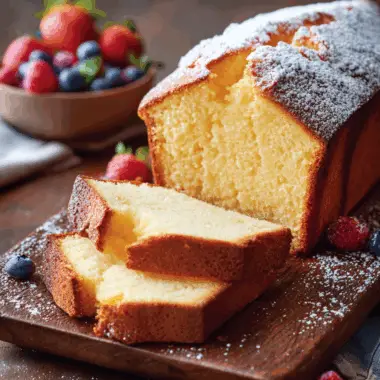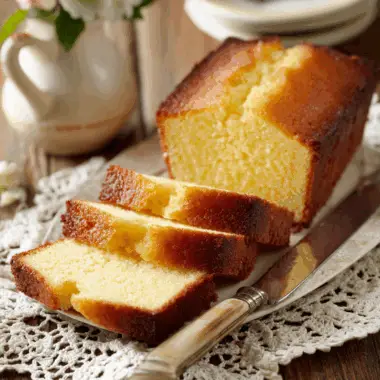

This Buttery Vanilla Pound Cake is a treasured family recipe passed down from Grandma’s kitchen. Simple yet elegant, this cake is known for its rich buttery flavor, dense yet tender crumb, and sweet vanilla aroma that fills the whole house as it bakes. It’s the kind of cake you’d enjoy with a cup of coffee on a quiet afternoon or dress up with berries and cream for a special occasion.
FULL RECIPE
Ingredients
- 1 cup (226 g) unsalted butter, softened
- 2 cups (400 g) granulated sugar
- 4 large eggs, room temperature
- 1 tablespoon pure vanilla extract
- 3 cups (360 g) all-purpose flour
- 1/2 teaspoon baking powder
- 1/4 teaspoon salt
- 1 cup (240 ml) whole milk, room temperature
Directions
- Preheat your oven to 325°F (163°C). Grease and flour a 10-inch bundt or loaf pan.
- In a large mixing bowl, cream the butter and sugar together using an electric mixer on medium speed until light and fluffy, about 3–5 minutes.
- Add the eggs one at a time, beating well after each addition. Scrape down the sides of the bowl as needed.
- Mix in the vanilla extract.
- In a separate bowl, whisk together the flour, baking powder, and salt.
- Add the dry ingredients to the wet mixture in three additions, alternating with the milk, starting and ending with the flour mixture. Mix just until combined—do not overmix.
- Pour the batter into the prepared pan and smooth the top with a spatula.
- Bake for 60 to 75 minutes, or until a toothpick inserted into the center comes out clean.
- Let the cake cool in the pan for 15 minutes, then turn it out onto a wire rack to cool completely.
- Once cooled, slice and serve as is or dust with powdered sugar for a decorative touch.
Nutrition Facts
- Calories: 430
- Total Fat: 20g
- Saturated Fat: 12g
- Trans Fat: 0g
- Cholesterol: 110mg
- Sodium: 130mg
- Total Carbohydrates: 57g
- Dietary Fiber: 1g
- Sugars: 35g
- Protein: 6g
- Calcium: 40mg
- Iron: 1.8mg
History and Tradition of Pound Cake
Pound cake traces its origins back to 18th-century Europe, where it was named for its original proportions: one pound each of butter, sugar, eggs, and flour. This simple formula made it easy to remember before written recipes became common. Over the generations, it evolved to include more refined ingredients and flavorings like vanilla and milk. In many families, the recipe has been handed down through generations—like this buttery vanilla version from Grandma—making it a cherished tradition that connects loved ones through time and taste.
Texture and Taste Profile
A hallmark of a well-made pound cake is its dense yet tender crumb. The high butter and sugar content contributes to its moistness, while the eggs provide structure and richness. Vanilla infuses the cake with a warm, aromatic sweetness that complements the buttery base. Unlike airy sponge cakes, pound cake offers a satisfying bite and comforting mouthfeel, making it an ideal companion to hot beverages or as a dessert base for more elaborate presentations.
Health and Nutritional Considerations
While a traditional pound cake is rich in calories, saturated fats, and sugars, it also contains protein from eggs and trace minerals from dairy and flour. This makes it a high-energy treat suitable for occasional indulgence. For those watching their intake, it can be sliced thinner or enjoyed as part of a balanced meal. Substitutions such as Greek yogurt for part of the butter or plant-based milk can reduce fat and calorie content while maintaining flavor and texture.
Common Variations and Flavor Enhancements
The classic buttery vanilla flavor is a canvas for creativity. Popular variations include lemon zest and juice for a citrusy zing, almond extract for a nuttier note, or a splash of rum or bourbon for a boozy kick. Some bakers fold in blueberries, chocolate chips, or chopped nuts for added texture and taste. Glazes—such as vanilla bean, lemon, or chocolate—can be drizzled over the top to create visual appeal and extra flavor.
Ideal Serving Suggestions
Buttery vanilla pound cake is incredibly versatile when it comes to serving. A thick slice can be served warm with a pat of butter or whipped cream for a cozy snack. It also pairs beautifully with fresh fruit such as strawberries or raspberries and a dollop of cream for an elegant dessert. For a breakfast treat, consider toasting a slice and spreading it with jam or honey. It’s equally delicious served plain alongside a strong coffee or spiced tea.
Pairings with Drinks and Other Dishes
The rich and subtly sweet profile of pound cake makes it a wonderful companion to a variety of beverages. Coffee, especially dark roast or espresso, cuts through the richness and enhances the cake’s buttery flavor. Black teas, such as Earl Grey or English Breakfast, pair well due to their robust tannins. For something more festive, serve it with sparkling wine or dessert wine like Moscato. On the savory side, pound cake can be creatively paired with a cheese board as a sweet counterpoint to sharp or creamy cheeses.
Storage and Shelf Life Tips
To maintain its moist texture and fresh flavor, pound cake should be stored properly. Once cooled, wrap it tightly in plastic wrap or foil and keep it at room temperature for up to three days. For longer storage, refrigerate it in an airtight container for up to one week. If you plan to freeze it, slice the cake first and wrap each piece individually; this makes it easy to grab a single serving. Frozen pound cake can last up to three months and still taste freshly baked when thawed.
Making It Ahead and Gifting Ideas
Pound cake is an excellent make-ahead dessert, as its flavor and texture often improve after a day or two. This makes it ideal for holidays, picnics, or hosting events. Because it keeps well, it’s also perfect for gifting. Wrap it in parchment, tie with baker’s twine, and place in a decorative tin or box for a thoughtful homemade present. Consider pairing it with a jar of homemade fruit preserves or a sachet of flavored tea for a complete gift set.
Baking Tips for Perfect Results
Achieving a flawless pound cake requires attention to a few key techniques. Use ingredients at room temperature to ensure they emulsify properly, creating a uniform batter. Cream the butter and sugar until light and fluffy—this incorporates air, contributing to the cake’s structure. Avoid overmixing after adding flour to prevent toughness. Bake at a lower temperature for a longer time to ensure even cooking and a golden crust. Always test with a toothpick for doneness, and let it cool in the pan briefly before transferring to a rack.
Adapting for Special Diets
For those with dietary restrictions, the traditional recipe can be adapted in several ways. Use gluten-free flour blends to create a celiac-friendly version, ensuring the blend includes xanthan gum for structure. For dairy-free needs, substitute the butter and milk with vegan alternatives like coconut oil and almond milk. Egg substitutes such as flax eggs or commercial egg replacers can work for vegan versions, though the texture may be slightly less rich. Sweeteners like coconut sugar or erythritol can reduce the glycemic impact while maintaining sweetness.
Conclusion
Grandma’s buttery vanilla pound cake remains a beloved classic for good reason—it’s delicious, dependable, and deeply nostalgic. Whether enjoyed as a simple snack or transformed into an elegant dessert, this cake adapts to any occasion. With endless possibilities for customization and a long shelf life, it continues to be a favorite in home kitchens across generations. From its humble beginnings to its place in modern celebrations, pound cake proves that sometimes, the simplest recipes offer the richest rewards.