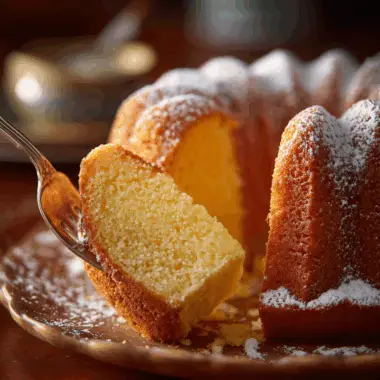

This Vanilla Glazed Pound Cake is a cherished old-fashioned family favorite that brings back memories of Sunday gatherings and special celebrations. With its rich, buttery crumb and fragrant vanilla glaze, this classic cake is simple yet indulgent—perfect for pairing with coffee, fresh berries, or a scoop of ice cream. It’s a timeless treat that never goes out of style.
FULL RECIPE
Ingredients
1.For the Pound Cake:
- 1 cup (226 g) unsalted butter, softened
- 2 cups (400 g) granulated sugar
- 4 large eggs, room temperature
- 3 cups (375 g) all-purpose flour
- 1/2 teaspoon baking powder
- 1/2 teaspoon salt
- 1 cup (240 ml) whole milk
- 1 tablespoon vanilla extract
2.For the Vanilla Glaze:
- 1 cup (120 g) powdered sugar
- 2 tablespoons milk (more as needed)
- 1 teaspoon vanilla extract
Directions
- Preheat your oven to 325°F (163°C). Grease and flour a 10-inch bundt or tube pan.
- In a large mixing bowl, cream the butter and sugar together using an electric mixer until light and fluffy (about 3–5 minutes).
- Add the eggs one at a time, beating well after each addition.
- In a separate bowl, whisk together the flour, baking powder, and salt.
- Gradually add the dry ingredients to the creamed mixture alternately with the milk, beginning and ending with the flour mixture. Mix until just combined.
- Stir in the vanilla extract.
- Pour the batter evenly into the prepared pan and smooth the top.
- Bake for 70–80 minutes, or until a toothpick inserted into the center comes out clean.
- Cool in the pan for 15 minutes before turning out onto a wire rack to cool completely.
- For the glaze, whisk together the powdered sugar, milk, and vanilla extract until smooth. Add more milk if needed for a pourable consistency.
- Drizzle the glaze over the cooled cake. Let it set before slicing and serving.
Nutrition Facts
- Calories: 445
- Total Fat: 20g
- Saturated Fat: 12g
- Cholesterol: 115mg
- Sodium: 180mg
- Total Carbohydrates: 63g
- Dietary Fiber: 1g
- Sugars: 41g
- Protein: 5g
History and Tradition of Pound Cake
Pound cake has deep roots in European baking, originally named for its simple formula: one pound each of butter, sugar, eggs, and flour. This dense and rich dessert made its way to America in the 18th century and quickly became a staple in Southern kitchens. Over the generations, families added their own twists—vanilla, citrus zest, or even cream cheese—transforming the basic recipe into a beloved heirloom. The Vanilla Glazed Pound Cake reflects this rich heritage, offering a moist, flavorful crumb and a glossy glaze that bridges tradition with modern sweetness.
Why Pound Cake Remains a Timeless Favorite
Pound cake’s enduring popularity lies in its simplicity, versatility, and indulgent flavor. It requires no exotic ingredients, rises beautifully without leavening agents beyond eggs, and boasts a golden crust with a dense, satisfying crumb. The vanilla glaze adds both visual appeal and a touch of sophistication. Whether served as a coffee companion, dessert centerpiece, or base for fruit toppings, pound cake’s consistency and ability to please palates across generations make it a timeless favorite in households around the world.
The Role of Butter and Sugar in Texture and Flavor
Butter and sugar are not just foundational in pound cake—they’re transformational. Creaming butter and sugar introduces air, creating a soft, tender crumb despite the cake’s dense appearance. The fat from the butter lends richness and flavor, while sugar not only sweetens but also caramelizes during baking, contributing to the pound cake’s signature golden crust. The balance of these two ingredients ensures that each bite is indulgent, moist, and deeply satisfying, especially when enhanced by a sweet glaze.
Importance of Room Temperature Ingredients
Using room temperature ingredients, particularly eggs, butter, and milk, ensures even mixing and a smoother batter. Cold ingredients can cause the batter to curdle or lead to uneven baking, resulting in a dense or gummy texture. Room temperature eggs blend more seamlessly with butter and sugar, while milk at ambient temperature prevents the mixture from seizing or clumping. This seemingly small step has a significant impact on achieving the ideal structure and crumb in a vanilla glazed pound cake.
The Science Behind the Vanilla Glaze
The vanilla glaze is more than a sweet topping—it’s a moisture seal and a flavor enhancer. Made with powdered sugar, milk, and vanilla extract, the glaze hardens slightly upon setting, adding a glossy finish and delicate texture contrast to the soft cake. It seeps into the top layer of the cake, locking in freshness and infusing each bite with extra vanilla flavor. This dual role—decoration and preservation—makes the glaze both practical and delicious.
Creative Variations to Try
While the classic vanilla glazed version is beloved, pound cake invites endless variations. Add lemon or orange zest for a citrusy twist, swirl in cocoa or fruit preserves for a marbled effect, or mix in chocolate chips or chopped nuts for added texture. The glaze itself can be flavored with almond extract, maple syrup, or even a splash of bourbon for a more adult-friendly treat. These customizations let bakers adapt the recipe to suit personal tastes or seasonal themes.
Serving Suggestions and Occasions
Vanilla Glazed Pound Cake is incredibly versatile and suitable for a wide range of occasions. Serve it warm with a scoop of vanilla ice cream for a decadent dessert, or slice it thin for an elegant afternoon tea snack. During holidays, it makes a beautiful and crowd-pleasing addition to the dessert table. For brunches, pair it with fresh fruit and whipped cream. Whether dressed up or served plain, it never feels out of place, offering a touch of homey indulgence wherever it goes.
Perfect Pairings with Beverages and Toppings
This pound cake pairs exceptionally well with a variety of beverages and toppings. Coffee and tea are natural companions, as their warmth contrasts beautifully with the cake’s sweetness. For a more luxurious treat, serve it with hot chocolate or a dessert wine like Moscato. Fresh berries, compotes, or a dollop of whipped cream elevate the cake’s flavor and presentation. Even a simple dusting of cinnamon or powdered sugar can enhance its taste without overpowering the vanilla essence.
Storage Tips to Preserve Freshness
To maintain the pound cake’s moisture and texture, proper storage is essential. Once the glaze has set, store the cake in an airtight container at room temperature for up to 3 days. For longer storage, wrap the cake tightly in plastic wrap and refrigerate for up to a week. It can also be frozen (glazed or unglazed) for up to 3 months—just thaw it overnight in the refrigerator and bring it to room temperature before serving. These methods help prevent drying out and preserve the cake’s rich flavor.
Health Considerations and Portion Control
While pound cake is undeniably indulgent, mindful eating can help enjoy it without guilt. Due to its high butter and sugar content, portion control is key. A thin slice goes a long way in delivering flavor and satisfaction. For those watching their intake, the recipe can be adapted using reduced-fat butter or sugar substitutes, though the texture and taste may slightly differ. Pairing it with fruit or opting for a smaller serving allows for balance while still savoring this comforting dessert.
Conclusion
Vanilla Glazed Pound Cake is much more than just a sweet treat—it’s a nostalgic, versatile dessert that bridges generations. Its simplicity allows for creativity, while its richness satisfies both casual snackers and dessert connoisseurs alike. From the buttery crumb to the glossy vanilla glaze, every element works together to create a comforting yet elegant experience. Whether served at family gatherings or quiet moments with a cup of tea, this pound cake continues to be a symbol of warmth, hospitality, and the timeless joy of homemade baking.