

When the sun sets and the kitchen fills with enticing aromas, there’s nothing quite like the experience of preparing a warm, comforting meal. Enter these Middle Eastern Stuffed Onions: A Savory Vegan Delight! As the onion layers slowly soften in the oven, they cradle a nourishing filling of rice, fresh herbs, and a symphony of spices, creating a dish that promises to awaken your senses. What I love most about this recipe is its versatility; whether you’re hosting a hearty family dinner or simply seeking a new tasty twist on plant-based cooking, these stuffed onions are bound to impress.
Perfect for those craving homemade goodness amidst the convenience of fast-food culture, this dish easily accommodates dietary preferences, offering vegan and gluten-free options without sacrificing flavor. Imagine gathering your loved ones around the table, drawn in by the irresistible scent of a wholesome, healthful meal that feels as good as it tastes. So roll up your sleeves and let’s dive into this culinary journey that transforms everyday ingredients into an extraordinary dining experience!
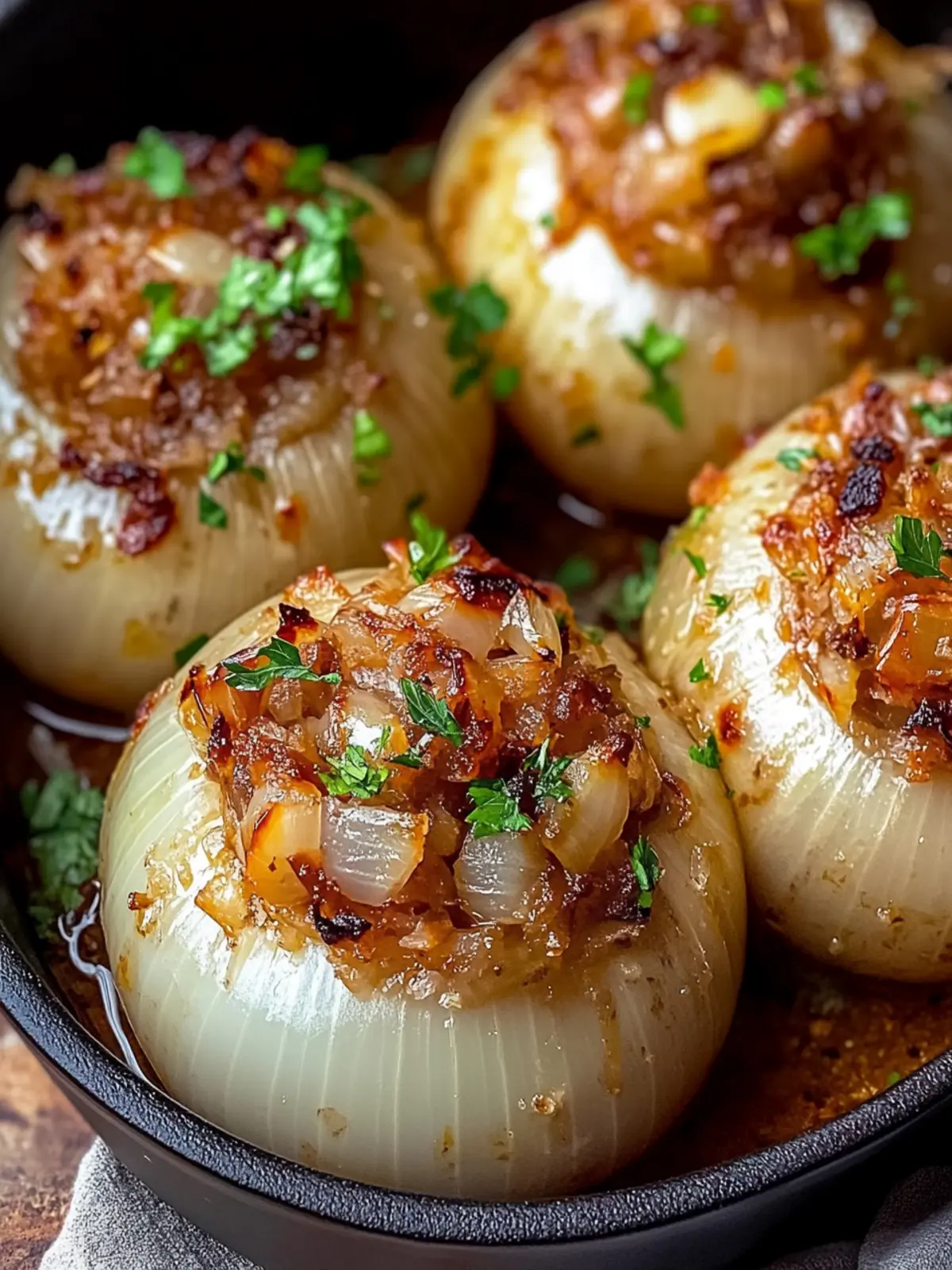
Why are Middle Eastern Stuffed Onions irresistible?
Flavor Explosion: Each bite of these stuffed onions presents a delightful mix of herbs and spices that will transport you to the bustling streets of the Middle East.
Easy Prep: With simple steps, even novice cooks can create this impressive dish with ease, perfect for busy weeknights or special gatherings.
Versatile Filling: Swap in quinoa or rice, and customize with your favorite herbs—this dish lifts the bar for plant-based meals!
Crowd-Pleasing: Whether you’re entertaining guests or satisfying family favorites, these onions offer a beautiful and nutritious centerpiece that everyone will love.
Health-Conscious: With vegan and gluten-free options, they’re a wholesome choice for any diet. Check out how to make your meal prep easier while keeping it delicious!
Middle Eastern Stuffed Onions Ingredients
For the Stuffing
- Yellow Onions – Provides structure and natural sweetness; opt for large, firm onions to hold the filling well.
- Cal-Rose or Sushi Rice – The base of the stuffing; short-grain rice absorbs flavors wonderfully, or swap for quinoa to cater to gluten-free diets.
- Garlic Cloves – Adds robust flavor; fresh minced garlic significantly enhances the stuffing’s depth.
- Fresh Parsley – Brightens the dish and adds freshness; feel free to swap with cilantro for a different herbal twist.
- Dried Mint – Introduces a refreshing hint; fresh mint can be used instead, or you can omit it for simplicity.
- Pomegranate Molasses – Gives a unique sweet depth; balsamic vinegar serves as a suitable substitute if unavailable.
- Seven Spices – A traditional Middle Eastern seasoning mix; allspice works well in its place if necessary.
- Salt and Pepper – Essential for flavor enhancement; always taste and adjust according to your preferences.
For the Tomato Sauce
- Roma Tomatoes – Provides moisture and richness; any medium tomato variety can effectively replace them.
- Extra Virgin Olive Oil – Adds depth of flavor; you can also use lighter oils if you prefer.
- Lemon Juice – Brightens the sauce; substitute with vinegar if lemon isn’t on hand.
- Tomato Sauce – Creates a rich cooking base; canned crushed tomatoes are both convenient and effective for this recipe.
Feel the excitement build as you prepare these Middle Eastern Stuffed Onions! Let’s get cooking!
How to Make Middle Eastern Stuffed Onions
-
Prepare Onions: Cut the ends off the yellow onions, peel them, and slice deep wedges into the side to create a pocket for the filling. Microwave the onions in hot water for 7-8 minutes until softened, then let them cool.
-
Prepare Filling: Rinse the Cal-Rose or sushi rice until the water runs clear, then soak for 15 minutes before draining. In a bowl, mix the drained rice with minced garlic, fresh parsley, dried mint, seven spices, olive oil, and pomegranate molasses until well combined.
-
Stuff Onions: Gently separate the layers of each onion, filling each layer tightly with about 2 tablespoons of the rice mixture, ensuring a generous and flavorful stuffing.
-
Bake Onions: Place the stuffed onions upright in a baking dish. Combine the tomato sauce ingredients, then pour the mixture over the onions. Cover with parchment paper and foil, and bake at 375°F (190°C) for 1 hour and 15 minutes until tender.
-
Cool and Serve: Allow the stuffed onions to cool for 10 minutes before serving. They are best enjoyed warm, accompanied by a refreshing salad or yogurt for an extra kick of flavor.
Optional: Top with fresh mint or a drizzle of tahini sauce before serving for added flavor.
Exact quantities are listed in the recipe card below.
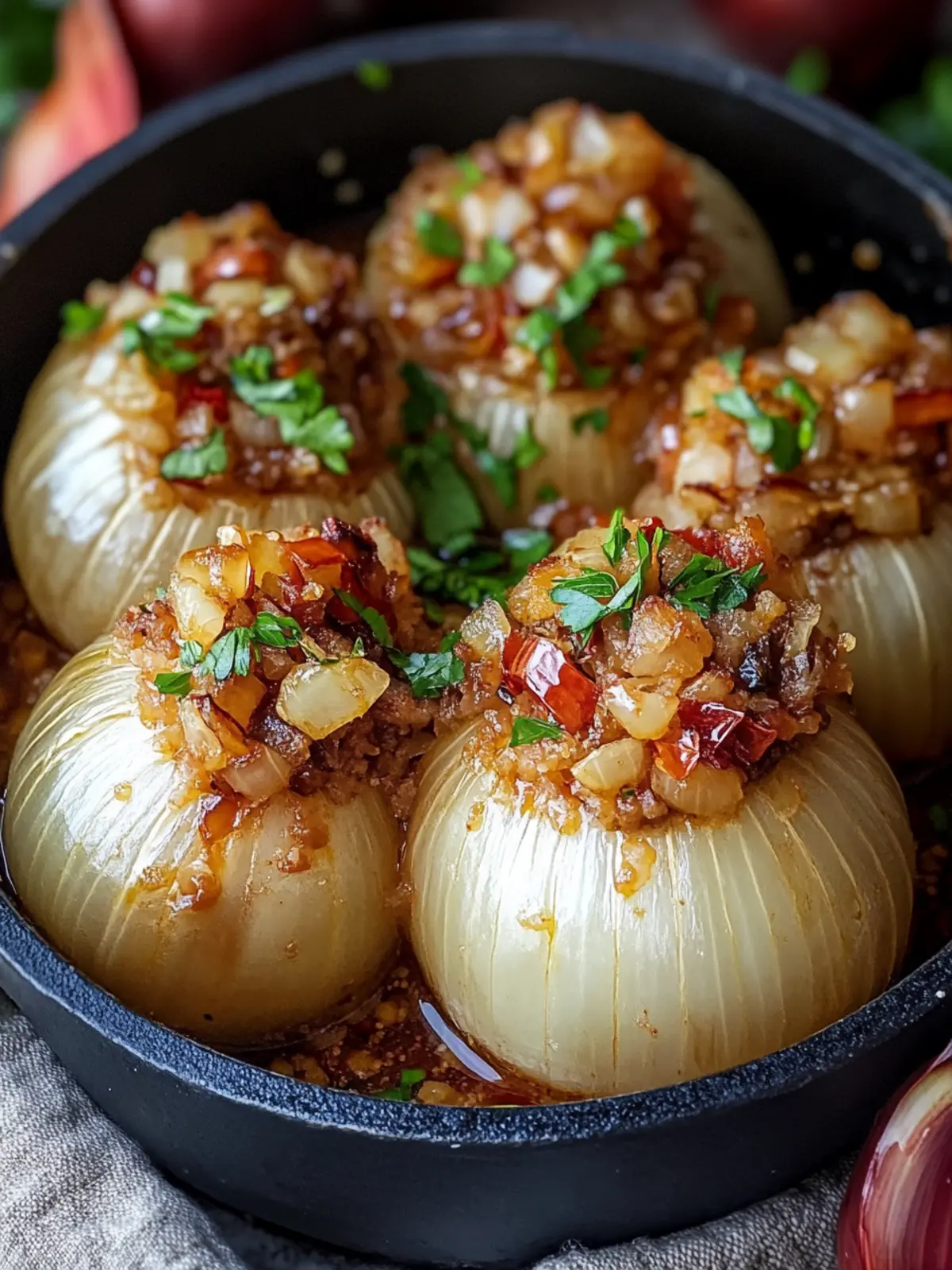
What to Serve with Middle Eastern Stuffed Onions?
Elevate your dining experience with flavorful accompaniments that perfectly complement these delightful stuffed onions.
-
Fresh Tabbouleh Salad: This vibrant, herbaceous salad brightens up the plate with hints of lemon and parsley which balance the richness of the onions.
-
Creamy Tahini Sauce: Drizzle this nutty, smooth sauce over the stuffed onions for a rich, creamy contrast that enhances every bite.
-
Grilled Vegetables: Seasonal vegetables, lightly charred and seasoned, add a textural crunch and smokiness that pairs beautifully with the soft onions.
-
Pita Bread: Soft, warm pita offers a delightful vessel for scooping up the stuffed onion filling and enjoying it as a hands-on experience.
-
Cucumber Yogurt Dip: This refreshing dip provides a coolness that cuts through the savory flavors of the onions and adds a layer of creaminess.
-
Lemon Garlic Quinoa: Light and fluffy quinoa, tossed with lemon and garlic, reinforces the dish’s Middle Eastern roots without overpowering its flavors.
Imagine your table adorned with these tempting sides, making your meal both wholesome and satisfying, perfect for family gatherings or cozy dinners!
Expert Tips for Middle Eastern Stuffed Onions
-
Soak Rice Properly: Ensure that the rice is well-soaked for 15 minutes; this helps achieve even cooking and ensures a fluffy texture in your filling.
-
Mind the Onion Cuts: Avoid overcutting the onions when creating pockets; maintaining structural integrity is key for a successful stuffing experience.
-
Adjust for Meat: If you decide to add ground meat, be sure to adjust the cooking time slightly to ensure the meat is thoroughly cooked alongside the onions.
-
Flavor to Taste: Always taste your stuffing mixture and adjust seasonings accordingly; this ensures the stuffing is packed with flavor, making your Middle Eastern Stuffed Onions truly delightful!
-
Store Correctly: For optimal freshness, store leftovers in an airtight container in the fridge for up to 3 days, ensuring you can enjoy this dish multiple times!
How to Store and Freeze Middle Eastern Stuffed Onions
Fridge: Store leftovers in an airtight container in the refrigerator for up to 3 days. Reheat gently in the microwave or oven, ensuring they are warmed through before serving.
Freezer: Freeze stuffed onions individually wrapped in plastic and then in a heavy-duty bag or container for up to 2 months. Thaw overnight in the fridge before reheating.
Reheating: To reheat frozen Middle Eastern Stuffed Onions, place them in a preheated oven at 350°F (175°C) for 20-30 minutes, covered with foil to retain moisture.
Make-Ahead: Prepare stuffed onions up to 24 hours in advance and store them in the fridge covered. Bake just before serving to enjoy them warm and flavorful!
Make Ahead Options
These Middle Eastern Stuffed Onions are perfect for meal prep enthusiasts! You can prepare the stuffed onions up to 24 hours in advance by completing all the steps up to baking. Simply refrigerate them in an airtight container to maintain their flavors and textures. The components can also be prepped separately; for instance, the rice filling can be mixed and stored in the fridge for up to 3 days, while the tomato sauce can be made ahead and kept in a sealed jar. When you’re ready to serve, assemble the stuffed onions, pour the sauce over them, and bake as instructed for a delicious and time-saving meal that tastes just as delightful as when freshly made!
Middle Eastern Stuffed Onions Variations
Explore the delightful ways you can personalize these stuffed onions to your taste and dietary preferences!
- Quinoa Swap: Substitute rice with quinoa for a protein-packed, nutty twist that enhances the dish’s depth.
- Spicy Kick: Add diced jalapeños or a sprinkle of cayenne for a spicy punch that elevates each bite.
- Unique Grains: Use farro or barley instead of rice for a chewy texture and a heartier stuffing experience.
- Sweet & Savory: Mix in dried fruits like raisins or apricots for a delicious contrast against the savory filling.
- Creamy Drizzle: Top with a luscious tahini sauce for an indulgent, creamy finish that adds richness to your dish.
- Veggie Boost: Incorporate finely chopped bell peppers or zucchini into the stuffing for added nutrients and a pop of color.
- Nuts & Seeds: Toss in toasted pine nuts or slivered almonds for a delightful crunch and added flavor complexity.
- Herb Swap: Try swapping out parsley for cilantro, or even introduce fresh dill for a burst of herbal freshness!
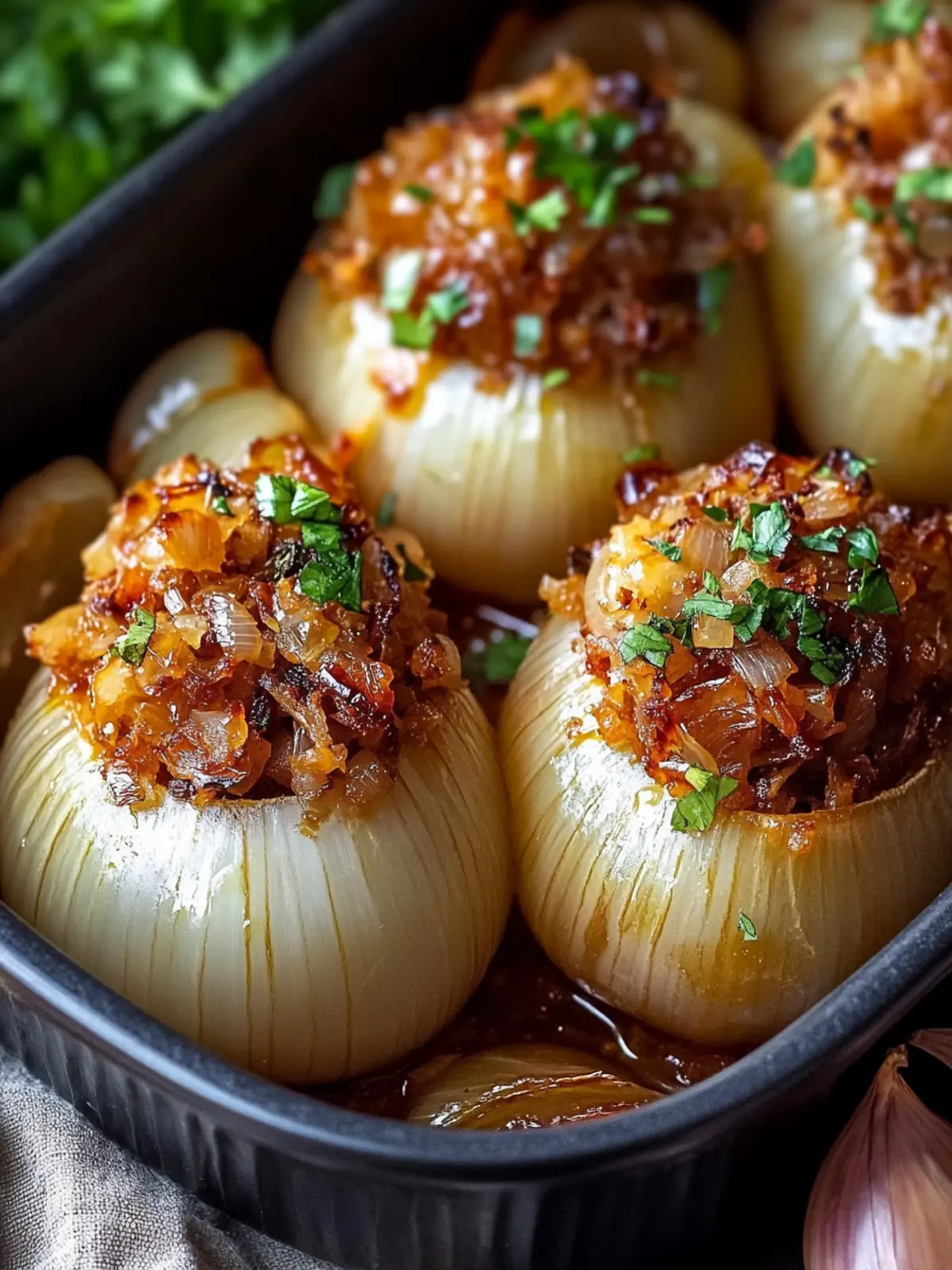
Middle Eastern Stuffed Onions Recipe FAQs
What type of onions should I use for Middle Eastern Stuffed Onions?
I recommend using large, firm yellow onions as they provide the perfect structure and natural sweetness for stuffing. Look for onions that are free of dark spots or blemishes to ensure the best results.
How should I store leftovers from the Middle Eastern Stuffed Onions?
Store any leftovers in an airtight container in the refrigerator for up to 3 days. When you’re ready to enjoy them again, simply reheat in the microwave or oven until warmed through.
Can I freeze Middle Eastern Stuffed Onions?
Absolutely! To freeze them, wrap individual stuffed onions tightly in plastic wrap, then place them in a heavy-duty freezer bag or container. They can be frozen for up to 2 months. When you’re ready to eat, thaw them overnight in the fridge before reheating.
What if my stuffing mixture is too wet?
If you find your stuffing mixture is too wet, try adding a little more rice or even breadcrumbs to absorb the moisture. Ensure you mix thoroughly and taste to adjust seasonings accordingly. A consistencies check is crucial for that perfect bite!
Are these stuffed onions suitable for a gluten-free diet?
Yes! You can easily make these Middle Eastern Stuffed Onions gluten-free by swapping the Cal-Rose or sushi rice with quinoa or another gluten-free grain. It’s a fantastic way to maintain flavor while catering to dietary needs.
Can I customize the filling for my Middle Eastern Stuffed Onions?
The more the merrier! Feel free to experiment with the filling by adding diced bell peppers, or even swapping herbs. Other delicious options include adding nuts for texture or soaking dried fruits to introduce a sweet contrast to the savory flavors. Enjoy creating your unique twist!
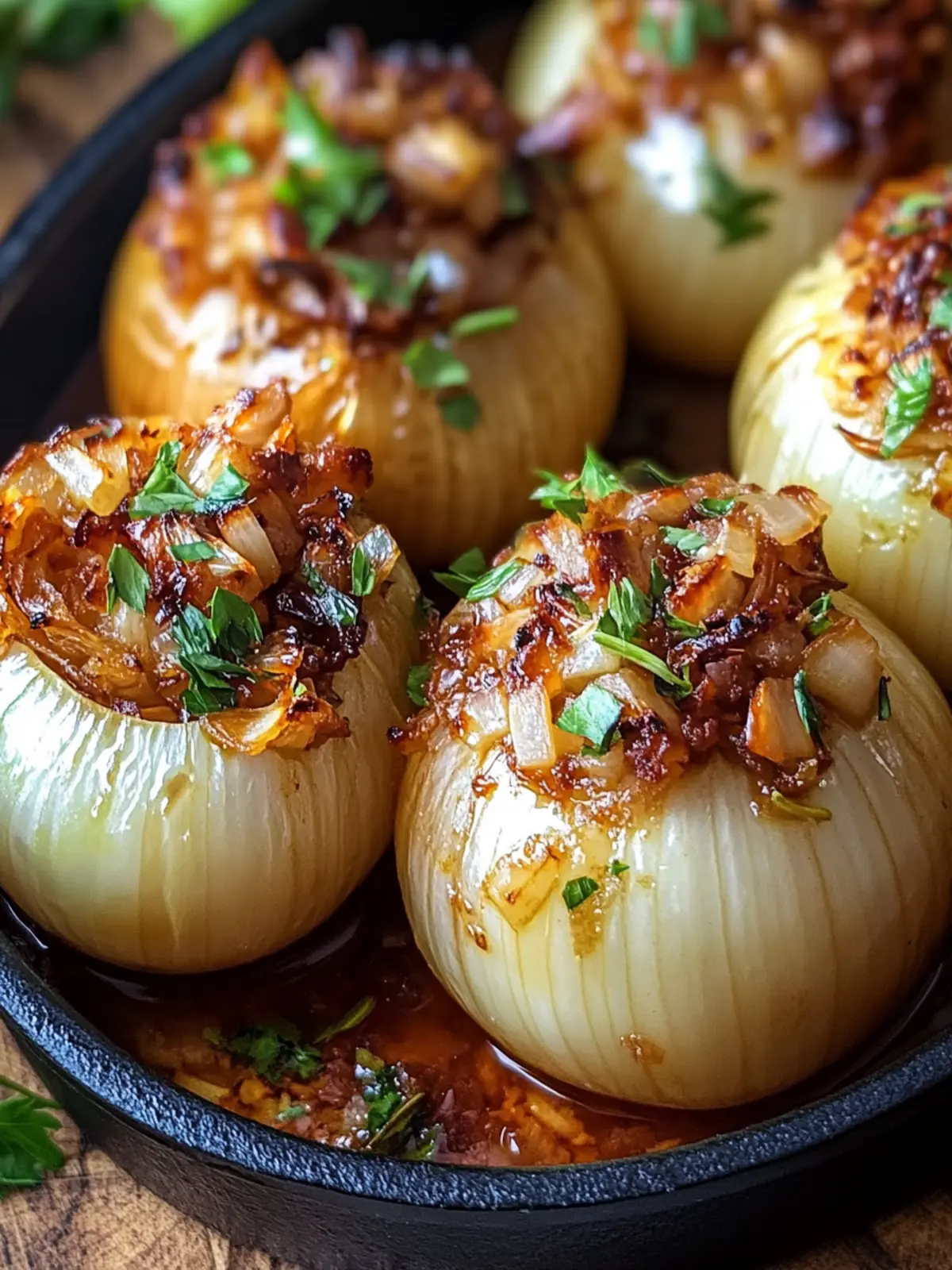
Middle Eastern Stuffed Onions: Vegan Delight You’ll Crave
Ingredients
Equipment
Method
- Cut the ends off the yellow onions, peel them, and slice deep wedges into the side to create a pocket for the filling. Microwave the onions in hot water for 7-8 minutes until softened, then let them cool.
- Rinse the Cal-Rose or sushi rice until the water runs clear, then soak for 15 minutes before draining. In a bowl, mix the drained rice with minced garlic, fresh parsley, dried mint, seven spices, olive oil, and pomegranate molasses until well combined.
- Gently separate the layers of each onion, filling each layer tightly with about 2 tablespoons of the rice mixture.
- Place the stuffed onions upright in a baking dish. Combine the tomato sauce ingredients, then pour the mixture over the onions. Cover with parchment paper and foil, and bake at 375°F (190°C) for 1 hour and 15 minutes until tender.
- Allow the stuffed onions to cool for 10 minutes before serving. They are best enjoyed warm, accompanied by a refreshing salad or yogurt.