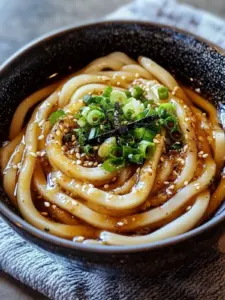

Picture this: a cozy evening at home, the soothing sound of noodles boiling, and an enticing aroma wafting from your kitchen. Udon noodles, with their delightful chewiness, are a canvas for flavors waiting to be explored. I’ve crafted five standout sauces that will transform your udon experience from simple to sensational in no time. Whether you’re craving a rich, savory mix or a zesty, nutty infusion, these sauces cater to every palate and dietary preference, including easy vegan swaps and low-sodium options.
I love making these sauces ahead of time, allowing the flavors to meld beautifully, perfect for busy weeknights or for impressing friends at casual get-togethers. With just a few simple ingredients and minimal prep, you can elevate your udon noodles into a dish that could rival any takeout. Let’s dive into these easy homemade sauces that will not only satisfy your cravings but also reinvigorate your love for home-cooked meals!
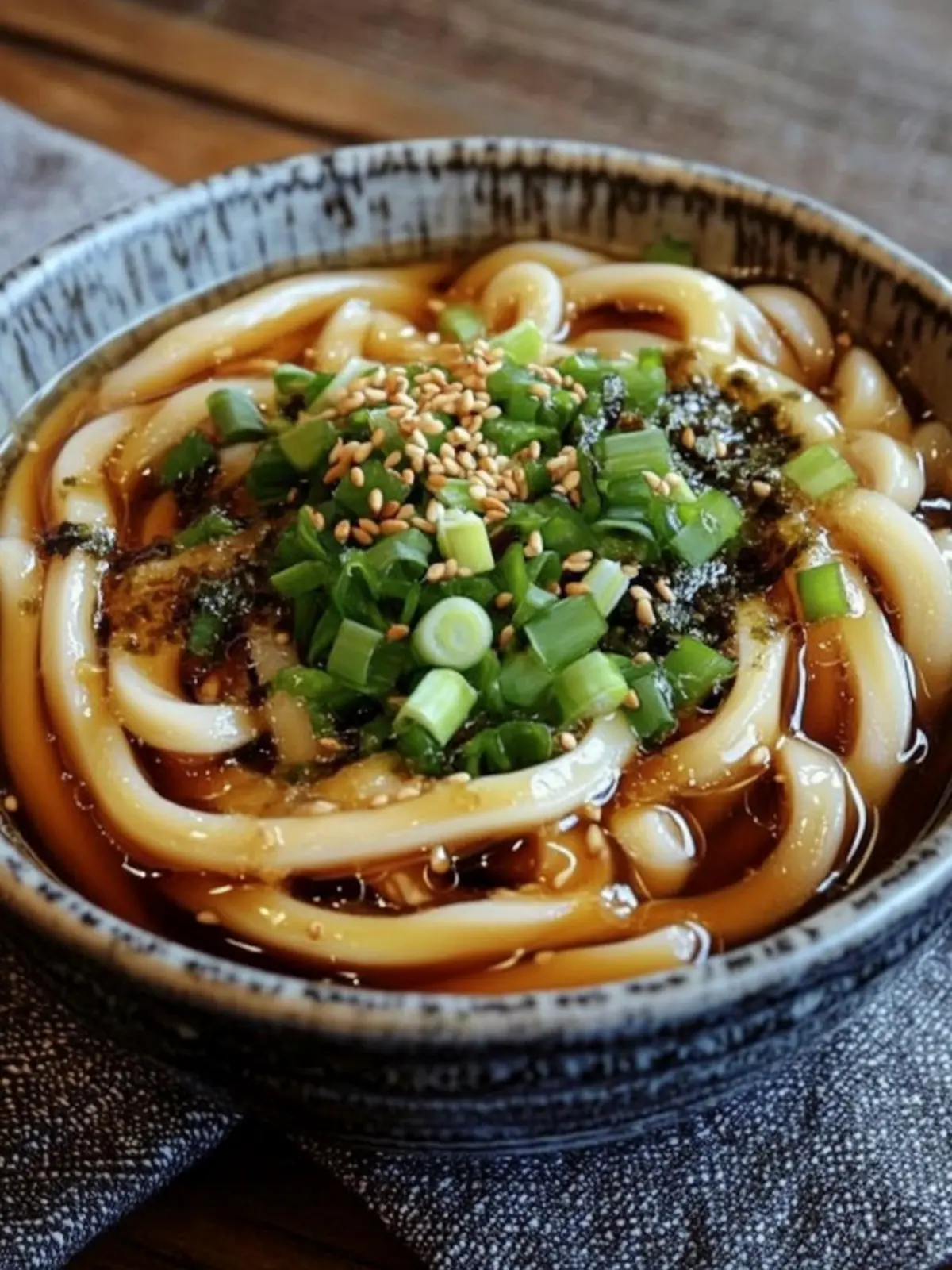
Why are The Best Sauces for Udon Noodles a must-try?
Flavorful Variety: These five sauces cater to all taste buds, ensuring everyone finds their perfect match.
Quick Preparation: Most can be whipped up in under 10 minutes, making them ideal for busy nights.
Healthy Twist: With many options for low-sodium and vegan adaptations, you don’t have to compromise on health.
Impressive Appeal: Serve these sauces at your next gathering to wow friends and family with your culinary prowess!
Meal Prep Friendly: Make a batch ahead of time for easy weeknight meals; they store well and taste even better after marinating!
Customizable: Feel free to swap or adjust ingredients, which means you can create a unique flavor each time.
The Best Sauces for Udon Noodles Ingredients
For the Soy Garlic Sauce
- Soy Sauce – Base flavor and saltiness; substitute with tamari or gluten-free soy sauce for a gluten-free option.
- Brown Sugar – Adds sweetness to balance saltiness; can substitute with honey for a different sweetness.
- Garlic – Provides aromatic depth; fresh cloves are best, but garlic powder works in a pinch.
- Ginger – Adds warmth and spiciness; freshly grated is preferred, but powdered works too.
- Rice Vinegar – Offers mild acidity for balance; apple cider vinegar can be used if needed.
For the Spicy Sesame Chili Oil
- Sesame Oil – Adds nuttiness and richness; use toasted sesame oil for a more intense flavor.
- Chili Flakes – Imparts heat; adjust based on your spice tolerance or omit for a milder sauce.
For the Creamy Peanut Sauce
- Peanut Butter – Provides a creamy texture; almond butter can be used for a different flavor profile.
- Honey – Sweetens the sauce; maple syrup is a vegan option.
For the Miso Sauce
- Miso Paste – Deepens umami flavor; use white miso for a milder taste, red miso is more intense.
- Water – Helps dissolve the miso for a smoother consistency; can adjust based on desired thickness.
For the Ponzu Sauce
- Citrus Juice – Brightens flavors; lemon or lime juice works well, yuzu adds an authentic twist.
- Sugar – Balances acidity; can reduce or substitute with a sweetener of choice.
These are just the core ingredients you’ll need to whip up the best sauces for udon noodles, perfect for a cozy night in or when entertaining friends! Each sauce is customizable, making it easy to cater to various tastes and dietary needs. Happy cooking!
How to Make The Best Sauces for Udon Noodles
-
Combine Ingredients: In a saucepan, blend soy sauce, brown sugar, minced garlic, ginger, and rice vinegar for the Soy Garlic Sauce. Heat on medium for 3–4 minutes until slightly thickened and fragrant.
-
Mix Together: For the Spicy Sesame Chili Oil, whisk together soy sauce, sesame oil, chili flakes, rice vinegar, and brown sugar in a mixing bowl. Stir in chopped scallions and sesame seeds until well combined.
-
Whisk Smoothly: For the Creamy Peanut Sauce, whisk peanut butter, soy sauce, honey, rice vinegar, crushed garlic, and warm water in a bowl until entirely smooth and creamy.
-
Dissolve Miso: Prepare the Miso Sauce by dissolving white miso paste in a saucepan with soy sauce, ginger, and water. Simmer gently for about 5 minutes, finishing it with a drizzle of sesame oil.
-
Chill and Serve: For the Ponzu Sauce, mix soy sauce with citrus juice, rice vinegar, and sugar in a bowl. Chill it in the refrigerator before serving to allow the flavors to meld beautifully.
Optional: Garnish with chopped scallions or a sprinkle of sesame seeds for added flavor and presentation.
Exact quantities are listed in the recipe card below.
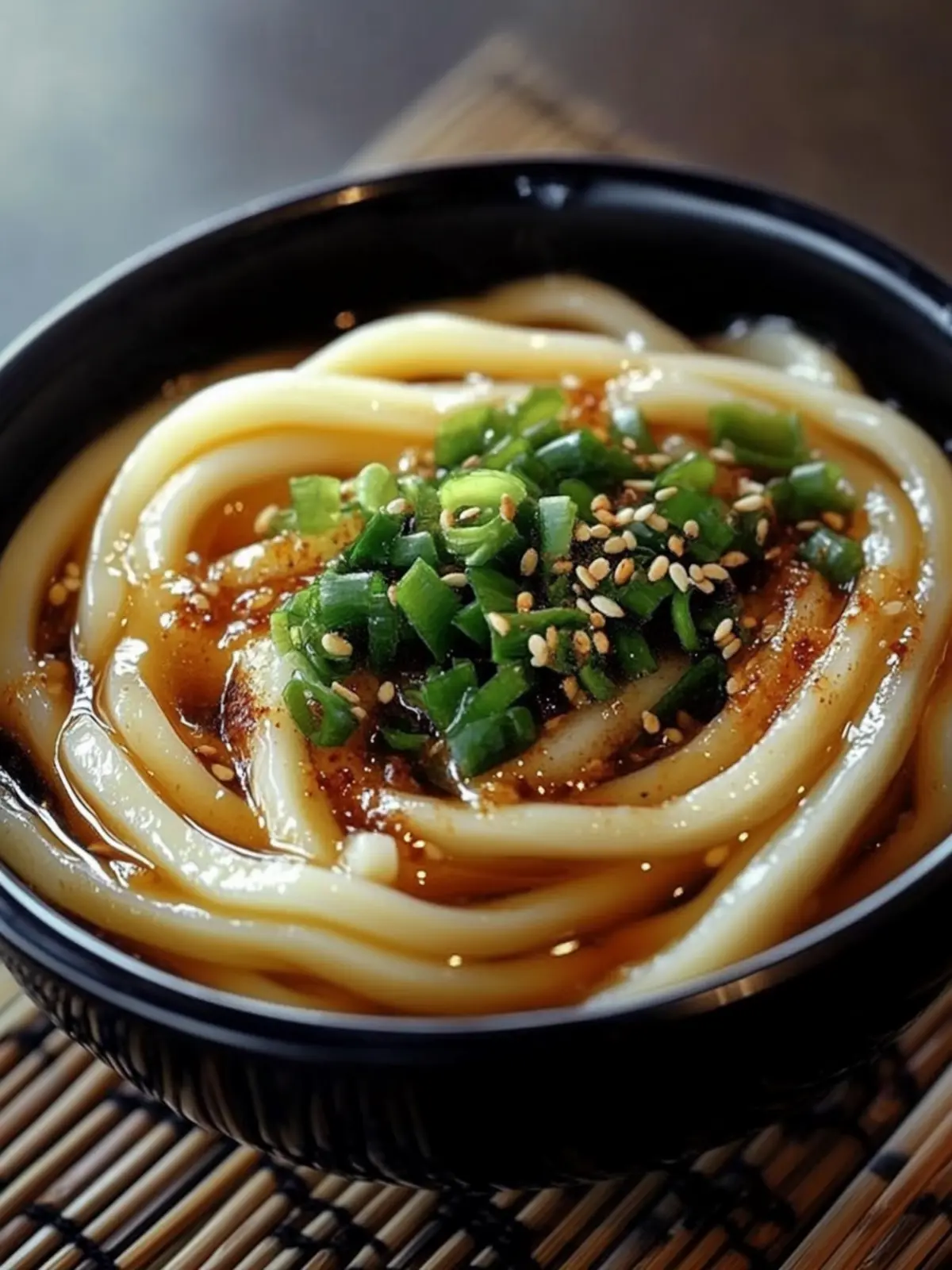
What to Serve with The Best Sauces for Udon Noodles?
Creating a beautifully balanced meal with udon is an art that combines myriad tastes and textures. Let’s complement those delightful sauces to elevate your table.
-
Crispy Tempura Vegetables: The light crunch of tempura adds a satisfying contrast to the chewy udon noodles. Dipped in your favorite sauce, it’s a match made in heaven.
-
Seared Edamame: These young soybeans offer a fresh, slightly nutty flavor, working harmoniously to balance the rich sauces, making for a delightful appetizer or side.
-
Garlic Bok Choy: The tender, leafy greens sautéed in a hint of garlic bring a delightful bitterness that complements the savory notes of your sauces beautifully, ensuring a colorful plate.
-
Spicy Tuna Rolls: These sushi rolls introduce a playful spice and creaminess that dance alongside the umami of udon sauces, creating an enticing fusion of flavors on your dinner table.
-
Chilled Soba Noodles: Offering a different texture and earthiness, soba pairs wonderfully with the umami flavors, perfect for those wanting a lighter or refreshing addition to the meal.
-
Pickled Cucumbers: Their bright vinegar crunch acts as a palate cleanser between bites, refreshing your taste buds and enhancing the overall dining experience.
-
Green Tea: A warm cup of green tea serves as the perfect drink, complementing the rich flavors of your udon sauces while providing a soothing finish to your meal.
-
Fruit Mochi: For dessert, a delightful bite of mochi, filled with sweet fruit, rounds off the meal beautifully, adding a touch of sweetness to contrast the hearty flavors of udon.
With these pairings, you’re all set for an unforgettable udon experience that speaks to your taste buds and warms your heart!
Sauce Variations for Udon Noodles
Dive into a world of flavors with these adaptable sauce variations, perfect for personalizing your udon experience!
- Vegan Swap: Replace honey with maple syrup or agave for a completely plant-based option without compromising sweetness.
- Lower Sodium: Use low-sodium soy sauce or tamari to keep the flavors rich while cutting down on salt.
- Spicy Kick: Add a teaspoon of Sriracha or a fresh chopped chili to your sauces if you crave an extra layer of heat that will elevate your dish.
- Nut-Free Option: Replace peanut butter in the Creamy Peanut Sauce with sunflower seed butter for a delightful twist that’s also school-friendly!
- Umami Boost: Stir in a spoonful of nutritional yeast to any sauce for a cheesy, nutty flavor that enhances the umami profile without dairy.
- Citrus Burst: Swap out regular citrus juice in the Ponzu Sauce with yuzu or mandarin for a vibrant, aromatic twist that brightens every bite.
- Herb Infusion: Experiment by adding fresh herbs, like cilantro or basil, to the sauces for a pop of freshness and visual appeal.
- Ginger-Infused: For an aromatic kick, try steeping fresh ginger in warm water and whisking that into your sauces; it adds a delightful zing!
Feel free to mix and match these variations to create a sauce that perfectly suits your taste and dietary needs!
Helpful Tricks for The Best Sauces for Udon Noodles
-
Prep Ahead: Make sauces ahead of time and store them in airtight containers in the fridge for up to 5 days. This enhances their flavors!
-
Cool It Down: For cold noodle dishes, ensure your sauces are cooled to room temperature before tossing with udon to maintain texture.
-
Taste as You Go: When adjusting flavors like sweetness or acidity, do it gradually. This way, you can achieve the perfect balance without overpowering the dish.
-
Adjust Heat: If you’re sensitive to spice, start with a small amount of chili flakes in the Spicy Sesame Chili Oil and increase as needed.
-
Mix It Up: Experiment with different ingredients or try adding fresh herbs to customize each sauce. This keeps your udon experience exciting!
-
Serving Suggestions: Toss freshly cooked udon with the sauce right before serving and top with scallions, sesame seeds, or a soft-boiled egg for an elevated meal.
Make Ahead Options
These sauces are perfect for meal prep enthusiasts! You can make The Best Sauces for Udon Noodles up to 5 days in advance, allowing the flavors to deepen and meld beautifully. To prep ahead, simply prepare each sauce and transfer them into airtight containers for refrigeration. For the best results, ensure they cool to room temperature before sealing, which helps maintain quality. When you’re ready to serve, just give them a good stir to recombine the ingredients. Whether you’re tossing them with freshly cooked udon noodles or serving them as dips, these sauces will remain just as delicious, making your busy weeknights a breeze!
How to Store and Freeze The Best Sauces for Udon Noodles
Fridge: Store your homemade sauces in airtight containers in the refrigerator for up to 5 days. This helps preserve their vibrant flavors and freshness.
Freezer: For longer storage, freeze the sauces in individual portions using ice cube trays. They can last in the freezer for up to 3 months, perfect for quick meals later.
Reheating: When ready to use the frozen sauces, thaw them in the fridge overnight or reheat gently on the stove. Stir well before serving to ensure even consistency.
Room Temperature: If serving sauces immediately, they can sit at room temperature for up to 1 hour before use, especially if you’re tossing them with freshly cooked udon noodles.
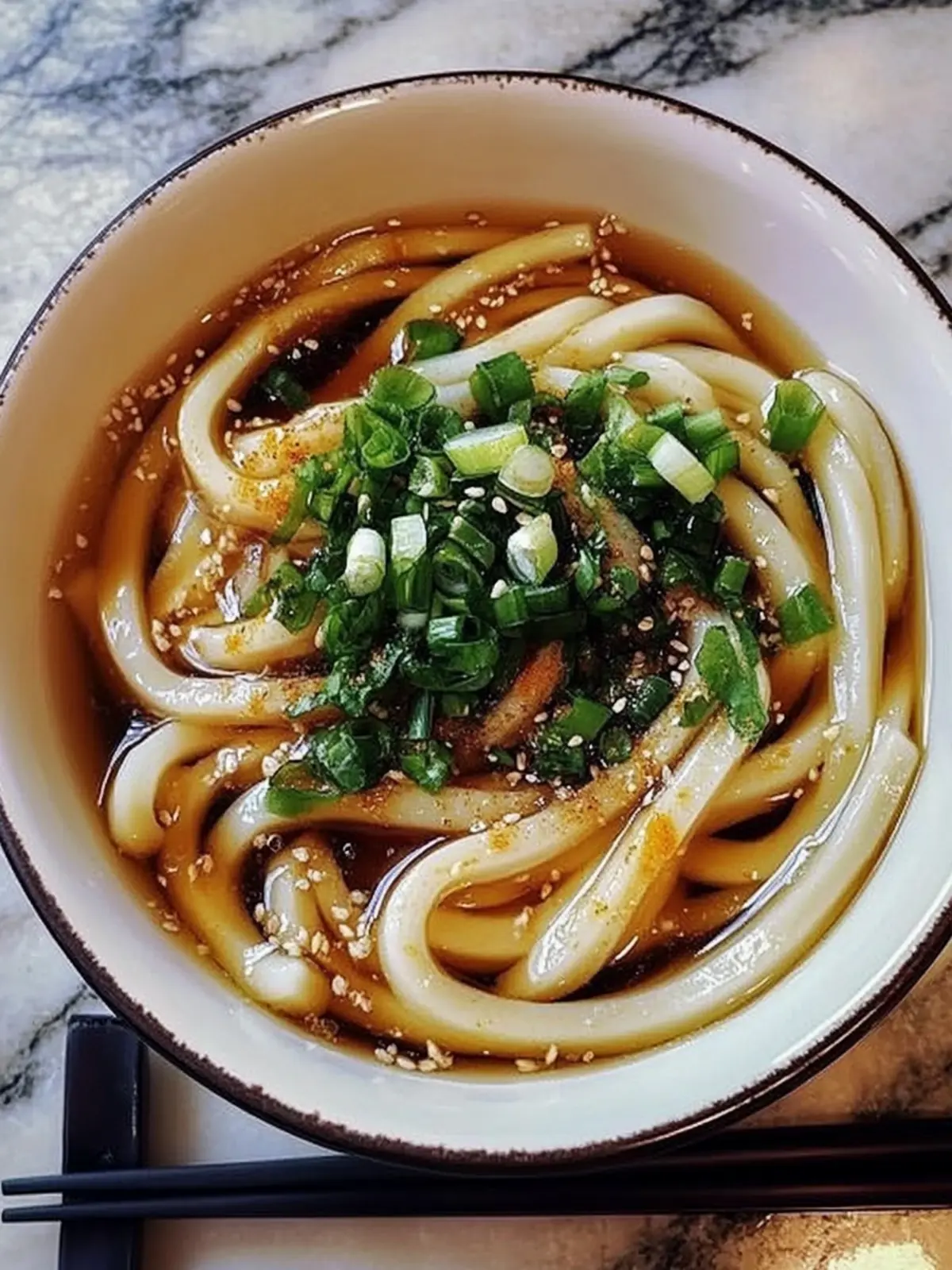
The Best Sauces for Udon Noodles Recipe FAQs
What type of soy sauce should I use for the sauces?
Absolutely! For the best flavor, I recommend using regular soy sauce. However, if you’re looking for a gluten-free option, tamari or gluten-free soy sauce works just as well without sacrificing taste.
How should I store the sauces after making them?
Store your homemade sauces in airtight containers in the refrigerator for up to 5 days. This ensures they stay fresh and flavorful. Be sure to label the containers if you make different varieties!
Can I freeze these sauces for later use?
Yes, you can freeze the sauces! Pour individual portions into ice cube trays and freeze for up to 3 months. When you’re ready to use them, simply thaw in the fridge overnight or reheat gently on the stove to restore consistency.
What can I do if my sauce is too salty or sweet?
Very! If your sauce ends up too salty, try adding a small amount of water or unsalted stock to dilute it. For sweetness, incrementally add a little vinegar or lemon juice until balanced. Taste as you go for the best results!
Are these sauces suitable for vegans?
Definitely! Most of the sauces can be easily adapted for a vegan lifestyle. Use maple syrup instead of honey for the peanut sauce and ensure that your soy sauce or miso is vegan-friendly. You can enjoy these delightful sauces while adhering to your dietary preferences!
How long can I keep the sauces at room temperature before serving?
Good question! If serving immediately, your sauces can sit at room temperature for up to 1 hour. This is especially helpful if you’re preparing a cold noodle dish and want to let them reach the perfect temperature before tossing with udon noodles.
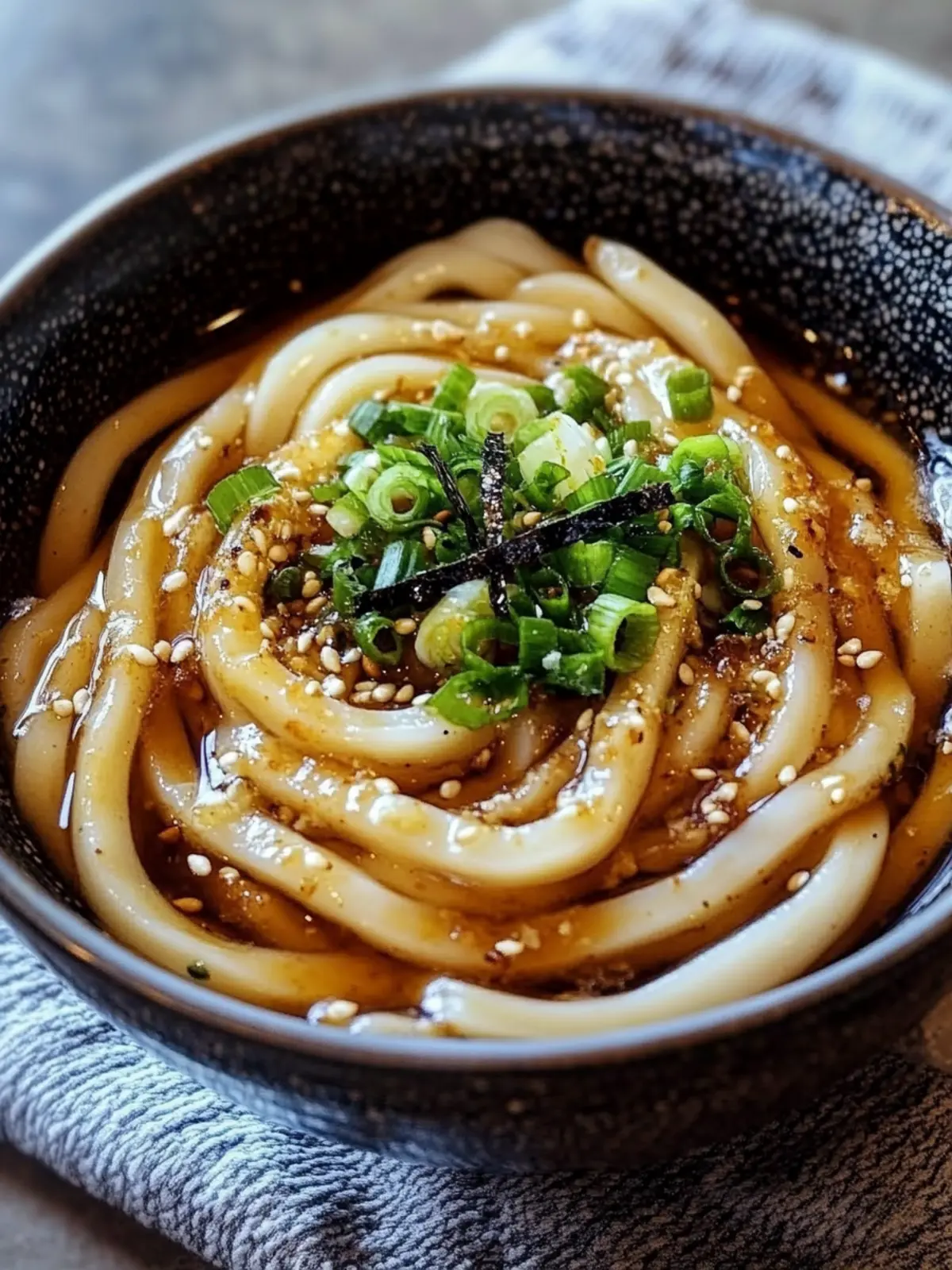
The Best Sauces for Udon Noodles: 5 Irresistible Recipes!
Ingredients
Equipment
Method
- Combine ingredients for the Soy Garlic Sauce in a saucepan, heat on medium for 3–4 minutes until thickened.

- Mix together ingredients for Spicy Sesame Chili Oil in a mixing bowl and stir in chopped scallions and sesame seeds.
- Whisk peanut butter, soy sauce, honey, rice vinegar, crushed garlic, and warm water for the Creamy Peanut Sauce.
- Dissolve miso paste in a saucepan with soy sauce, ginger, and water for the Miso Sauce, simmer for 5 minutes.
- Mix soy sauce with citrus juice, rice vinegar, and sugar for Ponzu Sauce, chill before serving.